China Top Pressure Car Wash Machine Manufacturers for Buyers
A Pressure Car Wash Machine can look impressive in a catalogue, yet daily performance depends on details buyers can test: stable pressure, suitable flow, durable seals, and controls that operators can use with wet hands. In this guide, we compare leading Chinese manufacturers through practical questions, not glossy claims. Can the pump sustain repeated wash cycles? Are hoses easy to replace? Does the supplier explain spare-part availability and maintenance intervals clearly? Small details matter. A leaking fitting beside a busy wash bay can turn a promising purchase into lost operating time.
As pressure-washing equipment engineer Elena Morris puts it, “Judge a machine by its working cycle, service access, and parts support—not by peak pressure alone.” Buyers should also match machine capacity to the vehicle mix, water supply, and expected daily workload. A compact unit may suit a small detailing shop, while a high-throughput site may need stronger flow and more robust cooling. Ask manufacturers for operating specifications, warranty terms, test records, and clear installation guidance. Compare responses carefully. Some product pages leave important questions unanswered; that deserves a second look.
The manufacturers featured here are assessed on product range, build choices, customization, communication, and after-sales support. We also consider practical evidence, such as pump configuration, nozzle options, and access to replacement components. No single supplier fits every buyer. That is worth remembering. Use this overview to narrow the field, then verify claims directly before ordering a Pressure Car Wash Machine for your site.
China’s Pressure Car Wash Machine Manufacturers: Main Product Categories
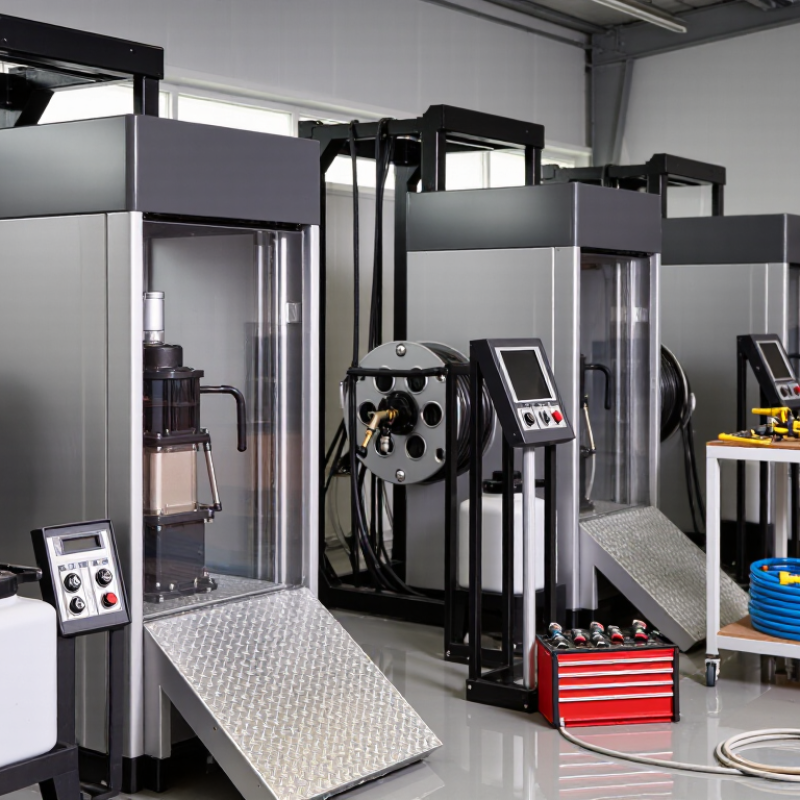
China’s pressure car wash machine manufacturers generally offer portable, fixed, and automated equipment for different washing needs. Portable pressure washers are compact and can be moved between service bays. They are useful for rinsing wheel arches, floor mats, and muddy body panels. Cold-water models handle routine dirt, while hot-water versions can loosen oily residue more quickly. Details matter. Buyers should check rated pressure, water flow, motor type, and hose length together, rather than choosing by pressure alone.
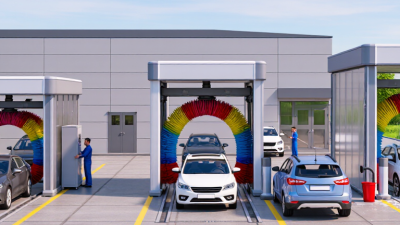
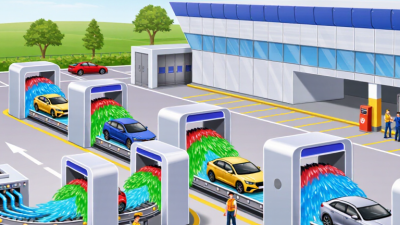
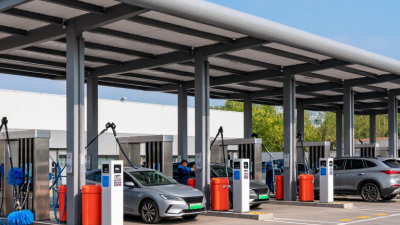
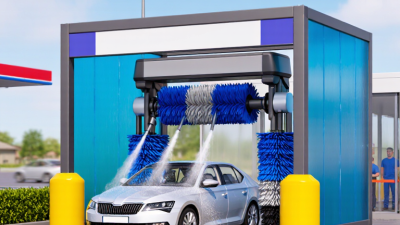
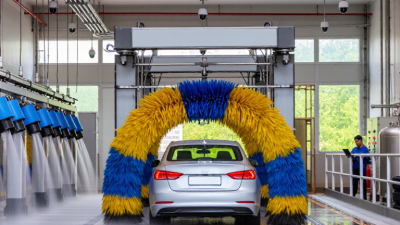
Fixed commercial machines are designed for repeated use in workshops or dedicated wash bays. Some include pumps, filters, and control panels in one cabinet; others connect to separately installed water systems. Self-service units may provide timed washing and several spray settings, while automatic gantry systems use high-pressure nozzles to clean vehicles with less manual handling. Site conditions change the choice. Drainage, water supply, available space, and expected daily vehicle volume all affect installation. Ask manufacturers for duty-cycle information and maintenance requirements. A higher pressure rating does not automatically mean faster cleaning, and product descriptions may leave out useful operating details. That is worth checking before comparing quotations.
China’s Pressure Car Wash Machine Manufacturers: Main Product Categories
Indicative operating-pressure ranges by pressure-washer category. Actual specifications vary by model and manufacturer.
Commercial and heavy-duty equipment generally operates at higher pressures. Choose a machine based on the vehicle, cleaning task, and required flow rate—not pressure alone.
How High-Pressure Washers Work: Pump, Motor, Hose, and Spray Gun
A high-pressure car-wash machine turns electrical energy into a focused water jet. The motor rotates the pump, which draws in water and raises its pressure. The pump’s valves and seals help maintain that pressure; worn parts can cause pulsing or leaks. Small details matter.
The hose carries pressurized water to the spray gun. Its length, diameter, and fittings affect flow, while the gun’s trigger controls when water is released. At the nozzle, the opening shapes the spray: a narrow jet concentrates force, while a wider fan covers more surface. Pressure alone does not tell the whole story. Flow rate and nozzle choice also affect cleaning performance.
The U.S. Department of Energy’s Improving Pumping System Performance sourcebook reports that pumping systems account for nearly 20% of global electricity demand. This figure covers pumping broadly, not car-wash machines specifically, so it should not be used as a washer-level energy estimate.
For buyers, it still highlights why matching motor and pump capacity to actual use matters. A pressure gauge and a check for hose leaks offer practical clues during routine operation. A useful check, though easy to overlook.
Buyer Benchmarks: 100–200 bar Pressure and 8–15 L/min Flow
For China Top Pressure Car Wash Machine Manufacturers for Buyers, use 100–200 bar and 8–15 L/min as a screening range, not a universal specification. The pressure band is roughly 1,450–2,900 psi. Flow matters just as much: 8–15 L/min moves dirt and rinses detergent, while higher pressure alone may only increase splash and surface risk. Small details count.
EPA’s WaterSense at Work guidance reports that conveyor car washes can use about 15–85 gallons of water per vehicle, depending on equipment and operating practices. That wide range shows why buyers should ask about water recovery, nozzle selection, and actual wash-cycle settings—not just pump ratings. A machine delivering 12 L/min may suit routine vehicle cleaning, but site water supply and reclaim capacity can change the practical choice.
Check whether listed pressure is maximum pump pressure or pressure at the working nozzle. Hose length, nozzle size, and fittings can reduce delivered pressure. Ask suppliers for measured pressure and flow under operating conditions, plus duty-cycle and service data. I would not treat the midpoint as a promise. Paint condition and washing distance still matter; test a fan spray on a small area before routine use.
Safety and Compliance: IEC 60335-2-79 for High-Pressure Cleaners
When comparing pressure car wash machine manufacturers in China, ask how each model is assessed against IEC 60335-2-79. This standard covers particular safety requirements for high-pressure cleaners and is used with IEC 60335-1. A certificate alone may not tell you which model, configuration, or edition was tested. Check the report, rated voltage, intended use, and listed accessories.
Look closely at practical safety details. A trigger gun should return reliably, while the hose and fittings must tolerate the stated working pressure. Ask about protection against overheating, water ingress, electric shock, and unintended pressure release. Test records should identify the sample and test conditions. Useful evidence. Also request clear operating instructions and maintenance guidance, including hose inspection intervals and safe shutdown steps.
Compliance is not a substitute for careful use, and requirements can vary by market. Confirm the applicable edition and local acceptance with a qualified testing body or buyer’s compliance team. During factory evaluation, observe a unit running: check for leaks, unusual vibration, hot surfaces, and confusing controls. Small details matter. I would still ask how production units are kept consistent with tested samples; paperwork can look tidy while that answer remains vague.
Comparing Chinese Suppliers: Capacity, Certifications, Warranty, and Service
China Top Pressure Car Wash Machine Manufacturers for Buyers
Supplier comparisons should go beyond quoted price. Grand View Research valued the global car wash services market at USD 31.1 billion in 2023 and projected 5.7% annual growth through 2030. This market estimate is not a machine-sales forecast, but it signals continuing demand for dependable washing equipment. Ask each supplier for hourly vehicle capacity, operating pressure, water consumption, and test results under comparable conditions. A glossy catalog is not proof of sustained output.
Check certifications by requesting certificate numbers, issuing bodies, and current validity dates. Confirm that the listed model matches the certificate. Compare warranty terms for pumps, motors, control systems, and wear parts separately; “one-year warranty” can hide important exclusions. Also ask for spare-part lead times, remote troubleshooting hours, and technician availability in your region. A supplier may have impressive factory capacity, yet slow parts support can still stop a wash bay. That gap is easy to miss.
Tips: Request a live demonstration with a written test sheet. Record pressure, cycle time, and visible finish. Ask for two customer references using similar equipment. Then check the details yourself; one point may still be unclear.