Choosing among the 7 Best Automatic Car Washing Machines for Businesses starts with the work your site actually handles. A busy express wash faces different demands than a dealership or a small fleet yard. Count peak-hour vehicles. Check available space, water use, staffing needs, and service access. Then compare tunnel, in-bay automatic, and rollover systems against those conditions.
Car-wash equipment consultant Mark Ellison puts the decision this way: “The best machine is the one that cleans reliably at your real operating speed.” A spotless demo is useful. A wet Tuesday with a queue at the entrance is more revealing. Look closely at wash quality, drying performance, cycle time, chemical controls, and how quickly technicians can reach key components. Also ask what routine maintenance looks like after the first year. That question is easy to skip.
This guide reviews seven Automatic Car Washing Machine options for commercial use, with attention to operating needs rather than headline features alone. It considers throughput, footprint, installation demands, support, and likely ownership costs. No single model fits every business. Even a strong system can disappoint when its capacity, site layout, or maintenance plan is mismatched. The comparisons should help owners narrow the field, though local conditions still deserve a careful check.
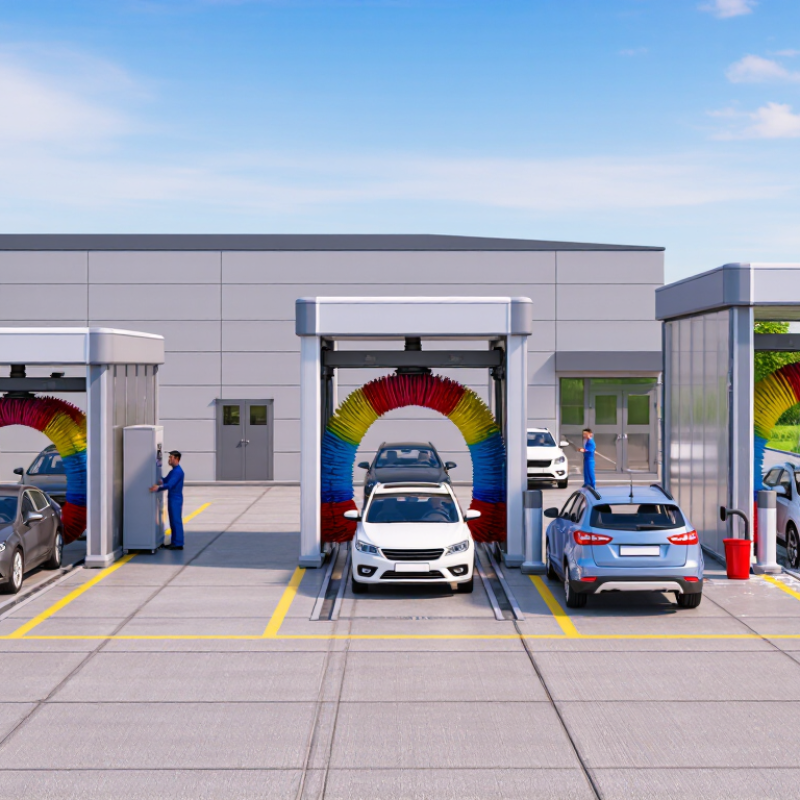
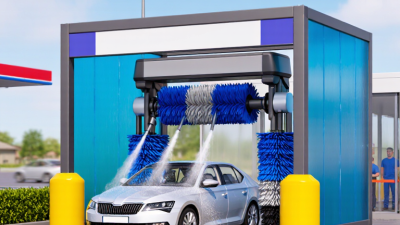
Automatic car washing machines turn a repeatable service into a managed workflow. A driver enters the wash bay, selects a service, and follows clear signals through the cycle. Depending on the equipment, the system may apply pre-soak, soap, high-pressure rinses, soft brushes, or drying air. Sensors help position the vehicle and control moving parts. A typical wash can take only a few minutes, though vehicle size and service options affect the timing. That matters.
For a business, predictable cycles make it easier to estimate capacity, staffing, and customer wait times. Employees can spend more time greeting customers, maintaining the site, or handling unusual issues instead of washing every vehicle by hand. Payment controls and cycle settings may also simplify daily operations. Some systems include water-recovery equipment, which can reduce fresh-water use when properly installed and maintained. The savings depend on local conditions and the design of the site.
Automation is not magic. Brushes, nozzles, sensors, and dryers need regular inspection; a neglected machine can create delays or uneven results. That part gets overlooked. Owners should consider available space, expected traffic, utility requirements, service access, and the types of vehicles customers bring in. A fast machine may look attractive on paper, but a poor fit for the site can leave staff troubleshooting during the busiest hours.
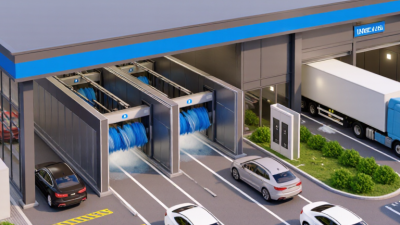
A commercial automatic car wash turns a vehicle’s position into a timed cleaning cycle. In a rollover system, the car stays still while an overhead gantry travels around it. In a tunnel, a conveyor moves the car past fixed wash stations. Entry sensors help confirm vehicle size and position before equipment starts. Small details matter.
The cycle usually begins with a water rinse that loosens grit. Detergent is applied, then rotating cloth brushes or high-pressure jets remove dirt from the body. Touch-free systems rely more on water pressure and cleaning chemicals; they may struggle with stubborn road film. Wheel sprays target lower panels, where grime collects. Some sites reuse filtered rinse water for early stages, then use fresh water for the final rinse.
A controller coordinates pumps, brushes, conveyors, and dryers, while safety sensors can stop equipment if a vehicle shifts or an obstruction appears. Operators still need to check nozzles, filters, and brush material regularly. A blocked nozzle can leave a dull stripe across a door. Dryers remove much of the surface water, but mirrors and trim may remain damp. Not every cycle is perfect. A quick visual inspection helps catch what the sensors cannot.
Choosing a business car wash machine starts with the vehicles you actually serve. Measure the longest vans, widest mirrors, and tallest roof racks before comparing equipment. A compact setup may suit a small lot, but it can create bottlenecks during peak hours. Ask suppliers for realistic wash-cycle times, not just ideal figures. Then estimate how many vehicles must move through during your busiest hour.
Check water use, drainage, and available utilities at the installation site. Machines with water-recovery systems may reduce fresh-water demand, but filters and tanks need regular attention. Small details matter. Look at brush or touchless options, drying performance, and how well the system handles road film in your local climate. Request a demonstration using a vehicle similar to your customers’ cars. One clean demo is not proof of consistent results.
Reliability depends on more than the machine itself. Review maintenance intervals, parts availability, staff training, and the response time for technical support. Compare total operating costs, including detergents, energy, water, and routine service. A low purchase price can be misleading. I would still leave room in the budget for unexpected repairs; equipment rarely follows a perfect schedule. Choose clear safety controls and simple daily checks, so operators can spot leaks, unusual noise, or worn components before a busy shift turns into downtime.
For businesses, an automatic car wash is more than a machine: it shapes queue times, labor needs, and customer experience. The right setup depends on available space, vehicle volume, water supply, and the services customers expect. A small forecourt has different needs from a busy fleet depot.
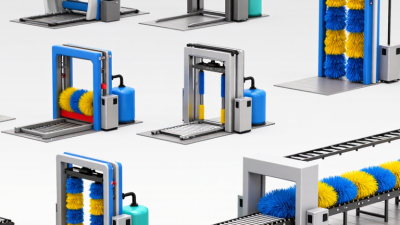
Seven common configurations offer different trade-offs.
A wet concrete floor, tight entrance, or short drying area can slow operations, even with a fast machine. Ask suppliers for realistic cars-per-hour figures under your expected wash package, not just ideal conditions. Also compare maintenance access, detergent use, water-recovery equipment, and staff training needs.
Space matters. No configuration suits every site; a high-capacity tunnel may sit underused where customer demand is inconsistent. A careful site assessment can prevent an expensive mismatch.
Installing an automatic car washing machine starts with the site, not the machine. Confirm queue space, drainage, water supply, electrical capacity, and technician access before delivery. The concrete pad should be level and match the equipment drawings. Leave room for service panels and waiting vehicles. Small omissions become expensive later. One awkward turn can slow every car.
Tips: Mark the vehicle path with cones before opening. Run test cycles with different vehicle sizes. Record cycle times, water use, and sensor stops. Keep the emergency stop visible, and train each shift lead to use it. Paper logs may feel old-fashioned, but they can reveal patterns a dashboard misses.
Daily operations depend on consistent checks. At opening, inspect brushes or cloth, spray nozzles, hoses, and floor drains. Clear grit and debris; they can scratch paint or block drainage. Watch early washes for uneven coverage, unusual vibration, or leaks. Follow the equipment manual for cleaning agents and operating limits. Schedule preventive maintenance based on measured use, not guesswork alone. Staff may skip records on busy days. That is a real weakness, so assign one person per shift to log faults and repairs. Do not restart equipment until a fault has been assessed.
| Machine type | Typical throughput | Best suited for | Installation considerations | Routine maintenance | Daily operating tasks |
|---|---|---|---|---|---|
| In-bay touchless automatic | About 8–15 vehicles per hour; wash cycles commonly take 4–7 minutes. | Fuel stations, dealerships, and sites prioritizing low vehicle contact. | Requires a wash bay, drainage, water treatment, and appropriate electrical service. Confirm bay dimensions and vehicle clearance with the equipment supplier. | Inspect nozzles, chemical lines, pumps, filters, and sensors; remove mineral buildup and check water-treatment equipment. | Check the payment system and safety sensors, verify chemical levels, and test spray patterns before opening. |
| In-bay friction automatic | About 8–15 vehicles per hour, depending on cycle length and customer turnover. | Single-bay operators seeking contact washing without a conveyor tunnel. | Plan for a level bay, drainage, utility connections, and safe clearance for the vehicle and moving wash equipment. | Inspect brushes or cloth, arms, bearings, drive components, and safety devices; replace worn or damaged media. | Check wash media for debris, confirm the vehicle-positioning guide works, and keep the bay floor and entrance clear. |
| Hybrid in-bay automatic | Typically about 8–15 vehicles per hour; actual capacity depends on the selected wash sequence. | Businesses wanting selectable touchless and friction wash packages in one bay. | Needs space and utilities for both spray equipment and contact components. Confirm the site layout accommodates moving parts and maintenance access. | Maintain pumps, nozzles, sensors, and wash media; follow the service schedule for both contact and touchless systems. | Test each wash mode, check chemical delivery, and ensure customers can select packages and position vehicles correctly. |
| Compact conveyor tunnel | Approximately 20–40 vehicles per hour, depending on conveyor speed and wash package. | Small or mid-size sites needing more capacity than a single in-bay machine can provide. | Requires a tunnel building, conveyor foundation, entry and exit lanes, drainage, and space for queuing. Have a qualified designer confirm dimensions and local code requirements. | Inspect conveyor components, drives, bearings, chemical dosing, and wash media; clean screens and reclaim-water filters. | Check the conveyor and emergency stops, test the vehicle-loading process, and keep attendants available at the entrance. |
| Express exterior conveyor tunnel | Often about 40–80 vehicles per hour; achievable output varies with tunnel length, speed, and operating conditions. | High-volume sites focused on quick exterior washes and efficient vehicle flow. | Needs a longer building and sufficient queuing, stacking, and exit space. Design drainage, water reuse, electrical service, and traffic circulation before construction. | Schedule frequent conveyor and safety inspections; maintain dryers, pumps, chemical systems, and cloth or foam components. | Assign staff to guide loading, monitor vehicle spacing, manage queues, and respond to alarms or wash interruptions. |
| Full-service conveyor tunnel | Commonly about 25–50 vehicles per hour, depending on the wash and finishing services offered. | Operators combining exterior conveyor washing with interior cleaning or other finishing services. | Requires tunnel space plus room for staff, vacuums, customer circulation, and finishing areas. Plan for adequate drainage, ventilation, and safe pedestrian routes. | Maintain tunnel equipment and conveyor components, and inspect vacuums, hoses, and finishing-area tools on a set schedule. | Coordinate wash and finishing teams, restock supplies, keep work areas clear, and monitor vehicle handoffs and customer wait times. |
| Fleet or large-vehicle gantry wash | Often about 3–10 vehicles per hour; vehicle size and wash sequence have a substantial effect on cycle time. | Fleet depots, bus facilities, and commercial vehicle operators with repeatable vehicle routes. | Requires a bay sized for the largest vehicle, suitable overhead clearance, heavy-duty drainage, and verified access for the fleet. Confirm vehicle dimensions before ordering. | Inspect gantry movement, structural components, brushes or spray bars, sensors, and water-recycling equipment. | Confirm vehicle identification and positioning, clear mirrors and loose obstructions as required, and track wash cycles and equipment faults. |
Planning note: Throughput figures are indicative ranges, not guaranteed production rates. Actual capacity, installation needs, utility demand, and maintenance intervals vary by equipment configuration, site conditions, vehicle mix, and local regulations. Confirm specifications with a qualified installer and the equipment supplier.