Choosing Automatic Car Wash Equipment is a practical investment decision, not just a comparison of machine prices. The right system should fit your site, expected traffic, water supply, and staffing plan. A busy roadside location may need a different setup from a compact dealership wash bay.
A tunnel system can process vehicles continuously, while an in-bay automatic wash often suits sites with limited space. Neither option is automatically better. That matters. Compare vehicle capacity, wash quality, cycle time, maintenance access, and the availability of local technical support. Ask suppliers for clear specifications, installation requirements, and service schedules. If possible, watch the equipment operate and inspect areas that are easy to overlook, such as nozzle placement, drying performance, and control-panel access.
Think about the full operating picture. Detergent use, water management, energy consumption, and routine repairs can affect costs long after installation. Small details count. A system that appears affordable may require expensive changes to flooring, drainage, or electrical connections. Request references from operators with similar traffic levels, and verify performance claims against documented data. No equipment choice is perfect. Forecasts can be wrong, and a higher vehicle count does not always mean better returns. This guide explains the main factors to assess, helping you compare options carefully and choose equipment that suits your actual site rather than an idealized plan.
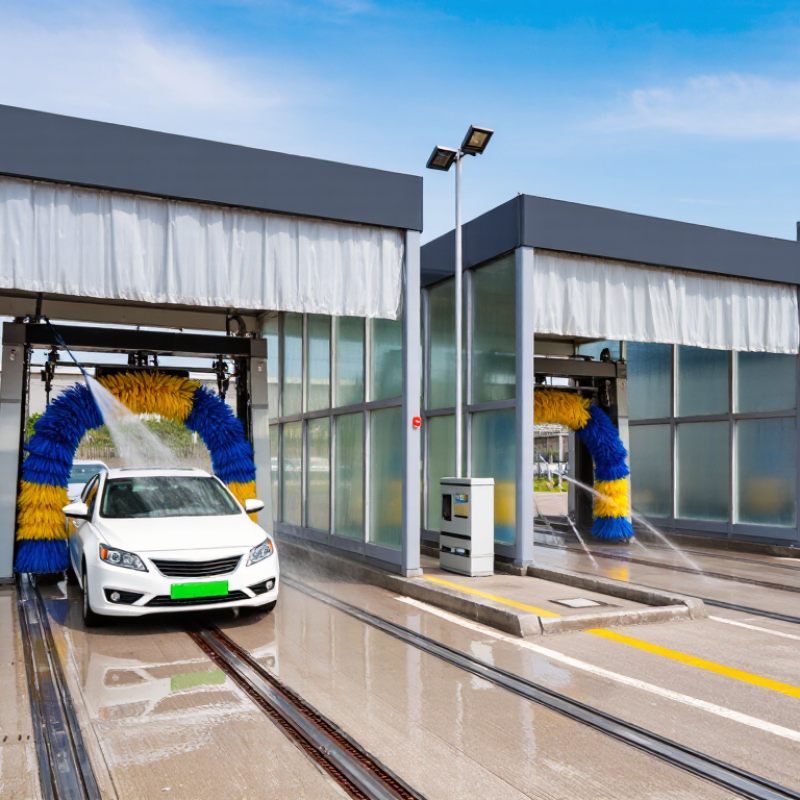
Before choosing automatic car wash equipment, map the site as customers will use it. Measure the entrance, turning space, queue length, drainage, and room for equipment access. A tight approach can slow even a fast wash. Estimate demand by observing nearby traffic and likely peak hours, then compare that estimate with each system’s rated vehicles per hour. Rated capacity is not a promise; loading delays and payment questions can reduce real throughput.
Match the wash format to local customer needs. Commuters may value a quick exterior wash, while family vehicles can need more interior-cleaning options nearby. The International Carwash Association’s water-use guidance puts professional washing at roughly 40 gallons per vehicle, compared with about 80–140 gallons for a typical home wash. Treat these as estimates, not site-specific guarantees. Check local water supply, wastewater capacity, and whether water-reclaim equipment fits the available space.
Tips: Count cars during the busiest hour, not just on an average day. Sketch vehicle paths before requesting equipment quotes. Leave room for maintenance access. Small details matter. Revisit your assumptions after opening; my estimate may be off, and actual queue patterns often expose weak points in the layout.
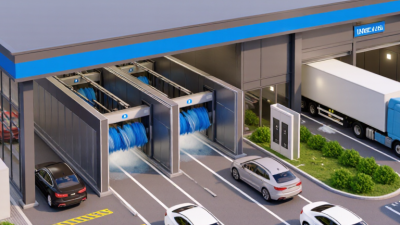
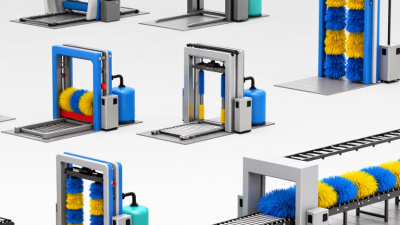
An in-bay automatic wash keeps the vehicle stationary while equipment moves around it. This format suits sites with limited space or moderate traffic. Drivers enter a marked bay, shift into park, and wait through a preset wash cycle. A rollover system may use brushes or cloth, while a touchless system relies on water pressure and cleaning chemicals. Touchless equipment avoids brush contact, but stubborn road film may remain.
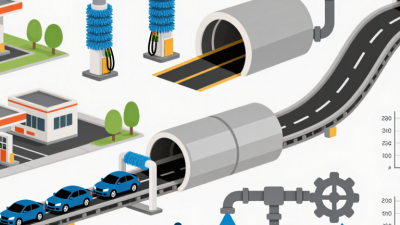
Tunnel systems move vehicles along a conveyor through several cleaning stages. They can serve more cars during busy periods, but need a longer building, steady vehicle flow, and staff who can manage entry safely. A queue of six cars can quickly occupy the approach lane. More capacity also means more components to inspect. The comparison is not always tidy.
Match the system to your actual site, not just its advertised hourly capacity. Measure the usable building length, entry and exit space, and expected peak-hour demand. Consider local water conditions, drainage design, chemical handling, and access for routine maintenance. Ask suppliers for cycle times under realistic conditions, including drying and vehicle spacing. Watch a full operating cycle if possible. Small details matter. A tight turn, low ceiling, or frequent winter mud can change which system works best.
Choosing automatic car wash equipment begins with the vehicles you actually serve, not the widest machine on a brochure. Measure the wash bay, entry clearance, wheel track, and turning space. Record common vehicle lengths, roof heights, mirrors, racks, and tire sizes. Measure the bay. A tall van or wide pickup can reveal clearance problems before installation.
Compare equipment features with your cleaning goals and site conditions. Touchless systems rely on well-positioned nozzles, suitable water pressure, and consistent chemical delivery. Friction systems need appropriate brush materials, contour tracking, and clear maintenance access. Check for adjustable programs, emergency stops, water-recovery options, and readable fault indicators. Ask how the equipment handles mud, road salt, and exterior accessories. Small details matter. Confirm service intervals and parts availability, then review the operating manual rather than relying only on sales estimates.
Throughput is more than the advertised number of cars per hour. Include payment, vehicle positioning, wash time, drying, and occasional alignment delays. A practical test with different vehicle types can expose bottlenecks. Compare peak demand with staffing and queue space; a faster cycle is little help if cars block the entrance. A spreadsheet can still mislead when arrivals bunch up. Allow for seasonal dirt and operator learning, and choose capacity that fits the site.
| Equipment Type | Typical Throughput | Cleaning Method and Features | Vehicle Compatibility | Space and Site Considerations | Best Suited For |
|---|---|---|---|---|---|
| In-Bay Automatic — Touchless | Approximately 6–12 vehicles per hour, depending on the selected cycle and site workflow. | High-pressure water and cleaning chemicals wash the vehicle without brushes or cloth contacting the body. Often offers selectable wash packages and underbody cleaning. | No wash brushes contact the vehicle. Check the equipment’s posted height, width, wheel, and accessory limits; roof racks and other protruding accessories may still require restrictions. | Uses a single wash bay. Requires adequate drainage, water supply, chemical storage, and clearance for the machine’s moving gantry. | Sites with limited space or customers who prefer a wash without exterior brush contact. |
| In-Bay Automatic — Friction | Approximately 8–20 vehicles per hour, depending on wash-cycle length and turnaround time. | Moving equipment uses cloth or foam cleaning materials to contact vehicle surfaces. Options may include wheel cleaning, dryers, and multiple wash programs. | Suitable for many passenger cars and light trucks within the equipment’s specified envelope. Confirm rules for mirrors, antennas, racks, lifted vehicles, and other protrusions. | Uses a single wash bay. Allow room for vehicle positioning, equipment travel, drying, and safe entry and exit. | Independent sites seeking an automated wash with a relatively compact operating footprint. |
| Conveyor Tunnel — Friction | Approximately 30–120 vehicles per hour; actual capacity depends on conveyor speed, spacing, cycle design, and operating practices. | Vehicles move through a sequence of cleaning stages using cloth or foam contact materials, rinsing, and often drying equipment. Multiple packages can be configured along the tunnel. | Usually designed for a defined range of passenger vehicles and light trucks. Vehicle loading procedures and conveyor limits can exclude vehicles with certain sizes, tires, or protruding accessories. | Requires a longer building and space for vehicle queuing, conveyor loading, exit flow, and supporting water-treatment equipment. | High-volume operations with sufficient site area and steady vehicle demand. |
| Conveyor Tunnel — Touchless or Hybrid | Capacity varies widely by layout and cycle; assess the supplier’s rated line speed and confirm it against the full wash sequence. | Touchless stages use high-pressure water and chemicals; hybrid layouts may combine touchless pre-wash stages with friction equipment. | Compatibility depends on the conveyor, vehicle-guidance system, and any contact equipment in the line. Verify published limits for vehicle dimensions, wheels, and accessories. | Requires tunnel space, queue capacity, and utility planning. Hybrid layouts need room for each wash stage and maintenance access. | Operators balancing cleaning preferences, site capacity, and a higher-volume conveyor format. |
| Rotary / Multi-Station Conveyor | Throughput depends on the number of stations, cycle time, and how vehicles are advanced between stages; obtain a site-specific capacity estimate. | Vehicles are processed at multiple positions, which can allow different wash tasks to occur in parallel. Available features vary by system design. | Confirm how vehicles are positioned and moved, and check the equipment’s dimensional limits and procedures for non-standard vehicles. | Requires a purpose-designed layout, coordinated vehicle movement, and sufficient room for loading, unloading, and circulation. | Sites seeking staged processing and able to accommodate a specialized layout. |
| Selection note: Throughput figures are indicative planning ranges, not guaranteed performance. Actual capacity and vehicle compatibility vary by equipment configuration, cycle length, operating conditions, and local requirements. Before purchase, verify the manufacturer’s specifications, posted vehicle limits, utility needs, drainage requirements, and applicable safety standards. | |||||
Before selecting automatic car wash equipment, check whether the site can support its installation. Measure the usable bay, ceiling clearance, vehicle queue, and space for pumps and chemical storage. Confirm that the floor can handle equipment loads and that drains, water supply, and electrical service match the system’s specifications. Small details matter. A cramped service area can turn a routine repair into hours of downtime. Ask installers to identify required site work, utility upgrades, and likely installation delays in writing.
Compare operating costs using realistic daily wash volumes, not the busiest week of the year. Include water, electricity, cleaning products, labor, wastewater handling, and replacement parts. Water-recycling systems may reduce fresh-water use, but filters and tanks need regular attention. Downtime costs money. A spreadsheet can still mislead if it assumes every wash bay runs at full capacity. Test the estimate with quieter months and a slower-than-expected start.
Maintenance requirements affect both reliability and staffing. Ask how often operators must inspect spray nozzles, sensors, brushes, belts, pumps, and filters. Check whether common parts are available quickly and whether routine service requires special tools or training. Request a written maintenance schedule and sample service records for comparable installations. Winter conditions, hard water, and heavy use can change that schedule. It is easy to focus on purchase price; the less obvious question is whether your team can keep the system clean, inspected, and ready every day.
Compare indicative equipment and installation costs with yearly operating and maintenance budgets. These planning ranges are in USD; actual costs depend on the wash type, site, utility rates, and local labor.
Annual operating-cost estimates assume approximately 50,000 washes per year and include water, energy, and cleaning chemicals. Maintenance estimates cover routine servicing and common replacement parts. Request site-specific quotes before making a purchase decision.
Choosing automatic car wash equipment starts with the supplier, not the machine’s shine. Ask how long critical parts typically take to arrive, and whether technicians can troubleshoot remotely. Request a sample maintenance schedule, parts list, and written warranty terms. A useful supplier will explain limits as clearly as benefits. It is tempting to trust a polished brochure, but that is not enough.
Check safety and compliance documents before signing. Ask for current test reports, installation instructions, and evidence that electrical and mechanical components meet requirements where the equipment will operate. Confirm who handles inspections and commissioning, and keep copies of every record. Details matter. During a site visit, look for emergency stops, clear warning labels, guarded moving parts, and safe access to service areas. Ask staff to demonstrate shutdown procedures; a control that is hard to reach may look fine on paper.
Speak with operators who use similar equipment, and ask what needs attention after a busy day. Listen for recurring problems, not just praise. A supplier’s checklist can still miss a site-specific issue, such as tight clearance around a service panel. Measure the space yourself, then have the supplier confirm the layout in writing. Verify, and verify again.