2026 Top Auto Car Wash Equipment for Global Buyers?
The global auto car wash equipment market is experiencing significant growth. According to recent reports, the market is expected to reach $10 billion by 2026. This rise is driven by increasing vehicle ownership and a growing demand for efficient cleaning solutions. Innovations in equipment designs and sustainability practices are also reshaping the landscape.
Key industry players are focusing on advanced technologies. Automated systems are gaining traction due to their convenience. Data shows that over 80% of consumers prefer automatic washes to manual ones. However, some businesses still face challenges. High initial costs can deter investments in advanced auto car wash equipment.
As firms adapt, they must evaluate their customer needs. It’s essential to balance efficiency and quality. Sustainability remains a critical factor. Customers are becoming more environmentally conscious. Investing in eco-friendly equipment can yield long-term benefits. Each choice in the auto car wash landscape reflects broader trends in consumer behavior and environmental responsibility.
2026 Auto Car Wash Equipment: Key Trends & Innovations
The auto car wash industry is rapidly evolving, driven by technological innovations and sustainability demands. A recent report from IBISWorld indicates that the global car wash services market is expected to reach $30 billion by 2026. This trend reflects a growing consumer preference for convenience and quality, leading to advancements in car wash equipment.
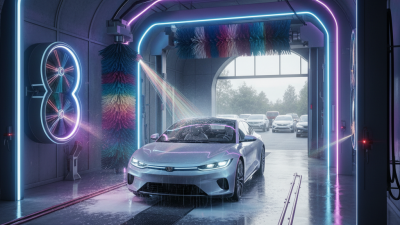
One key innovation is the integration of automated systems equipped with advanced sensors and artificial intelligence. These systems enhance efficiency and minimize water usage. According to the National Association of Truckstop Operators, the use of water recycling systems in car washes can reduce overall water consumption by up to 70%. However, the capital investment for such technology can be a barrier for smaller operators.
There's also a move towards eco-friendly products in car wash solutions. Many consumers express concerns about environmental impacts, pushing companies to adopt biodegradable soaps and energy-efficient machinery. Despite this progress, a study from the Car Wash Association revealed that only 25% of car washes currently use sustainable practices. This highlights a gap that businesses must address to remain competitively relevant in a changing market.
Types of Car Wash Equipment for Global Markets in 2026
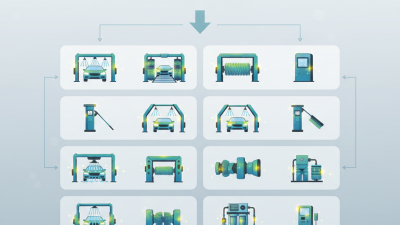
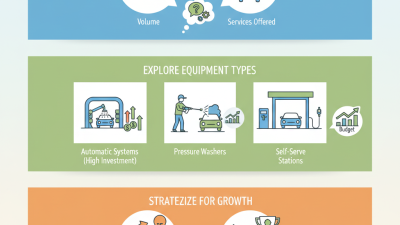
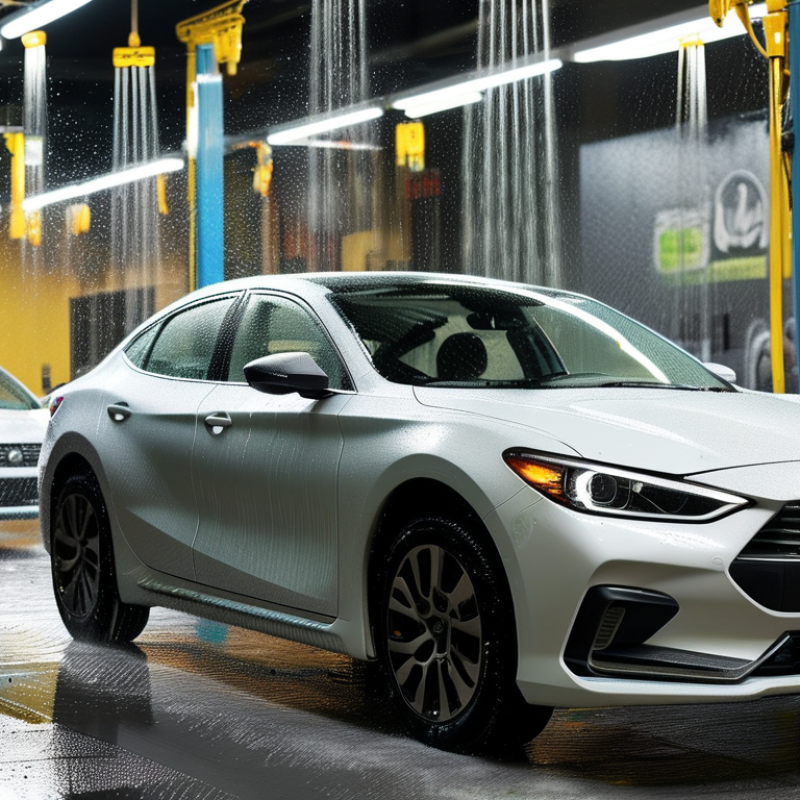
In 2026, the car wash equipment market is set to expand significantly. Global buyers will encounter various types of car wash equipment tailored for diverse needs. These include touchless systems, which rely on high-pressure water jets to clean vehicles without physical contact. These are ideal for maintaining paint integrity while ensuring an effective wash.
Brush-based systems also remain popular. They are efficient for heavier dirt and grime, providing a thorough cleaning experience. However, the potential for brush wear on vehicles could lead to concerns over scratches. It’s essential for buyers to weigh the benefits against the possible drawbacks.
Self-service car washes are gaining traction as well. They offer convenience and control for users. However, these stations may require more upkeep and can vary in quality. Consumers might encounter challenges in finding well-maintained locations. Understanding local market trends and consumer preferences will play a vital role in selecting the right equipment. As buyers explore these options, they should also consider maintenance and operational costs, ensuring a balance between efficiency and expense.
2026 Top Auto Car Wash Equipment for Global Buyers
| Equipment Type |
Market Demand (Units) |
Average Price (USD) |
Key Features |
Target Market |
| Touchless Car Wash System |
15,000 |
$25,000 |
High-pressure water jets, chemical application |
Urban Areas |
| Portable Car Wash System |
20,000 |
$1,200 |
Mobility, compact design, water efficiency |
Residential and Small Businesses |
| Automatic Car Wash Tunnel |
10,000 |
$150,000 |
High throughput, automated process |
Commercial Car Washes |
| Self-Service Car Wash Equipment |
12,000 |
$8,000 |
User-operated, coin or card payment |
Rural and Suburban Areas |
| Foam Brush Car Wash System |
8,000 |
$5,000 |
Foam application, manual or automated |
Small Businesses and Franchisees |
Leading Manufacturers of Car Wash Equipment Worldwide
The global car wash equipment market is rapidly evolving, driven by advancements in technology and consumer demand for high-quality services. According to a recent industry report, the market is projected to grow at a CAGR of 4.5% from 2021 to 2026. Factors such as urbanization and increasing vehicle ownership are fueling this expansion. Leading manufacturers play a crucial role in meeting these demands.
Among the key players in this market, manufacturers focus on innovation to enhance efficiency and sustainability. Automated car wash systems, for example, utilize advanced sensors and eco-friendly cleaning agents. These technologies significantly reduce water usage and minimize environmental impact. Despite these advancements, some regions still lack access to state-of-the-art equipment, questioning the industry's reach and consistent quality.
Another observable trend is the rise of self-service car wash stations. These allow car owners to clean their vehicles conveniently while saving on labor costs. However, the variability in service quality raises concerns. Not all self-service stations maintain high standards or provide adequate equipment. This inconsistency could lead to dissatisfaction among users and affect overall market growth.
Factors Influencing Car Wash Equipment Selection for Buyers
When considering car wash equipment, several factors significantly influence buyer decisions. Efficiency stands out as a primary concern. According to the International Carwash Association, nearly 70% of users prioritize systems that reduce water and energy consumption. This reflects a growing trend towards sustainable practices, which can help operators cut costs and enhance their brand image.
Another important factor is the range of services the equipment can offer. Many buyers seek multifunctional systems that provide a variety of wash options. Research shows that consumers appreciate flexibility. This trend indicates a shift; operators must stay updated on consumer preferences. The car wash market is projected to grow by 4.5% annually, highlighting the need for adaptability in equipment.
Reliability also plays a crucial role in selection. Equipment that frequently breaks down leads to downtime and lost revenue. A study from the Automotive Wash Association noted that 30% of operators experienced significant losses due to unreliable systems. Thus, investing in robust technology is not merely an expense but a necessity for sustained operational success. Making informed decisions becomes vital in this competitive landscape.
Sustainability and Eco-Friendly Practices in Car Wash Equipment
In today's world, sustainability is crucial for all industries, including car washing. Eco-friendly practices are gaining traction among consumers and businesses alike. With the rise of awareness about environmental issues, many car wash equipment manufacturers focus on creating sustainable options. These machines are designed to use less water and energy. Such innovations can significantly reduce the carbon footprint, enabling a greener future.
Moreover, biodegradable soaps and detergents are becoming standard in car washes. These products minimize environmental impact without compromising cleaning effectiveness. Investing in car wash equipment that incorporates these elements not only attracts eco-conscious customers but also aligns with global sustainability goals. However, integrating these practices can be challenging. Some businesses may struggle with upfront costs or lack knowledge about the latest eco-friendly technologies.
On another note, it's important to consider the recycling aspect of car wash operations. Many facilities overlook waste management and water recovery systems. Implementing a closed-loop system can enhance sustainability efforts, but it requires a thoughtful approach. Adopting these practices points to the industry's responsibility toward the planet. Continually assessing and improving sustainability strategies will lead to better practices and outcomes in the long run.