Why Choose Automatic Carwash Equipment for Your Business?
A carwash business depends on more than a steady stream of vehicles. Customers notice how quickly a wash is completed, whether the finish looks consistent, and if the site feels clean and well managed. Automatic Carwash Equipment can help operators deliver a repeatable process while serving multiple customers with less manual work at each vehicle. That can make a real difference during a busy Saturday rush.
The right system may include wash arches, conveyor equipment, water-recycling features, and payment controls. Each component affects daily operations. For example, cycle time influences vehicle flow, while accessible service points can make routine maintenance easier. Before choosing equipment, owners should consider their site dimensions, expected traffic, utility capacity, staffing, and the services customers actually want. A polished machine is not automatically the right machine.
There are trade-offs. Installation can require careful planning, and equipment needs regular inspection, cleaning, and repairs. A poorly matched system may create bottlenecks or costs that are hard to recover. Small details matter. Ask suppliers about operating requirements, maintenance schedules, parts availability, and staff training, then compare those answers against your business plan. No estimate is perfect. Real customer demand may differ from early projections, so it helps to leave room for adjustment. The sections ahead explore how automatic systems can support efficiency, customer experience, and long-term planning—and where a thoughtful evaluation matters most.
What Automatic Car Wash Equipment Includes
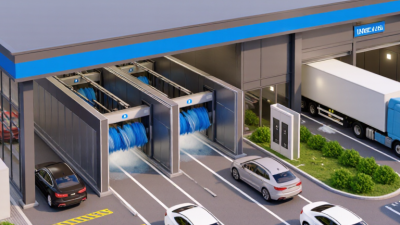
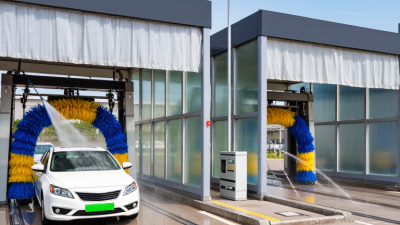
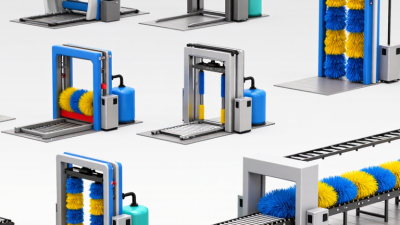
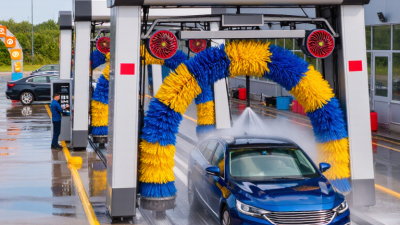
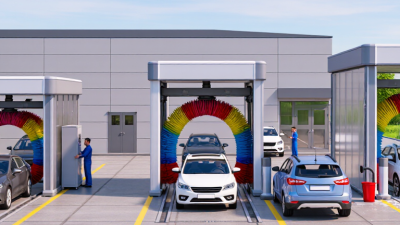
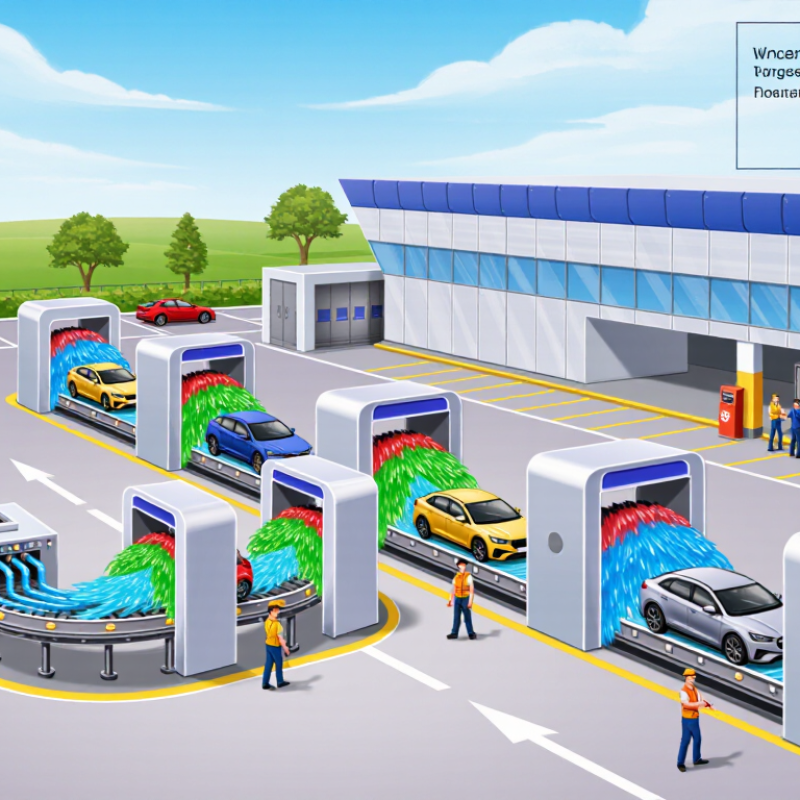
Automatic car wash equipment is a connected system, not just a wash arch. A typical setup includes a conveyor or vehicle-positioning bay, pumps, spray manifolds, and controlled chemical dispensers. Sensors help identify vehicle position and adjust wash stages. The exact package depends on throughput, available space, and whether the site uses friction brushes or touch-free cleaning.
A payment terminal or staffed point starts the wash program. Water-treatment equipment may filter and reclaim rinse water, while a final-rinse system and dryers help limit spots and speed vehicle exit. The International Carwash Association’s water-use guidance estimates that professional washes can use around 40 gallons per vehicle, compared with over 100 gallons for some home washes. Actual use varies by wash design and reclaim performance. Water systems deserve careful sizing.
Controls tie the equipment together. They coordinate pump pressure, chemical dosing, conveyor speed, and safety stops. A poorly matched dryer can leave water on mirrors; an undersized reclaim system can affect wash consistency. Small details matter. Ask suppliers for rated vehicles per hour, maintenance intervals, and water-use assumptions, then compare them with a real site layout. Numbers on a brochure need context.
Why Choose Automatic Carwash Equipment for Your Business? — What Automatic Car Wash Equipment Includes
| Equipment or System | What It Includes | Primary Function | Business Consideration |
|---|---|---|---|
| Wash Bay or Conveyor System | A vehicle-entry area and either a stationary wash bay or a conveyor that moves vehicles through wash stages. | Positions or transports vehicles through the wash process. | Equipment choice depends on available space, expected traffic, site layout, and the service format. |
| Vehicle Detection and Control System | Sensors, control hardware, and operating software that coordinate equipment actions during a wash cycle. | Detects vehicle position and helps sequence wash stages safely. | Correct installation, calibration, and routine testing help reduce interruptions and operating errors. |
| Pre-Soak and Chemical Delivery | Storage containers, metering devices, and delivery lines for detergents, pre-soak solutions, and other wash chemicals. | Applies cleaning solutions to loosen dirt and road film. | Use chemicals compatible with the equipment and follow product instructions for handling and dilution. |
| High-Pressure Water System | Pumps, pipes, valves, and spray nozzles that direct water onto vehicle surfaces. | Rinses vehicles and supports targeted cleaning of exterior areas. | Water pressure, flow, filtration, and local water conditions should be considered during system design. |
| Brushes or Cloth Components | Rotating brushes, soft-cloth materials, or other contact-wash components, depending on the equipment configuration. | Provides mechanical contact to help remove surface dirt. | Regular inspection and cleaning help maintain performance and limit the transfer of grit between vehicles. |
| Rinse and Spot-Free Rinse System | Rinse nozzles and, where installed, water-treatment equipment such as filtration or deionization components. | Removes wash solution; treated final-rinse water can help reduce mineral spotting as water dries. | Treatment requirements depend on incoming water quality and the desired finish. |
| Drying System | Blowers, ducts, and positioning hardware designed to direct air over vehicle surfaces. | Removes some remaining water after rinsing. | Drying results vary with vehicle shape, airflow, equipment settings, and operating conditions. |
| Payment and Customer Interface | Payment terminal or cashier interface, wash-selection controls, and customer instructions. | Lets customers select and pay for available wash services. | Clear instructions and accessible payment options can make the customer process easier to manage. |
| Water Management and Drainage | Floor drains, sediment capture, water-recycling equipment where installed, and connections to approved discharge systems. | Collects wash water and supports site water management. | Design and operation must account for local plumbing, wastewater, and environmental requirements. |
| Safety and Maintenance Features | Emergency stops, guards, warning indicators, access panels, and maintenance controls as specified by the system. | Supports safe operation, inspection, and servicing. | Staff training and scheduled maintenance are important parts of operating automatic wash equipment. |