Why Choose Automatic Car Wash Equipment for Your Business?

Choosing Automatic Car Wash Equipment is a practical decision for businesses facing rising labor costs, inconsistent service, and growing customer expectations. Grand View Research valued the global car wash services market at approximately USD 32.47 billion in 2023. Its report also projects a 6.1% compound annual growth rate from 2024 to 2030. These figures suggest strong demand, but market growth alone does not guarantee profitability.

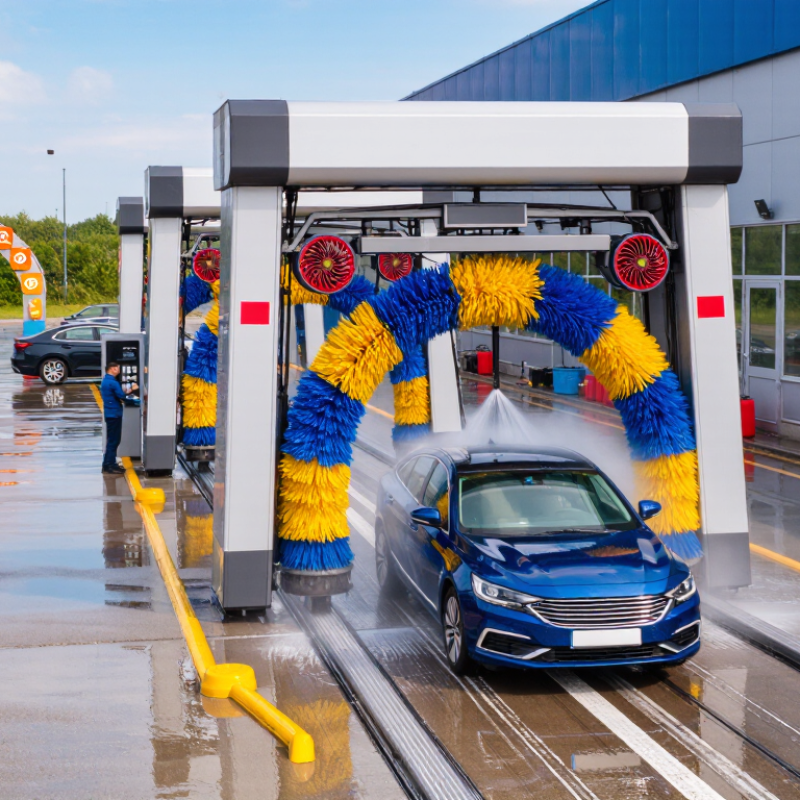
Automatic systems can create a consistent wash experience within minutes. Customers see the same conveyor movement, detergent application, brush pressure, and drying sequence each time. Operators can also monitor water usage, chemical consumption, maintenance alerts, and payment data more efficiently. The International Carwash Association reports that professional car washes generally use less water than washing a vehicle at home. Its former CEO, Eric Wulf, stated, “The professional car wash industry is a $15 billion industry in the United States.” This perspective highlights the sector’s scale and commercial maturity.

Still, automation is not magic. Equipment selection must match traffic volume, site design, climate, vehicle types, and available maintenance support. A high-speed tunnel may suit a busy roadside location, while a compact in-bay system could fit a smaller property. Poor planning can create queues, downtime, and disappointing returns. That is why business owners should compare lifecycle costs, manufacturer training, warranty coverage, safety features, and local service response before purchasing. The right Automatic Car Wash Equipment can improve efficiency and customer consistency, but only when technology supports a carefully designed operating model.
Why Choose Automatic Car Wash Equipment for Your Business?

What Is Automatic Car Wash Equipment?

Automatic car wash equipment is a connected system that cleans vehicles with limited manual effort.

It may include a conveyor tunnel, rollover frame, pumps, brushes, dryers, sensors, and chemical dosing units. Some systems also include payment controls and water recovery equipment.

During a typical wash, sensors detect the vehicle’s position and size. The controller then adjusts water pressure, brush movement, detergent use, and drying time. This helps create consistent service during busy hours.

However, automatic does not mean maintenance-free. Brushes need inspection, nozzles can clog, and sensors may misread a dirty vehicle. Small faults can leave water spots or missed areas.

A dependable setup should match the site, vehicle flow, utility capacity, and staff skills. Experienced operators check drainage, electrical protection, emergency stops, and daily chemical levels. They also keep service records and test the wash process at different vehicle sizes.

Professional installation matters because poor alignment can cause noise, uneven cleaning, or unnecessary wear. Water-saving features may reduce operating costs, but they require correct filtration and regular cleaning.

That detail is easy to overlook. A careful business owner should compare output quality, maintenance access, safety controls, and support response before selecting equipment.
How Automatic Car Wash Systems Work

How Automatic Car Wash Systems Work

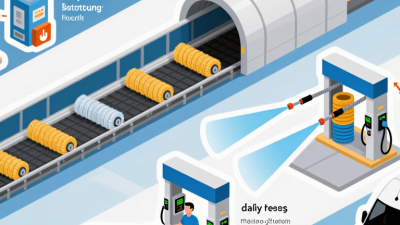
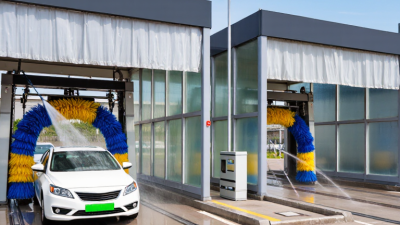
Automatic car wash equipment combines sensors, pumps, brushes, conveyors, and drying units. The process begins when a vehicle reaches the entry sensor. The system checks its position and wheel alignment. A conveyor then moves the car at a controlled speed. Some systems use touchless high-pressure water. Others use soft foam brushes for physical cleaning.

A programmable controller coordinates each stage. It opens chemical valves, adjusts pump pressure, and controls rinse timing. Sensors can detect vehicle height and length, reducing contact risks. According to the International Carwash Association’s 2023 industry research, water management remains a major operational priority. The U.S. Environmental Protection Agency also notes that washing one car at home can use up to 100 gallons of water. Professional systems often reduce consumption through controlled spray patterns and reclaim tanks. However, reclaim water needs regular filtration. Dirty filters can weaken cleaning performance.

Tips: Test the entry sensors daily. Check nozzle alignment weekly. Keep emergency-stop controls visible. Train staff to watch unusual noise, vibration, or delayed movement. A perfect cycle is not guaranteed. Weather, mud, and poor chemical balance still affect results. Operators should record water use, cycle time, and customer complaints. These simple records reveal problems before equipment downtime becomes expensive. Industry reports offer useful averages, but each site behaves differently. Traffic volume, vehicle size, and local water quality matter. A practical setup needs adjustment, not blind trust in factory settings.

Key Benefits for Car Wash Businesses

For many car wash businesses, automatic equipment changes the daily rhythm of service. A vehicle enters the bay, sensors guide its position, and programmed brushes or touchless systems follow a measured cycle. This consistency helps reduce missed areas caused by rushed manual work. It also gives customers clearer expectations for time and cleaning quality. Faster service matters during Saturday queues. Shorter lines can protect revenue and customer patience. Still, speed alone is not enough.

Labor efficiency is another practical benefit. Staff can focus on greeting drivers, checking payment, removing loose items, and inspecting the exit area. Fewer repetitive tasks may reduce fatigue and support safer routines. Modern systems can also regulate water, detergent, and drying time with calibrated settings. That control may lower waste and make operating costs easier to track. From an operator’s perspective, maintenance records are essential. Simple logs reveal nozzle wear, unusual noise, or slower drying before customers complain. Small details matter.

Automatic equipment can support dependable data collection, including wash counts, cycle times, and common stoppages. Managers can compare busy periods and schedule service more carefully. Yet installation, training, drainage, and local operating requirements deserve serious review. An automated bay is not self-managing. Poorly adjusted sensors can create delays, while neglected components can damage trust quickly. Efficiency plans sometimes overlook staff training. That mistake is avoidable. A practical choice balances throughput, customer comfort, maintenance access, and long-term reliability.

Why Choose Automatic Car Wash Equipment for Your Business? — Key Benefits for Car Wash Businesses

Business Dimension Automatic Car Wash Equipment Typical Planning Data Business Benefit
Vehicle Throughput Automated wash cycles reduce the time required for each vehicle and support a more consistent workflow. In-bay automatic: approximately 10–20 vehicles per hour
Conveyor tunnel: approximately 60–120 vehicles per hour
Higher peak-period capacity and shorter customer waiting times, subject to site layout, wash-cycle length, and operating procedures.
Labor Efficiency Equipment can automate washing, rinsing, drying, and chemical application tasks. One operator can often supervise equipment, payment, customer assistance, and routine checks instead of manually washing every vehicle. Labor can be redirected toward customer service, equipment monitoring, site cleanliness, and membership sales.
Water Management Automatic systems can be paired with high-pressure nozzles, controlled dosing, and water-reclamation equipment. Many commercial reclaim systems are designed to reduce fresh-water demand by approximately 30%–80%, depending on system design and local conditions. Lower water consumption, reduced utility exposure, and improved environmental performance.
Wash Consistency Programmed spray pressure, chemical dosage, brush movement, and cycle timing provide repeatable processes. Core wash steps are delivered according to preset programs rather than depending entirely on individual employee technique. More consistent service quality and easier standardization across operating shifts.
Chemical Control Automatic chemical systems meter detergents, waxes, and protectants according to the selected wash program. Accurate dosing helps prevent unnecessary over-application and supports repeatable chemical consumption tracking. Better inventory control, more predictable operating costs, and consistent cleaning results.
Operating Hours Automated facilities can continue serving customers with limited staffing when suitable payment, safety, and monitoring systems are installed. Opening hours can be extended beyond a fully staffed manual-wash schedule, subject to local regulations and site security. More opportunities to capture early-morning, evening, and weekend demand.
Customer Experience Customers receive a clearly defined wash package with predictable steps, timing, and payment options. Touchless, friction, and hybrid systems can be configured for different vehicle-care preferences. Faster service, transparent package selection, and a more convenient customer journey.
Revenue Opportunities Automatic systems can support multiple wash packages, add-on services, prepaid plans, and subscription programs. Common add-ons include underbody wash, wheel cleaning, tire treatment, waxing, drying upgrades, and vacuum services. Higher average transaction value and opportunities for recurring membership revenue.
Safety and Process Control Sensors, emergency stops, interlocks, and programmed sequences help control equipment operation. Safety performance depends on proper installation, staff training, preventive maintenance, and compliance with applicable standards. Reduced process variability and improved control of operational risks.
Maintenance Planning Modern systems provide scheduled maintenance requirements for pumps, conveyors, brushes, sensors, dryers, and water-treatment components. Daily inspections and preventive maintenance are generally required; service intervals vary by equipment type, usage, and water quality. Planned maintenance can help reduce unexpected downtime and protect equipment life.
Scalability Businesses can select equipment based on available space, expected traffic, service model, and future expansion plans. Options range from compact in-bay automatic units to higher-capacity conveyor systems with integrated detailing areas. Greater flexibility when adapting capacity to site demand and investment level.
Performance Measurement Automated payment and control systems can record wash selections, transaction volumes, and equipment status. Useful indicators include vehicles per hour, revenue per vehicle, water use per vehicle, chemical use, downtime, and membership retention. More informed pricing, staffing, maintenance, and marketing decisions.

Note: The figures shown are commonly used planning ranges rather than guaranteed results. Actual throughput, water savings, labor requirements, operating costs, and return on investment depend on equipment configuration, vehicle mix, site design, local utility rates, climate, maintenance practices, and applicable regulations.

Types of Automatic Car Wash Equipment

Choosing automatic car wash equipment starts with understanding your site, customers, and daily vehicle flow. Different systems suit different operating conditions. The main types include in-bay automatic machines, tunnel systems, and touchless equipment. Each type affects washing speed, labor needs, maintenance, and customer experience.

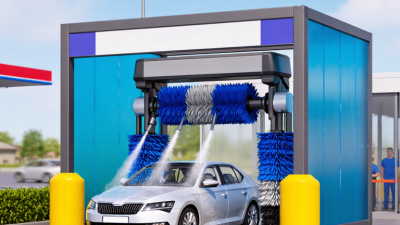
In-bay automatic equipment washes one vehicle while it remains stationary. It fits smaller sites with limited space and moderate traffic. Friction systems use soft brushes or cloth materials to remove road film effectively.

Touchless systems use high-pressure water and cleaning chemicals instead. They reduce contact with the vehicle surface, but stubborn dirt may remain. No system is perfect.

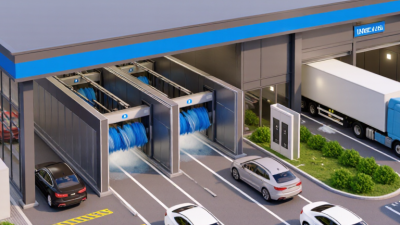
Tunnel equipment moves vehicles through several stations. These may include pre-rinse arches, foam applicators, brushes, rinsing units, and dryers. Tunnels can process more cars during busy periods.

However, they require careful layout planning and regular inspections. A poorly adjusted brush or blocked nozzle can reduce cleaning quality quickly.

A reliable choice depends on water supply, drainage, electrical capacity, available labor, and expected traffic. Operators should examine service access before purchasing. Technicians need enough space to inspect pumps, belts, sensors, and spray lines. Water recycling equipment may also reduce resource use when properly maintained.

I have seen businesses focus too heavily on speed. That can create longer repair delays later.

Equipment should match real demand, not imagined demand. Testing a full wash cycle during evaluation often reveals practical weaknesses.

Factors to Consider Before Choosing Equipment

Choosing automatic car wash equipment can improve service speed, labor control, and customer convenience. However, equipment selection should begin with your site, not a sales brochure. Measure the entrance, exit, turning radius, drainage points, and available utility connections. A compact location may need a smaller conveyor system or a touchless design.

Daily traffic matters just as much. Estimate peak-hour demand, vehicle sizes, and average wash times. Equipment rated for heavy use may cost more, but frequent stoppages can damage customer trust. Ask about motor durability, sensor accuracy, drying performance, and replacement-part availability. Maintenance access is important. If technicians cannot reach pumps easily, a minor fault may become an expensive closure.

Water and energy use also deserve careful review. Recycling systems can reduce consumption, but they require filtration, testing, and regular cleaning. Dirty filters may affect water quality and wash results. Payment options should be simple, secure, and compatible with your customer base. Safety features, emergency stops, operator training, and documented maintenance procedures should be verified before installation. Local building, environmental, and electrical requirements must also be checked with qualified professionals.

Do not judge equipment only by its purchase price. Calculate installation, servicing, utilities, consumables, and expected downtime. A cheaper system may become costly during busy seasons. I would also allow extra space for future upgrades. That decision is easy to overlook. Performance claims should be tested under real operating conditions, because polished demonstrations rarely show winter grime, uneven traffic, or rushed staff.