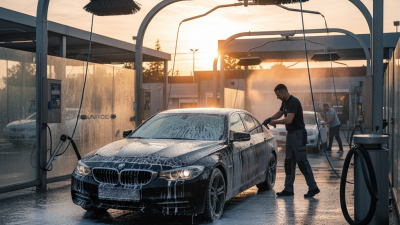
What Is a Fully Automated Car Wash?

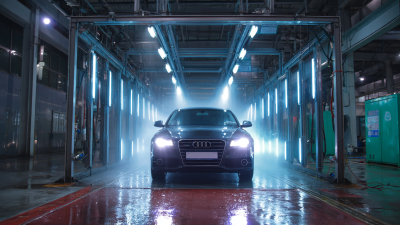
A Fully Automated Car Wash is more than a machine moving a vehicle through soap, water, and drying equipment. It is a coordinated system that manages payment, vehicle positioning, cleaning cycles, safety sensors, and final drying with limited human intervention. The process may look simple from the driver’s seat. Behind the scenes, it depends on careful engineering.

As Eric Wulf, chief executive of the International Carwash Association, has said, “Professional car washes use less water than most people use to wash their cars at home.” This point gives automated washing a practical environmental advantage. Modern systems often recycle water, control chemical doses, and reduce unnecessary rinsing. They also create more consistent results than rushed driveway washing.

Still, “fully automated” does not mean completely risk-free. A dirty sensor, an incorrectly positioned mirror, or an unusually shaped vehicle can affect the experience. The system needs maintenance. Staff still matter.

That detail is easy to overlook.

A strong Fully Automated Car Wash combines convenience with measurable operating discipline. Customers can remain inside the vehicle while brushes, cloth strips, pressure jets, and dryers work in sequence. Some facilities use conveyor belts, license-plate recognition, or touchless cleaning technology. Each design has trade-offs involving cost, cleaning strength, paint protection, and water consumption.

This guide examines how the technology works, what customers should expect, and where automation may fall short. The answer is not always perfect. That is precisely why understanding the process matters.

What Is a Fully Automated Car Wash?

Definition and Core Features of a Fully Automated Car Wash

A fully automated car wash is a vehicle-cleaning system that completes most tasks without direct staff control. The driver follows marked guides, selects a wash program, and remains inside the vehicle. Sensors identify vehicle height, width, position, and unusual obstacles before equipment moves. That pause matters. It helps reduce contact errors, although no sensor system is perfect. Core equipment usually includes conveyors or drive-in platforms, rotating brushes or cloth curtains, high-pressure water, detergent dosing, and dryers.

Automation coordinates these parts through software and timed controls. A typical cycle may pre-rinse dusty panels and apply cleaning solution. It then agitates surfaces, rinses away residue, and dries mirrors and seams. Water-recycling systems can filter and reuse part of the wash water. Metered chemical delivery supports consistent cleaning and limits unnecessary product use. Lighting, cameras, emergency stops, and clear instructions also support safe operation. Staff may monitor alerts and inspect equipment, even when the wash is automated. This human oversight is often overlooked.

The main appeal is repeatability. It is consistent. A controlled process can shorten service time and reduce manual handling. However, results depend on calibration, maintenance, water quality, and the dirt on each vehicle. Heavy mud, roof racks, loose trim, or poorly aligned wheels can challenge the system. One missed patch can remain. In practical operation, fully automated does not mean maintenance-free. Operators still need service records, inspections, and honest performance checks. A reliable facility treats automation as a managed process, not a magic button.

How a Fully Automated Car Wash Operates

What Is a Fully Automated Car Wash?

How a Fully Automated Car Wash Operates

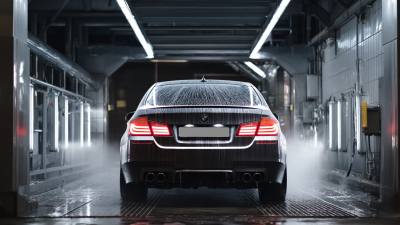
A fully automated car wash manages the cleaning cycle with limited staff involvement. The driver selects a service, pays electronically, and follows lane signals into the wash bay. Position sensors check the vehicle’s length, width, and wheel placement. Cameras or laser sensors may detect mirrors, antennas, and other exposed parts. The system then activates a pre-rinse, detergent application, and cleaning stage.

Some facilities use soft cloth materials. Others use high-pressure water without physical contact. Rotating equipment follows programmed paths across the hood, roof, doors, and wheels. A final rinse removes chemical residue. Powerful air dryers push water from glass, mirrors, and body panels. It is quick, but not flawless.

The International Carwash Association’s 2024 Consumer Study identifies convenience and vehicle cleanliness as major service drivers. Grand View Research valued the global car wash services market at about $34.59 billion in 2023. It also projected a 3.8% compound annual growth rate through 2030. These figures reflect growing demand for consistent, time-saving operations.

Water management is another important stage. The U.S. Environmental Protection Agency notes that professional washes can use less water than uncontrolled home washing. Many automated sites collect, filter, and reuse process water. However, reclaim systems need regular testing and maintenance. A blocked filter can reduce cleaning quality. A misread sensor can stop the cycle. Human oversight still matters.

Main Types of Automated Car Wash Systems

What Is a Fully Automated Car Wash?

Main Types of Automated Car Wash Systems

A fully automated car wash manages most cleaning stages with limited driver involvement. The process may include vehicle positioning, pre-rinsing, washing, drying, and payment control. Safety sensors monitor vehicle height, movement, and distance during operation. No system is perfect.

The conveyor tunnel system moves cars through fixed washing stations. Rotating brushes, foam applicators, water jets, and dryers work in sequence. This design suits busy locations because several vehicles can enter the system continuously. However, drivers must follow lane instructions carefully. A poorly positioned tire can interrupt the cycle or reduce cleaning quality.

The in-bay automatic system keeps the vehicle stationary while the equipment moves around it. This option needs less space and often suits smaller service areas. Some models use soft cloth materials, while others rely on touchless high-pressure water. Touchless systems reduce direct contact with paint, but they may struggle with dried mud or heavy road film. Stronger chemicals are not always the best answer.

A hybrid system combines brushes with targeted water jets and air drying. It can balance cleaning power, speed, and water use when properly calibrated. Operators still need to inspect spray nozzles, brushes, drainage, and sensor accuracy. In real-world use, automated equipment can miss lower panels, mirrors, or wheel edges. That limitation deserves honest attention when choosing a system.

Automated car wash systems generally fall into three categories: in-bay automatic, conveyor tunnel, and touchless automatic. The chart shows typical fresh-water consumption ranges per vehicle. Actual usage varies according to equipment settings, vehicle size, reclaim-water systems, and local operating practices.

Equipment and Technologies Used in the Process

What Is a Fully Automated Car Wash?

Equipment and Technologies Used in the Process

A fully automated car wash uses sensors, mechanical equipment, and programmed controls. The vehicle usually moves along a conveyor or stays inside a rollover bay. Wheel guides help maintain its position. Entry sensors measure the car’s size and detect unusual obstructions. This information adjusts the wash sequence.

High-pressure arches remove loose dirt before cleaning begins. Foam applicators spread detergent across the bodywork. Rotating brushes or soft cloth curtains then loosen road film. Some systems use touch-free water jets instead. A programmable control unit coordinates timing, pressure, and movement. Safety sensors stop equipment when a person, open door, or misplaced vehicle is detected.

The final stages include underbody sprays, rinsing arches, and air dryers. Water recovery tanks can filter and reuse part of the wash water. This reduces waste, although filtration quality needs regular inspection. Operators also check brushes, nozzles, conveyors, and emergency stops each day. Small faults can leave water spots or uneven cleaning. Automation is fast, but it is not flawless. Sensors may misread dirt or vehicle shape. A manual inspection still matters, especially after heavy rain or winter driving. Some vehicles require extra care because loose trim, damaged mirrors, or roof accessories can react poorly to moving equipment.

What Is a Fully Automated Car Wash? — Equipment and Technologies Used in the Process

System or Technology Primary Function How It Works Typical Operating Data Key Benefits
Vehicle Detection Sensors Identify the vehicle’s position, size, height, and movement. Photoelectric sensors, ultrasonic sensors, or laser-based devices detect the vehicle and send signals to the control system. Detection cycle: continuous; common clearance monitoring: approximately 10–30 cm in critical areas. Helps coordinate equipment movement, reduce contact with vehicle surfaces, and improve operational safety.
Automatic Entry System Guide and authorize vehicles entering the wash bay. Traffic lights, entry gates, payment terminals, and positioning sensors control vehicle access and stopping points. Processing capacity: commonly about 15–60 vehicles per hour, depending on wash design and cycle length. Creates an orderly entry process and reduces the need for manual direction.
Conveyor or Vehicle Positioning System Move or position the vehicle through the wash sequence. A conveyor, roller system, or fixed-bay positioning mechanism keeps the vehicle aligned while cleaning equipment operates. Typical conveyor speed: approximately 3–9 m/min for many tunnel configurations. Maintains consistent vehicle spacing and supports repeatable cleaning results.
High-Pressure Pre-Wash Remove loose dirt, mud, sand, and road film before contact washing. Water is discharged through multiple nozzles at controlled pressure and spray angles. Common pressure range: approximately 60–120 bar; actual pressure varies by system and vehicle area. Reduces the amount of abrasive material that could be dragged across the paint surface.
Chemical Application System Apply detergent, traffic-film remover, foam, wax, or drying aids. Metering pumps mix concentrated chemicals with water and distribute them through arches, spray bars, or foam applicators. Chemical dilution is set by the equipment manufacturer and product instructions; dosing is usually electronically or mechanically metered. Provides consistent chemical coverage while helping control product consumption.
Rotating Soft-Touch Brushes Clean exterior surfaces through controlled mechanical agitation. Cloth or foam brush assemblies rotate around the vehicle while sensors or programmed movements control contact and coverage. Brush speed is commonly adjustable; contact pressure is controlled to limit excessive force on vehicle surfaces. Improves removal of bonded dirt and provides full-body coverage when properly maintained.
Touch-Free Washing System Clean the vehicle without direct brush contact. High-pressure water, detergents, and accurately positioned spray nozzles target the vehicle body from multiple directions. Often uses high-pressure water in the approximate range of 70–120 bar, depending on the stage and equipment design. Reduces the risk of transferring dirt through shared contact materials, although heavily bonded dirt may require additional treatment.
Wheel and Tire Cleaning Unit Remove brake dust, road grime, and dirt from wheels and tires. Dedicated nozzles, rotating brushes, or chemical applicators target the lower vehicle area and wheel faces. Usually activated only when vehicle position and wheel location have been detected. Addresses areas that receive high levels of contamination and are often missed by general body-wash equipment.
Undercarriage Washer Clean the underside of the vehicle. Upward-facing spray bars or fixed nozzles direct water and cleaning solution beneath the chassis. Typically used for a short programmed interval during the pre-wash or main wash stage. Helps remove salt, mud, and other deposits from components beneath the vehicle.
Rinse and Spot-Free Water System Remove detergent residue and reduce visible water spots. Final-rinse water may pass through filtration, softening, reverse osmosis, or deionization equipment before application. Water quality is commonly monitored by conductivity or total dissolved solids measurements. Improves the appearance of the dried vehicle and reduces mineral spotting.
Water Recycling System Collect, treat, and reuse water from suitable wash stages. Drainage channels, settling tanks, filters, and treatment units remove solids and contaminants before selected water is reused. Fresh-water demand can be reduced substantially; savings depend on local regulations, treatment quality, and wash configuration. Reduces water consumption, wastewater discharge, and operating costs.
Air Drying System Remove water from glass, body panels, mirrors, and trim. Blowers or air knives direct high-volume airflow across the vehicle surface after the final rinse. Drying performance depends on airflow volume, nozzle distance, vehicle shape, and conveyor speed. Decreases manual wiping requirements and helps produce a more consistent finish.
Programmable Logic Controller Coordinate the complete wash sequence. A PLC receives sensor signals and controls pumps, valves, motors, brushes, conveyors, lights, and safety interlocks. Controls are typically organized into programmable stages such as pre-wash, wash, rinse, wax, and dry. Provides repeatable operation, diagnostic information, and centralized process control.
Safety Interlocks and Emergency Stops Protect people, vehicles, and equipment during abnormal conditions. Emergency-stop buttons, overload protection, access switches, and fault sensors stop or restrict machinery when a hazard is detected. Safety devices are installed at accessible locations and tested according to applicable workplace and electrical requirements. Limits damage and supports safer maintenance and daily operation.
Digital Payment and Wash-Selection Interface Allow customers to select and pay for a wash package. Touchscreens, card readers, mobile payment tools, or membership identification systems communicate with the wash controller. Can support multiple wash options, promotional codes, receipts, and transaction records. Shortens transaction time and reduces manual sales administration.
Remote Monitoring and Diagnostics Track operating status, faults, water use, and maintenance needs. Connected controllers transmit equipment data to a dashboard or maintenance platform through a secured network connection. Common monitored data includes cycle counts, alarm history, chemical levels, pump status, and system availability. Supports preventive maintenance, faster troubleshooting, and improved equipment uptime.

Benefits, Limitations, and Maintenance Considerations

A fully automated car wash moves a vehicle through washing, rinsing, drying, and sometimes underbody cleaning. Sensors help position the car and adjust equipment movement. The process is consistent. It also saves time for drivers who need a quick clean without manual labor. For operators, automation can improve scheduling and reduce direct handling of vehicles. Modern systems may reuse water, which can lower consumption when filtration is properly maintained.

However, automation does not guarantee perfect results. Heavy mud, road salt, and stuck insects may require pre-rinsing or hand treatment. Brushes can miss narrow areas around mirrors, license plates, and roof rails. Contact systems may also carry abrasive particles if cleaning intervals are neglected. Touch-free systems reduce that concern, but their stronger spray may not remove every oily mark. In practice, convenience sometimes matters more than a flawless finish.

Maintenance determines whether the equipment remains safe and effective. Staff should inspect sensors, hoses, brushes, dryers, pumps, and emergency controls on a fixed schedule. Nozzles need checking for mineral buildup, especially where water is hard. Filters and recycled-water tanks require documented cleaning. Small leaks should not be ignored. They often become expensive failures. Operators should also review wash performance under different weather conditions, because winter grime and summer dust behave differently. A maintenance log with photographs can support reliable decisions, although records alone cannot replace careful inspection.