7 Best Auto Car Wash Equipment for Businesses

Choosing the right Auto Car Wash Equipment can shape a business’s speed, customer experience, and operating costs. A busy site may need a high-throughput tunnel system, while a neighborhood wash may benefit more from dependable self-service bays. The best choice depends on traffic, available space, water use, staffing, and maintenance support—not just the machine’s advertised capacity.

Car-wash equipment consultant Mark Ellison puts the buying principle simply: “A reliable wash is built around the site, not the sales brochure.” That is useful advice, though a brochure can still help compare features. Look closely at the practical details: the clearance under a gantry, the reach of a vacuum hose, and how easily staff can inspect pumps or replace worn brushes. Small details matter.

This guide explores seven equipment options for businesses, from automatic wash systems and conveyors to dryers, payment terminals, and water-reclamation units. Each serves a different role. A powerful dryer may shorten a customer’s wait, but it cannot compensate for a poorly planned vehicle flow. Likewise, advanced controls can simplify daily operation, yet they may add training and service needs. There is no perfect setup. The goal is equipment that fits real demand, can be maintained locally, and performs consistently on an ordinary Tuesday—not only during a product demonstration.
7 Best Auto Car Wash Equipment for Businesses

How Commercial Car Wash Equipment Fits Into the Washing Process

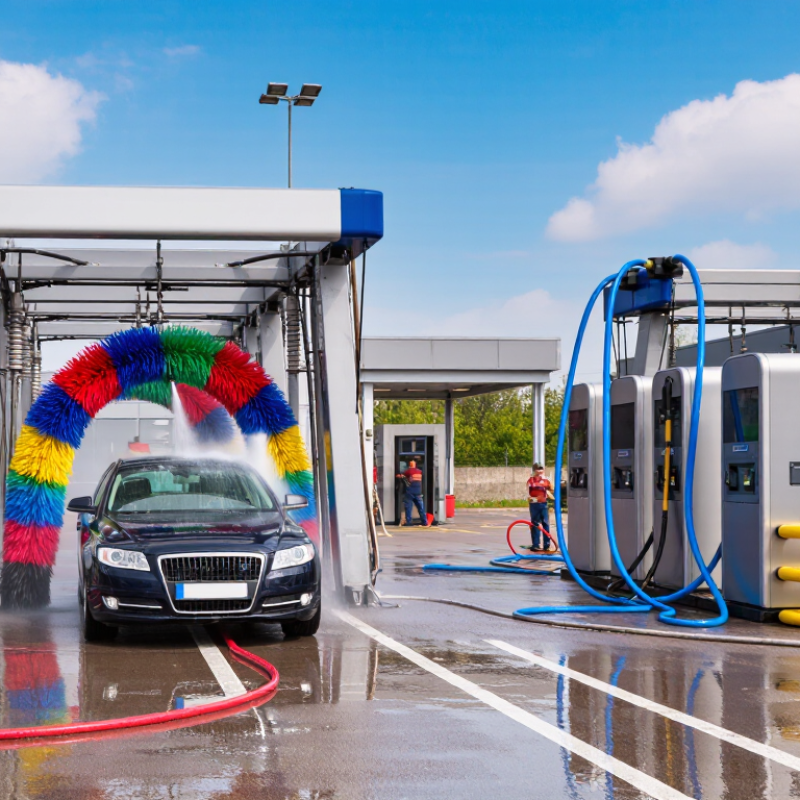
Commercial car wash equipment works best as a coordinated sequence, not a collection of machines. A vehicle enters through a clear lane, where guides and sensors help position it safely. Staff may remove loose dirt from mirrors, wheels, and heavily soiled panels before the main wash. That small step can reduce missed spots.

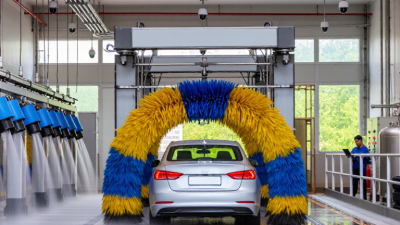
Next, a conveyor or in-bay system moves the vehicle through controlled stages. A high-pressure rinse loosens grit; foam applicators spread detergent across the body. Soft brushes or touch-free jets then clean surfaces, while dedicated wheel equipment targets brake dust and road grime. Rinse arches remove soap before dryers direct air along windows and body panels. Timing matters. Too little rinse can leave residue, while excessive pressure may not improve cleaning. Actual settings depend on water quality, vehicle flow, and the soil entering the site.

Behind the visible wash, pumps, filters, chemical dosing equipment, and water-recovery systems keep the process consistent. Operators should check nozzles, brush condition, leaks, and filter buildup on a regular schedule. A dryer that sounds normal may still have a blocked outlet. That is easy to overlook. Reviewing wash results and maintenance logs helps teams spot recurring problems and adjust the equipment sequence without guessing.
7 Best Auto Car Wash Equipment for Businesses

How commercial car wash equipment fits into the washing process

The chart shows indicative active time per vehicle for common wash stages, not a guaranteed cycle time. Actual timing varies with conveyor speed, vehicle condition, wash package, and equipment setup. Typical equipment includes a chemical applicator for pre-soak, high-pressure arches, foam or friction applicators, rinse arches, and a blower system.

Key Criteria for Evaluating Equipment for Business Use

7 Best Auto Car Wash Equipment for Businesses

Key Criteria for Evaluating Equipment for Business Use

Choosing equipment starts with the work your site must handle. Estimate peak-hour vehicle volume, available bay space, and the mix of vehicle sizes. A pump that keeps pressure steady during a rush matters more than an impressive maximum rating. Check service access, parts availability, and expected maintenance intervals; a small repair can stall a whole lane. Fit matters.

Compare water and energy use across complete wash cycles, not isolated components. The U.S. Department of Energy’s 2021 Industrial and Commercial Motor System Market Assessment estimates motor-driven systems use about 54% of U.S. manufacturing electricity. It is a broad industrial benchmark, not a car-wash estimate, but it shows why pump and dryer efficiency deserve attention. DOE’s Compressed Air Sourcebook also notes that leaks can waste 20–30% of compressor output. Ask suppliers for measured consumption, warranty terms, and noise data under operating conditions. A low purchase price can still become costly; operators sometimes underestimate upkeep.

Tips: Test the equipment with your actual vehicle mix before committing. Watch a full cycle, check reach around mirrors, and time loading and unloading. Measure first. Keep a simple log of water, power, downtime, and repair costs; imperfect records are still better than guesswork.

Seven Essential Types of Auto Car Wash Equipment

Choosing among the seven essential types of auto car wash equipment starts with the site and expected traffic. A conveyor tunnel moves vehicles through several cleaning stages, making it useful for steady, high-volume operations. An in-bay automatic system washes one parked vehicle at a time and can suit a smaller footprint. Self-service pressure-wash bays give customers control over rinsing, foaming, and cleaning hard-to-reach areas. Each layout needs enough space for safe vehicle movement and routine maintenance.

Chemical delivery systems meter soap, wax, and other wash solutions. Accurate dosing helps prevent waste and uneven results. Water treatment and reclamation equipment filters or reuses suitable wash water, while keeping sediment from building up in pipes. Drying equipment uses directed airflow to reduce water spots and lingering droplets. Small details matter. No setup is perfect.

Controls and payment systems manage wash selections, timing, and transactions. Clear instructions can reduce customer confusion, especially during busy periods. Staff should check pumps, filters, nozzles, and dryer airflow on a regular schedule. A weak spray may come from a clogged nozzle, not a failing pump. Not every business needs all seven types; matching equipment to local demand, water conditions, and available space takes careful evaluation.

How Wash Formats and Customer Volume Shape Equipment Choices

Choosing auto car wash equipment starts with the wash format, not the equipment list. A self-service site needs durable bays, pressure-wash systems, chemical dispensers, and payment controls customers can understand without help. Small details matter. A hose that twists near the boom can slow a busy bay. In-bay automatic systems need a gantry, dryers, water treatment, and clear vehicle-positioning cues. Conveyor operations move more cars but require synchronized conveyors, sensors, reclaim systems, and safe loading space. More automation can raise throughput, but it also adds maintenance points.

Customer volume should guide capacity, not just peak-day ambition. Track cars per hour, average queue length, and seasonal changes before sizing pumps, dryers, and reclaim tanks. A rural wash with steady, modest demand may suit simpler equipment and easier service access. An urban site facing weekend surges may need faster cycles, backup components, and staging space beyond the pay lanes. Queues build fast. Oversizing can leave capital idle, while undersizing creates delays and rushed staff. Forecasts deserve another look after opening; early estimates can be wrong. Ask suppliers for cycle-time data under your water pressure, utility limits, and vehicle mix. Compare service intervals as carefully as purchase price.

7 Best Auto Car Wash Equipment for Businesses: How Wash Formats and Customer Volume Shape Equipment Choices

Equipment fit depends on site layout, wash package, staffing, local water rules, and peak-hour demand. Throughput figures below are indicative operating ranges, not guaranteed capacities.

Equipment Best-Fit Wash Format Indicative Throughput How Customer Volume Shapes the Choice Key Planning Considerations
Short conveyor tunnel system Compact express exterior wash About 30–60 vehicles per hour, depending on tunnel length, package, and operating pace Suitable for steady demand where a site needs more capacity than a single in-bay automatic can typically provide. Requires a conveyor, vehicle loading area, sufficient queue storage, and a building layout designed for continuous vehicle flow.
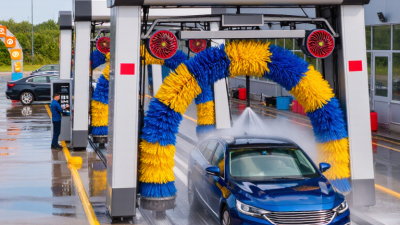
High-capacity conveyor tunnel system Express exterior or full-service conveyor wash About 60–120 vehicles per hour in suitable, well-managed configurations Best considered when peak demand is high enough to support continuous loading and efficient use of a longer tunnel. Allow for tunnel length, site circulation, staffing, drying capacity, and safe separation of loading and exit traffic.
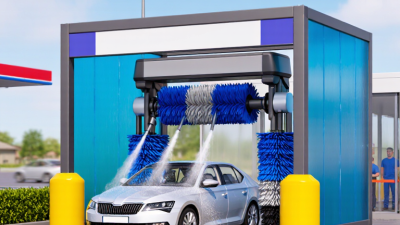
Friction in-bay automatic system Rollover wash at a fuel station, convenience site, or standalone bay Roughly 8–15 vehicles per hour per bay, depending on cycle time and customer turnover A practical option for moderate demand when a business wants automated service without building a conveyor tunnel. Confirm bay dimensions, vehicle-clearance requirements, cycle duration, and how cars will queue without obstructing other site activity.
Touchless in-bay automatic system Rollover wash for customers who prefer a wash without contact brushes Roughly 6–12 vehicles per hour per bay, depending on wash program and cycle time Often better suited to lower or moderate volume than a high-throughput tunnel; longer wash programs can limit peak-hour capacity. Performance depends on properly maintained spray equipment, water pressure, chemical application, and a clear explanation of wash-package results.
Self-service bay equipment Coin- or card-operated self-service wash bays Approximately 3–6 customer sessions per hour per bay, depending on average visit length Multiple bays can spread demand across customers and reduce reliance on a single automatic wash unit. Plan for bay count, payment controls, high-pressure equipment, hoses, drainage, freeze protection where needed, and routine upkeep.
Vehicle drying system Conveyor and in-bay automatic washes Must match the capacity of the wash equipment it serves At busy sites, inadequate drying capacity can slow vehicle flow or create a bottleneck after the wash cycle. Size and position dryers to suit the exit layout; consider airflow, noise, maintenance access, and the intended level of finish.
Water treatment and reclaim system Conveyor, in-bay automatic, and self-service facilities Capacity should be designed around peak water demand and the site's wash equipment Higher-volume operations may benefit from carefully sized reclaim and treatment equipment to manage water use and maintain consistent supply. Check local discharge and reuse requirements, water quality, storage capacity, filtration needs, and maintenance schedules before installation.

Installation, Maintenance, and Operating Needs of Car Wash Equipment

A reliable car wash starts with a site that can support the equipment. Measure the available floor space, ceiling height, vehicle path, and access for service technicians before ordering. Confirm that water supply, drainage, electrical capacity, and ventilation match the equipment specifications. A concrete pad may look ready but still need adjustments for drains or anchoring. Allow room to reach pumps, filters, and control panels after installation. Don’t rush this. A checklist helps, but it will not catch every site-specific quirk.

During installation, have qualified technicians follow the equipment instructions and test each wash stage before opening. Check emergency stops, sensors, spray coverage, and water temperature. Keep the service manual and a simple equipment layout where staff can find them. Small leaks matter. Record the date and details of repairs, even when the fix seems minor.

Daily maintenance can prevent avoidable downtime. Inspect hoses, nozzles, brushes, and floor drains for clogs, wear, or loose fittings. Clean filters as directed, and watch for unusual vibration or changes in water pressure. Operators need practical training on startup, shutdown, cleaning, and safe customer guidance. Review utility use and chemical levels regularly; a sudden change may signal a fault. Peak hours can expose weak points that a quiet test misses, so revisit operating routines after the first few weeks.