What Is the Best Auto Car Wash Equipment in 2026?
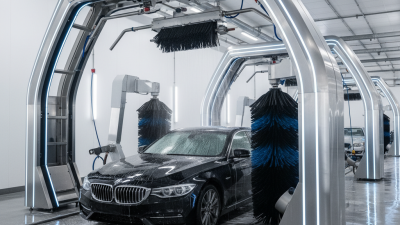
What Is the Best Auto Car Wash Equipment in 2026? The answer depends on your site, customers, water limits, and operating goals. A busy urban tunnel needs fast conveyors, precise chemical dosing, and reliable drying. A smaller wash may benefit from compact in-bay automatic equipment with lower staffing demands. The best choice is not always the most expensive machine.
Industry consultant Eric W. Jones says, “The best system delivers consistent cleaning while protecting water, labor, and customer time.” That principle remains practical in 2026. Modern Auto Car Wash Equipment can include soft-touch arches, touch-free high-pressure systems, belt conveyors, spot-free rinse units, reclaim systems, and intelligent payment terminals. Each component affects the customer experience. A weak dryer leaves mirrors spotted. Poor brush maintenance can damage trust. Excessive water pressure may increase operating costs without improving results.
Details matter.
This guide compares equipment performance, maintenance needs, energy use, water efficiency, safety features, and long-term value. It also considers daily traffic and seasonal demand. A machine that performs well during a quiet test may struggle during a Saturday rush. That is an easy mistake to overlook. Equipment reviews also cannot replace a site inspection, technician training, or honest maintenance records. Buyers should question impressive specifications and request real service data. The right system should clean consistently, recover quickly from faults, and remain manageable for staff. Sometimes, the “best” equipment is simply the system your team can operate correctly every day.
What Is Auto Car Wash Equipment and How Does It Work?
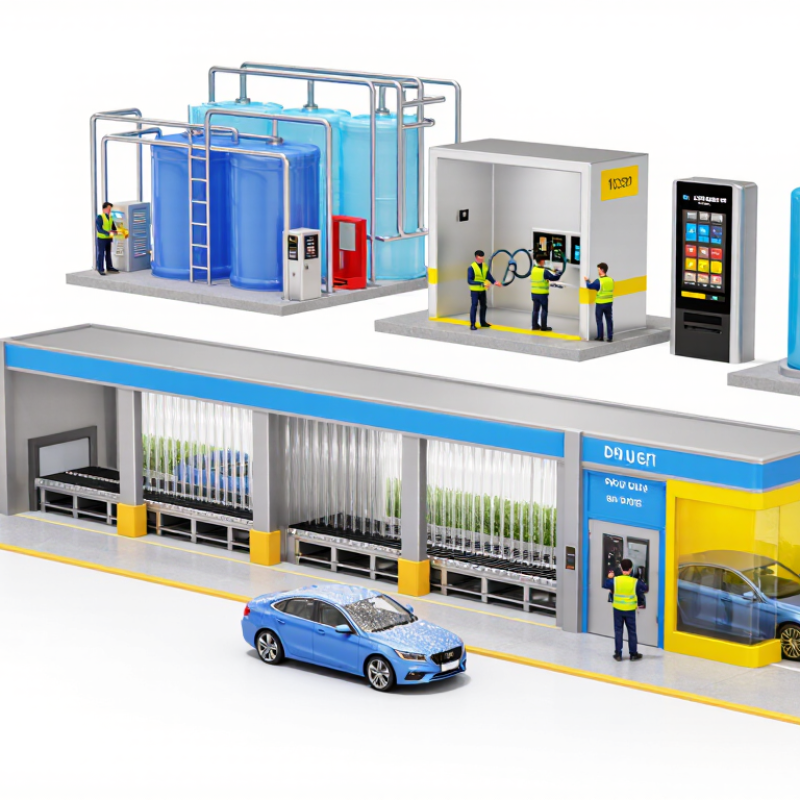
Auto car wash equipment is a coordinated system that cleans vehicles with controlled water, detergent, movement, and drying. Common setups include conveyor washes, in-bay automatic units, and touch-free systems. Each design suits different traffic levels, building layouts, and customer expectations.
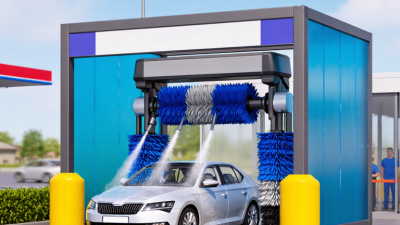
A vehicle enters the wash bay and is positioned by sensors or guide rails. The controller then activates pre-rinse sprays, detergent applicators, and cleaning tools. Soft cloth materials may contact the body, while touch-free units use high-pressure water instead. Rotating brushes, side sprays, and underbody jets remove mud from difficult areas. Powerful air dryers then push water from mirrors, windows, and panel gaps. Some systems filter and reuse water, reducing daily consumption. That process needs careful testing.
From practical maintenance experience, sensors and pumps often affect performance more than the visible brushes. A blocked nozzle can leave dirty stripes. Incorrect pressure may damage trim or miss road film. Operators should inspect hoses, filters, emergency stops, and chemical levels every day. Preventive maintenance also protects drying quality and reduces unexpected downtime. The best equipment in 2026 is not automatically the fastest model. It should match vehicle volume, available space, water conditions, labor skills, and service access. A system that looks advanced may still disappoint when replacement parts are difficult to obtain. Weather creates another weakness. Cold temperatures, dust, and hard water can change results, even when the equipment settings remain unchanged.
Which Types of Auto Car Wash Equipment Are Available in 2026?
In 2026, the best auto car wash equipment depends on traffic, site size, labor, and cleaning expectations. Several equipment types are available. In-bay automatic systems wash one vehicle at a time inside a fixed bay. They may use soft brushes or touchless high-pressure water. Touchless equipment protects delicate paint surfaces, but it may struggle with dried mud. Soft-cloth systems often remove heavier dirt more effectively. Results can vary.
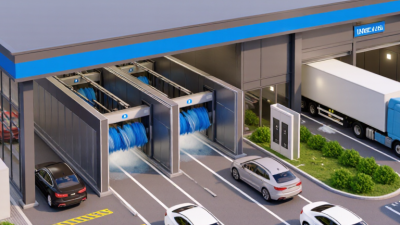
Conveyor tunnel systems move vehicles through several stations. A typical line may include pre-rinse arches, foam applicators, brushes, dryers, and tire cleaners. They suit busy locations with steady traffic.
Self-service bays offer spray wands, foam brushes, vacuums, and payment controls. They require less automated machinery, but customers perform the cleaning themselves.
Hybrid systems combine manual tools with automatic washing. Water recycling units, air compressors, chemical dosing pumps, and water treatment equipment also support modern operations. These details are easy to overlook.
Tips: Check daily water pressure and inspect nozzles for blockage. Keep brushes clean and replace worn parts quickly. Measure drying performance near mirrors and license areas. Leave enough space for safe vehicle movement. Energy-efficient motors and water recovery can reduce operating costs, though installation may be expensive. Ask technicians for service records, not only sales claims. Test equipment with different vehicle sizes before making a final decision. Mistakes happen. Planning should allow for them.
How Do You Compare Equipment Performance, Cost, and Efficiency?
What Is the Best Auto Car Wash Equipment in 2026?
Equipment performance should be measured beyond wash speed. Track cars per hour, uptime, drying quality, chemical use, and rewash rates. A faster tunnel can still lose money if sensors miss dirt or dryers leave water marks. The International Carwash Association reports that professional washes typically use about 40 gallons of fresh water per vehicle, while reclaim systems can reduce freshwater demand significantly. However, results depend on maintenance, local water quality, and operator settings. Numbers can mislead.
Cost comparison needs a wider view. Include purchase price, installation, electricity, water, chemicals, labor, repairs, and equipment downtime. The U.S. Department of Energy identifies motors, pumps, compressors, and heating systems as major commercial energy loads. Variable-speed drives may reduce energy use, but savings depend on correct sizing and operating hours. A low-cost machine is not automatically efficient. I have seen cheaper systems become expensive after repeated nozzle replacements and weak drying performance.
Tips: Request twelve months of service records. Measure water use per vehicle. Test drying on dark vehicles. Compare warranty response times. Ask for independent field data, not only showroom demonstrations. Leave room for uncertainty. Local utility rates can change the payback period, and projected savings may look too optimistic without real operating data.
What Features Define the Best Auto Car Wash Equipment?
The best auto car wash equipment in 2026 is not simply the fastest machine. It should deliver consistent cleaning, safe vehicle movement, and predictable operating costs. In site evaluations, I examine the full wash path, from wheel alignment to final drying. A strong system uses accurate sensors to detect vehicle position, height, and unusual obstacles. Small errors matter. A poorly placed sensor can leave mirrors wet or stop a busy lane.
Brush or cloth materials should clean firmly without trapping grit. Adjustable pressure helps protect delicate paint and different vehicle shapes. High-quality dryers need focused airflow, not just louder motors. Water recycling can reduce waste, while effective filtration keeps reused water from marking surfaces. Chemical dosing should remain stable during peak demand. Operators need a clear control panel, emergency stops, and accessible maintenance points. These details improve safety and reduce avoidable downtime.
Reliable equipment also records cycle times, faults, water use, and service needs. That data helps managers identify repeated problems before customers notice them. Remote alerts are useful, but they should not replace trained on-site checks. I have seen automation hide a simple clogged filter. Regular inspection still wins. The best choice also fits the building, climate, traffic pattern, and staff skill level. A compact tunnel may outperform a larger one when space is tight. No machine is perfect. Test cleaning quality across several vehicle types before committing.
What Is the Best Auto Car Wash Equipment in 2026?
The best auto car wash equipment combines reliable throughput, consistent cleaning quality, efficient water use, fast drying, low maintenance requirements, and strong safety controls.
The chart shows typical operating throughput ranges for common automatic car wash systems. Actual performance depends on vehicle size, wash-cycle settings, site layout, staffing, water-recovery systems, and equipment uptime.
How Should You Choose and Maintain the Right System?
What Is the Best Auto Car Wash Equipment in 2026?
Choosing the right system starts with site conditions, not glossy specifications. An in-bay automatic unit suits limited space and moderate traffic. A conveyor system needs a longer building, trained staff, and steady vehicle flow. Review the International Carwash Association’s water-use guidance before comparing machines. Professional systems often use less water than home washing, especially when reclaim equipment is installed. The U.S. Environmental Protection Agency’s WaterSense research also shows that uncontrolled home washing can waste more than 100 gallons per vehicle.
Measure the entrance, drainage, power supply, and winter operating temperature. Then calculate vehicles per hour, chemical consumption, labor, and service access. A fast machine is not automatically better. If drying leaves mirrors wet, customers notice immediately. Choose stainless components, accessible pumps, simple fault codes, and documented maintenance intervals. The 2024 Global Market Report on automatic car wash equipment identifies automation, water efficiency, and digital monitoring as major investment drivers. Still, market reports can feel too optimistic. Real performance depends heavily on installation quality.
Tips: Keep spray nozzles aligned and inspect brushes daily. Check reclaim filters before peak hours. Record water use per vehicle each week. Replace worn seals early; a small leak can become an expensive floor problem. Test emergency stops monthly. Staff should photograph unusual noise, vibration, or foam changes. Those details help technicians diagnose faults faster. Some operators skip records during busy seasons. That is understandable, but it weakens long-term decisions.