2026 How to Choose the Best Car Wash Machine Equipment?
Choosing the right car wash machine equipment is crucial for any car wash business. Quality equipment affects efficiency and customer satisfaction. Investing in advanced car wash technology can set your service apart. However, the options available can be overwhelming.
Different types of car wash machines cater to specific needs. A touchless system may be ideal for those prioritizing gentle washing. Conversely, a tunnel system offers speed and thoroughness. Understanding your target market helps in making choices. It's wise to consider both budget and long-term maintenance costs.
Many business owners overlook essential details when selecting car wash machine equipment. They might focus solely on price, compromising on quality. This mistake can hinder growth and reduce clientele. It's vital to reflect on these factors and seek expert advice. Ultimately, well-chosen equipment lays the foundation for success in the car wash industry.
Factors to Consider When Choosing Car Wash Machine Equipment
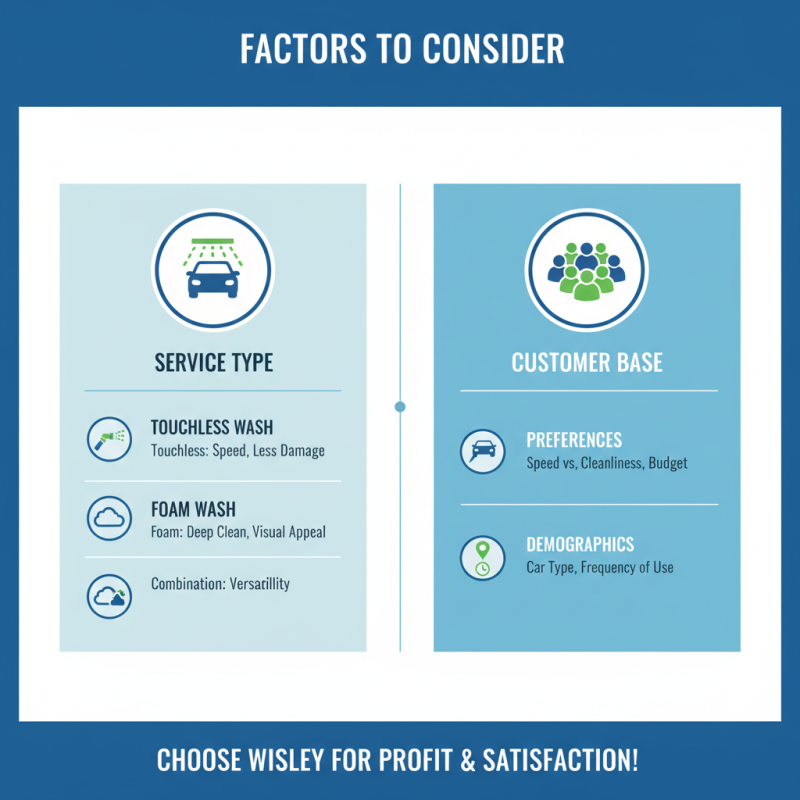
Choosing the right car wash machine equipment is crucial. Several factors can impact your decision. The type of service you plan to offer is a primary consideration. Will it be a touchless wash, foam wash, or a combination? Each option has distinct advantages and limitations. Evaluating your customer base is also necessary. Understanding their preferences will guide your equipment choice.
Cost is another key factor. Not only the initial purchase price but also the maintenance costs matter. Investing in higher-quality equipment may save money in the long run. You might encounter machines with lower up-front costs but higher operational expenses. Assessing the features offered is vital as well. Look for energy efficiency, water usage, and advanced cleaning technologies. This helps minimize environmental impact and operating costs.
Reliability plays a significant role too. Machines should not frequently break down, causing delays and customer dissatisfaction. Research manufacturer reputations and user reviews. Seeking professional advice can also help. However, be cautious. Not all recommendations align with your unique business needs. Reflect on your choices and the long-term vision for your car wash service. Your equipment should support that vision while being economically feasible.
Types of Car Wash Machines: Touch vs. Touchless Comparison
When considering car wash machine equipment, understanding the difference between touch and touchless systems is crucial.
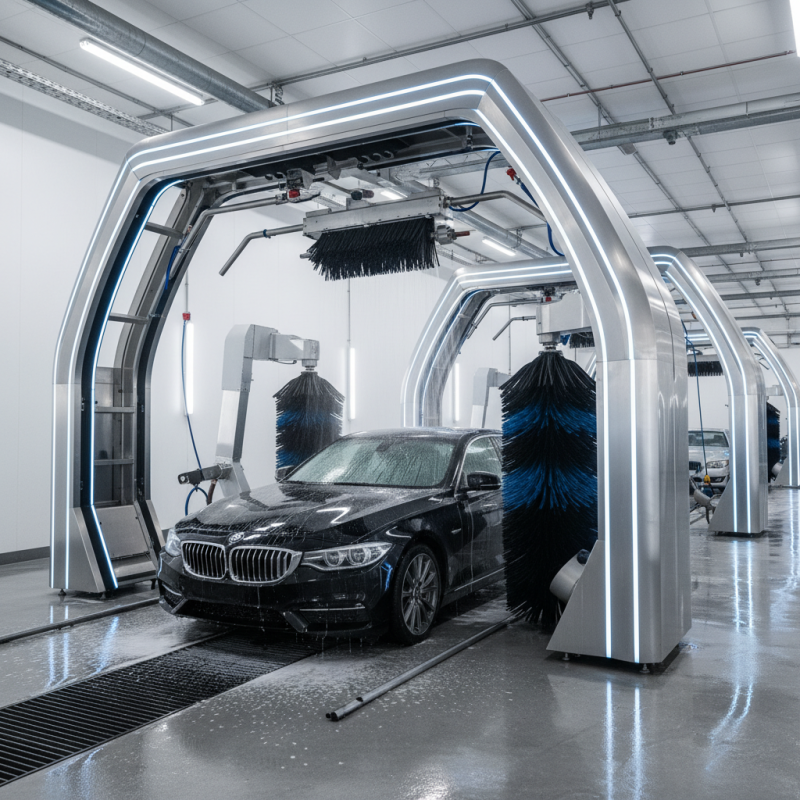
Touch car wash machines use physical brushes or cloths to clean vehicles. They provide a thorough scrub, and many customers appreciate the scrubbing action. However, they can sometimes cause scratches or swirl marks on the paint if not maintained properly. It's essential to choose high-quality cleaning materials to mitigate this risk.
Touchless car washes use high-pressure water jets and specialized detergents to clean cars without physical contact. This method minimizes the risk of paint damage, making it a safer choice for delicate finishes. However, the effectiveness can vary based on the dirt level and type of contaminants. Some users may find touchless systems don’t clean as deeply as touch machines. Balancing safety and cleaning power is key when deciding between these two options.
Both systems have unique advantages and potential drawbacks. Cold weather can impact touchless machines, as icy conditions may limit water pressure. Conversely, touch machines require regular maintenance to prevent wear on their brushes. Car wash owners must carefully analyze their specific needs and limitations, recognizing that no system is perfect.
Evaluating the Efficiency and Cost-Effectiveness of Equipment
Selecting the right car wash machine equipment hinges on efficiency and cost-effectiveness. To evaluate efficiency, consider the water and energy consumption of various systems. Reports show that advanced machines can reduce water usage by up to 80%, which is vital for sustainability. Additionally, energy-efficient models can lower operating costs significantly, decreasing electricity consumption by as much as 50%.
Cost-effectiveness does not stop at purchase price. Maintenance costs and downtime must also be factored in. Regular maintenance is essential for performance longevity, yet these costs can trip some operators. If a machine fails, the wash may suffer, leading to unhappy customers and lost revenue. Some machines can break down more often, raising total expenditure unpredictably.
Statistics reveal that the most reliable units tend to have higher upfront costs but lower lifecycle costs. Investing in quality machinery can yield savings over time. However, operators must weigh these factors carefully. Reading reviews and consulting industry standards can help in making informed decisions. Just remember, what works for one facility may not suit another.
2026 How to Choose the Best Car Wash Machine Equipment?
| Equipment Type |
Efficiency Rating (out of 10) |
Cost (USD) |
Maintenance Cost (Yearly) |
Water Usage (Gallons per Wash) |
| Automatic Roll-over |
9 |
15,000 |
1,200 |
30 |
| Touchless Car Wash |
8 |
12,000 |
800 |
20 |
| Self-Service Wash Station |
7 |
8,000 |
400 |
15 |
| Steam Wash |
9 |
10,000 |
600 |
25 |
| Brush Wash |
6 |
6,000 |
300 |
40 |
Latest Technological Innovations in Car Wash Machines
The car wash industry is undergoing significant transformations. Modern machines now boast advanced features that enhance efficiency and effectiveness. Some models employ touchless technology, reducing the risk of scratches on car surfaces. This innovation aligns with growing consumer demands for superior care.
Environmental concerns are pushing for greener solutions too. High-pressure water jets and effective sensors minimize water usage. Some machines even recycle water for multiple washes. However, the complex systems can lead to maintenance challenges. Regular upkeep is essential to ensure longevity and performance.
Moreover, integrating smart technology provides real-time diagnostics. Users can monitor performance and receive alerts on maintenance needs. Such advancements present new opportunities but require a learning curve for operators. Many find training necessary to maximize these capabilities. Innovation in the car wash sector indeed invites reflection and adaptation from both manufacturers and users alike.
Car Wash Machine Equipment Performance Analysis (2023)
Maintenance and Longevity: Ensuring Your Equipment's Durability
Maintaining car wash equipment is vital for its longevity. Regular inspections can help identify wear and tear. Small issues, if overlooked, may escalate into costly repairs. Create a routine to check seals, hoses, and electrical connections. This can prevent downtime and enhance efficiency.
Consider the water quality used in your car wash. Hard water can cause mineral buildup, affecting performance. Periodically, schedule a descaling process. The investment in maintenance pays off over time. It extends the life of your machines and keeps your service consistent.
Train your staff on proper usage. Misuse can lead to faster deterioration. Encourage them to take care when handling equipment. Documenting maintenance activities can create a reliable history. This promotes accountability and aids in future troubleshooting. Be mindful of any unusual noises or changes in performance. Address them promptly.