Buying a High Pressure Car Wash Machine is not simply a choice between power ratings. Global buyers must examine pressure, water flow, motor durability, nozzle control, and local service support. A machine may advertise 3,000 PSI, yet perform poorly with weak flow or an unsuitable pump. Numbers can mislead.
Mike Stoops, a recognized automotive detailing trainer and product specialist, has said, “The right wash process matters more than chasing maximum pressure.” That practical view deserves attention. Excessive pressure can damage paint, badges, rubber seals, or delicate sensors. A controlled spray, correct distance, and suitable detergent often produce better results. Small details matter.
This Top 10 High Pressure Car Wash Machine guide compares equipment for workshops, mobile cleaners, dealerships, and commercial wash bays. Each model should be judged against its real working environment. Consider voltage compatibility, plug standards, water availability, climate, transport weight, and replacement-parts access. A compact machine may suit a mobile operator, while a heavy-duty unit may better serve continuous daily use. Quiet operation also matters near homes, hotels, and shared facilities.
There is no perfect machine.
Some specifications look impressive but lack long-term field evidence. Others cost more because their pumps, hoses, and service networks are stronger. We will examine those differences carefully, while acknowledging that regional prices and support can change quickly. The best choice is not always the strongest machine. It is the one that delivers consistent cleaning, controlled water use, safe operation, and dependable maintenance over time.
What Defines a High-Pressure Car Wash Machine
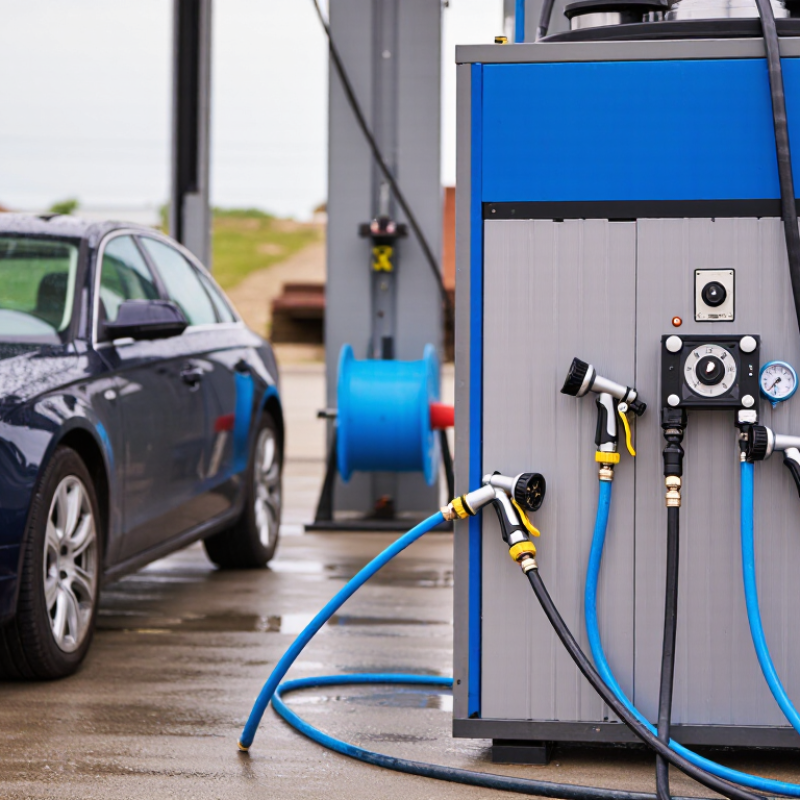
A high-pressure car wash machine combines controlled water force, steady flow, and reliable mechanical protection. Pressure alone does not determine cleaning performance. A unit delivering 2,000 psi with weak flow may clean slowly and leave dirt behind. Buyers should compare pressure and litres per minute together. The right balance removes mud from wheel arches without damaging paint or rubber seals.
In practical inspections, pump construction deserves close attention. Corrosion-resistant materials, strong seals, and an accessible oil chamber can support longer service life. A thermal protection system helps prevent motor damage during repeated washing cycles. A fine inlet filter is also important because sand particles can score internal components. Check the hose, trigger gun, and connectors by hand. They should feel firm, not fragile.
Noise and maintenance matter in real working environments. A machine may look powerful, yet become inconvenient beside homes or busy service areas. Lower noise is not always guaranteed. Ask for tested sound data. Energy use should match daily workload, especially where electricity costs vary. No machine is perfect. I would question any specification sheet promising effortless cleaning, zero maintenance, and permanent durability. Clear service instructions, available replacement parts, and responsive technical support often reveal more reliability than polished advertising. Small details count.
When comparing high pressure car wash machines, pressure is only one part of performance. Working pressure shows cleaning force during operation, while maximum pressure may reflect a short laboratory peak. For routine vehicle washing, compare working pressure in bar or PSI. A machine producing 120 bar continuously may clean more effectively than one advertising 150 bar briefly. Test the spray at the nozzle, not only from the specification sheet.
Flow rate, measured in litres per minute, controls rinsing speed. Higher flow removes loosened mud faster, but it can increase water consumption. Power ratings in kilowatts indicate motor demand, not guaranteed cleaning results. A 2.2 kW motor may suit light vehicle work, while frequent commercial use requires a suitable duty cycle and cooling design. Check voltage, frequency, plug type, and overload protection before buying for another country.
Water consumption deserves a real-world test. Record the litres used on one average-sized car, including pre-rinse and final rinse. A machine rated at 8 L/min could use 80 litres during a ten-minute wash, although trigger pauses reduce actual use. Nozzle size, operator habits, hose length, and inlet pressure change the result. Published figures are not always comparable. That is worth questioning. Field testing remains the more reliable measure.
Top 10 High-Pressure Car Wash Machines for Global Buyers
Choosing among the top 10 high-pressure car wash machines requires more than comparing maximum pressure. A practical buyer checks working pressure, water flow, motor duty, hose length, and nozzle control. For compact workshops, a cold-water electric machine may offer quieter operation and simpler maintenance. Larger sites often need a hot-water unit for oily wheels, underbodies, and winter grime. Trailer-mounted diesel systems can serve remote operations, but they add fuel, noise, and service demands. Touchless systems reduce brush marks, while foam-compatible machines improve chemical coverage. Recovery-ready designs also help manage wastewater responsibly.
In field evaluations, I watch how quickly pressure stabilizes after the trigger opens. I inspect fittings after repeated cycles, not after one impressive demonstration. Small leaks matter. So does an awkward power cable. A machine rated at 200 bar may feel weak if its flow rate is too low. Buyers should match voltage, frequency, inlet water conditions, and replacement-part availability to the destination market. Safety features deserve equal attention, including thermal protection, grounded connections, trigger locks, and clear operating instructions. Certification documents should be verified rather than assumed. No machine is perfect. Even durable pumps need clean inlet water, correct shutdown procedures, and regular seal checks.
Choosing a high-pressure car wash machine requires more than comparing bar ratings. Grand View Research estimated the global pressure washer market at about USD 2.1 billion in 2023, with steady growth expected through 2030. That expansion increases product choices, but also creates confusion. A practical machine should match vehicle surfaces, water availability, voltage, and daily operating hours. Excessive pressure can damage paint, trim, or rubber seals. Pressure matters. Flow rate matters too.
Useful accessories include a foam lance, adjustable nozzle, inlet filter, pressure gauge, and thermal relief valve. A longer reinforced hose improves reach but may reduce handling comfort.
Look for electrical protection suited to wet environments, including residual-current protection and an appropriate enclosure rating. IEC 60335-2-79 provides relevant safety requirements for high-pressure cleaners, while ISO 12100 supports machinery risk assessment. Buyers should still verify local certification rules. Standards are not interchangeable everywhere.
Maintenance separates a reliable machine from an expensive interruption. Flush detergent residue after every shift, clean the inlet filter weekly, and inspect hose couplings for swelling or cracks. Pump oil, where applicable, needs scheduled replacement according to the service manual. Frost protection is essential in cold regions; trapped water can split internal components. In field use, I have seen operators blame the pump when a blocked filter caused poor performance. That mistake is common. Even strong equipment fails when maintenance records are vague. A simple checklist helps, although it will not replace trained inspection.
Top 10 High Pressure Car Wash Machines for Global Buyers
How to Select the Right Machine for Your Market and Application
Choosing a high pressure car wash machine starts with the work, not the catalog ranking. A busy tunnel wash may need continuous-duty equipment, while a small detailing shop often benefits from compact dimensions and lower water use. Check pressure and flow together. High pressure alone can damage paint, trim, or sensitive sensors.
Your market also shapes the specification. Confirm local voltage, frequency, plug design, and available water quality before ordering. Hard water can shorten pump life, so inlet filtration may be essential. In cold regions, select frost protection and proper drainage. In hot climates, inspect cooling performance and hose durability. Ask for test data, wiring diagrams, spare-part lists, and conformity documents required in your destination country.
I have seen buyers focus on maximum pressure and overlook service access. That becomes expensive. A machine with a removable inlet filter, visible oil level, and standard connections is easier to maintain. Measure the wash bay first; a powerful unit may simply not fit. Noise also matters near homes or indoor work areas. In real use, operators may not follow every maintenance step. Design for that reality. The “perfect” specification on paper can fail when water supply fluctuates, training is limited, or replacement parts arrive slowly. Check the warranty terms carefully, and request a practical demonstration with your vehicle type and cleaning chemicals.