10 Tips for Choosing a Self Car Wash Machine?

Choosing the right Self Car Wash Machine is more than comparing prices and stainless-steel panels. It affects cleaning quality, customer flow, water use, maintenance costs, and daily safety. A machine may look powerful under bright showroom lights, yet perform poorly during a busy Saturday afternoon. Real evaluation begins with practical details, not attractive brochures.

This guide shares ten useful tips for comparing machines with greater confidence. It considers pressure, pump durability, wash programs, payment systems, water recovery, electrical requirements, and operator support. Experience matters here. A reliable supplier should explain maintenance intervals, provide clear technical specifications, and offer responsive service after installation. Ask for evidence, including warranty terms, replacement-part availability, and feedback from similar car wash sites. Small details matter.

Some choices remain difficult. The cheapest machine can become expensive when seals fail, pumps lose pressure, or service delays interrupt business. A premium model is not automatically the best option either. That assumption deserves scrutiny. Local water quality, climate, site drainage, customer habits, and available power can change the decision. Even experienced operators sometimes overlook installation costs or underestimate staff training. These tips are designed to reduce those mistakes through careful comparison and realistic planning. Before signing an agreement, inspect the machine’s controls, listen to its operating noise, and imagine repairing it on a wet winter morning. Good equipment should be efficient, understandable, and dependable—not merely impressive.
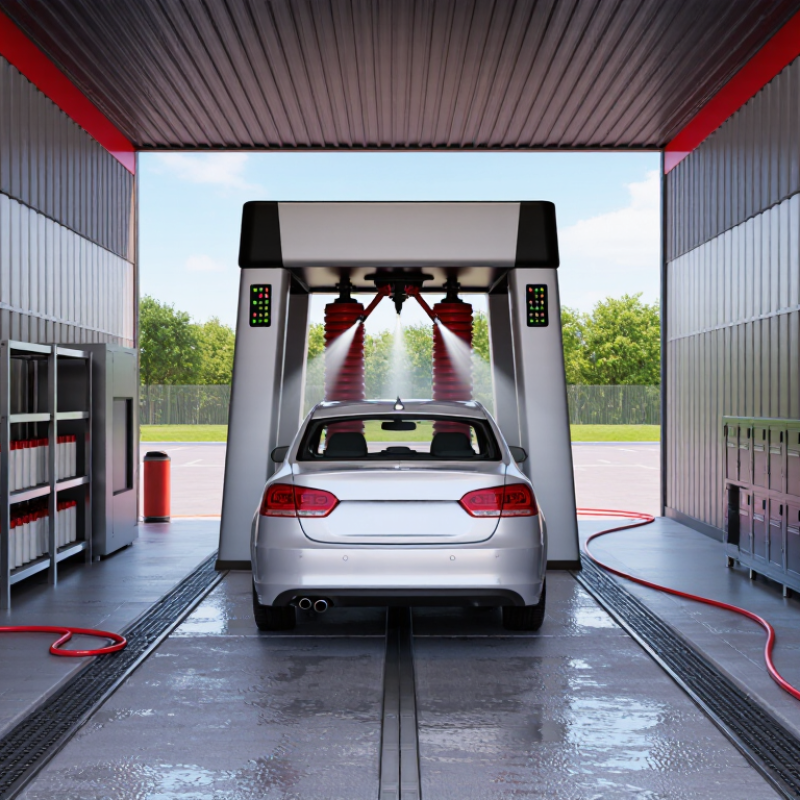
10 Tips for Choosing a Self Car Wash Machine?

Define Your Car Wash Needs and Site Requirements

01

Tip 1 Define your car wash needs before comparing machines. Decide whether you serve private drivers, apartment residents, taxi operators, or a busy roadside audience. Each group creates different demand patterns. Observe traffic for several days. Record peak hours, average vehicle size, and preferred wash times. Guesswork can become expensive.

02

Tip 2 Inspect the site as carefully as the equipment. Measure the available bay length, turning space, ceiling height, and queue area. A large vehicle needs more room than a standard sedan. Check water supply, drainage capacity, electrical access, lighting, and winter protection. I have seen promising layouts fail because customers could not exit comfortably. A simple site drawing often reveals this problem early. Ask a qualified electrician and drainage professional to verify technical conditions.

03

Tip 3 Match the machine to local operating conditions. Hard water may require filtration or regular cleaning. Cold climates may need protected pipes and reliable freeze prevention. Dusty areas can increase filter maintenance. Think about noise, splash control, payment access, and nighttime visibility. Do not choose maximum pressure automatically. Excessive pressure can waste water and damage sensitive surfaces. Leave room for maintenance, even if the current budget feels tight. My own planning mistake was treating service access as an afterthought. It delayed routine checks and reduced daily availability.

Compare Machine Types, Cleaning Functions, and Water Usage

Choosing a self car wash machine starts with water usage, not appearance. The International Carwash Association reports that self-serve washing often uses about 12 gallons per vehicle. By comparison, washing at home may consume nearly 100 gallons, according to the U.S. Environmental Protection Agency. These figures vary with pressure, timer settings, and operator habits.

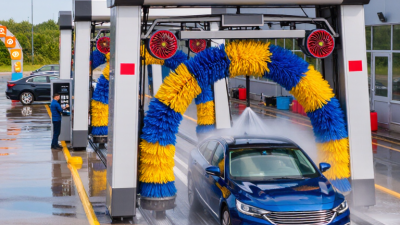
Compare the machine types carefully. Self-service bays offer high-pressure water, foam brushes, wax application, and spot-free rinsing. In-bay automatic units provide faster cleaning, but their rotating equipment may miss wheel edges or heavy mud. Touch-free systems reduce brush contact, yet they usually need stronger chemicals and pressure. Look for adjustable spray pressure, clear program controls, and a reliable wastewater recovery system.

Water recycling matters.

A professional water-use study from the International Carwash Association indicates that reclaim systems can reduce fresh-water demand substantially, depending on filtration quality and local conditions. Ask how many cleaning cycles the recycled water supports. Check whether the final rinse uses fresh, filtered water. A cloudy finish may reveal weak filtration.

Still, published averages are not guarantees. A busy site with careless settings can waste more water than expected. I would test one complete cycle, measure its actual flow, and inspect the vehicle under bright light before purchasing. EPA WaterSense guidance also supports efficient nozzles and controlled shutoff systems for reducing unnecessary flow.

Evaluate Durability, Safety Features, and Ease of Maintenance

A durable self car wash machine should handle repeated use, water exposure, and accidental knocks. Inspect the frame, hose connections, pump housing, and control panel before purchase. Corrosion-resistant materials matter in damp washing bays. So do sealed electrical components.

Ask for a rated duty cycle, not only a powerful pressure figure. A machine that performs well for ten minutes may struggle during busy weekends. Check whether seals, hoses, nozzles, and filters are replaceable. These small parts often determine long-term costs. I once saw a promising unit fail because its hose fitting was difficult to access. Good engineering can still hide poor serviceability.

Safety features deserve equal attention. Look for an emergency stop, protected wiring, pressure relief, and automatic shutoff during faults. Non-slip flooring and clear operating instructions reduce avoidable accidents. Electrical protection should match local safety requirements and professional installation standards. Do not rely on a sales brochure alone. Ask to see inspection documents and maintenance records.

Ease of maintenance saves time between customers. Choose a design with removable access panels, visible filters, and simple drainage points. A weekly inspection should not require specialized tools. Keep a service log for leaks, unusual noise, pressure changes, and damaged cables. Small warning signs are easy to ignore. That is a mistake. Even the best machine needs cleaning, tightening, and occasional part replacement. Consider spare-part availability before installation, because downtime can become more expensive than the original purchase.

10 Tips for Choosing a Self Car Wash Machine

A practical 100-point evaluation checklist focused on durability, safety, and ease of maintenance.

Prioritize corrosion-resistant construction, dependable pressure components, electrical protection, emergency controls, accessible service parts, and clear maintenance documentation. The percentages represent a practical decision-making framework rather than manufacturer or brand survey results.

Review Costs, Payment Systems, Warranty, and Supplier Support

10 Tips for Choosing a Self Car Wash Machine

Review the full cost, not only the machine price. Include installation, water treatment, drainage, electrical upgrades, chemical dosing, and monthly software fees. The U.S. Environmental Protection Agency commonly benchmarks self-service washing near 15 gallons per vehicle, depending on equipment and reclaim systems. That figure helps estimate water expenses, but local utility rates can change the result sharply. A low purchase price may become expensive after one winter.

Payment flexibility also affects revenue. The Federal Reserve’s 2024 Diary of Consumer Payment Choice reported that credit and debit cards represented most consumer payments in 2023, while cash accounted for about 16%. A reliable system should accept cards, contactless payments, and cash where appropriate. Check transaction fees, offline operation, refund controls, and cybersecurity practices. Test the reader with wet hands and poor signal. Small details matter.

Warranty language deserves careful reading. Ask whether coverage includes pumps, hoses, payment terminals, software, labor, and corrosion. Require response times for urgent faults and confirm spare-part availability. Industry surveys from the International Carwash Association consistently identify equipment reliability and downtime as major operator concerns. Supplier support should include remote diagnostics, technician training, and documented maintenance schedules. I would request three operating references, not polished testimonials. Even then, predictions remain imperfect. A supplier may promise fast service, but your distance from its technician network can matter more than the contract.

Verify Installation Requirements and Choose the Best-Fit Machine

Choosing a self car wash machine starts with the installation site, not the machine catalog. Measure the bay length, width, and ceiling height carefully. Leave space for doors, hoses, drainage, and safe customer movement. A few centimeters can create expensive problems later.

Check the required electrical load, water pressure, pipe size, and drainage capacity before ordering. Confirm whether the floor can support the equipment and resist constant moisture. In cold regions, ask about freeze protection and insulated water lines. Local building, electrical, and wastewater rules may also affect the installation. A qualified technician should review these details with you. Do not rely only on a salesperson’s estimate.

I once saw a compact unit placed in a narrow bay. It fit on paper, but maintenance access was nearly impossible. That mistake reduced operating efficiency. Choose a machine that matches your expected traffic, available utilities, and cleaning services. A high-capacity system may waste money at a quiet location. A smaller system may struggle during peak hours. Consider control height, hose reach, payment access, lighting, and emergency shutoff placement. Test the layout with simple floor markings before installation. It is not perfect, but it reveals practical problems early. Keep clear records of utility limits and service intervals for future inspections.