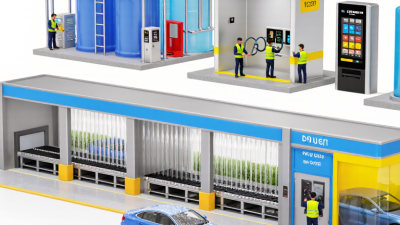
Why Choose Auto Car Wash Equipment?
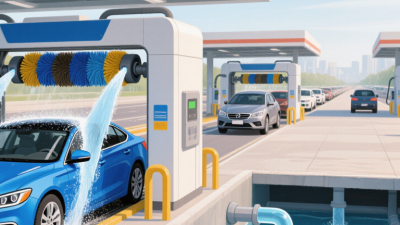
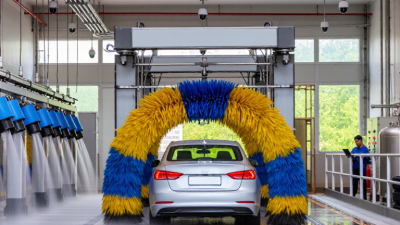
Auto Car Wash Equipment is changing how operators manage speed, consistency, water, and customer experience. A vehicle enters a controlled bay, receives calibrated detergent, passes through spinning brushes or high-pressure arches, and exits visibly cleaner. The process feels simple. The engineering is not.
The International Carwash Association reported that professional car washes served approximately 2.1 billion customer visits in the United States during 2023. IBISWorld also valued the U.S. car wash and auto detailing industry at more than 16 billion dollars in 2024. These figures suggest strong demand, but demand alone does not guarantee profit. Equipment selection, maintenance, site design, and staff training still determine daily performance.
Eric Wulf, former chief executive of the International Carwash Association, stated, “The most environmentally responsible way to wash a vehicle is at a professional car wash.” Modern Auto Car Wash Equipment supports that claim through water recycling, measured chemical dosing, and controlled wastewater handling. Some systems can reduce water use significantly compared with uncontrolled driveway washing, according to ICA environmental guidance.
The advantages are practical. Automated systems shorten queues and produce repeatable results. They also create useful operating data, such as wash times, equipment faults, and chemical consumption. That information supports better decisions.
Still, automation is not magic. Poorly adjusted brushes can mark paint. Neglected filters can weaken cleaning quality. Energy costs may also challenge smaller operators. Choosing equipment requires honest site analysis, not attractive brochures. A strong system should clean efficiently, protect vehicles, and remain serviceable after thousands of washes. That is the real reason to consider Auto Car Wash Equipment.
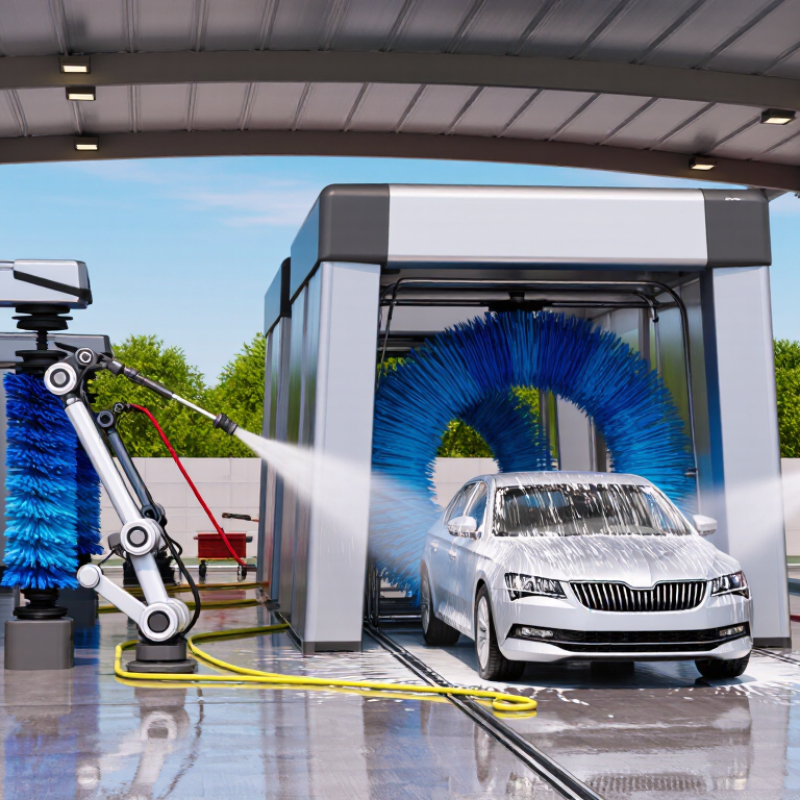
Auto car wash equipment is a connected system that cleans vehicles with limited manual effort. It may include entry sensors, conveyor tracks, rotating brushes, high-pressure arches, foam applicators, dryers, and payment controls. Some systems also collect and filter used water for repeated washing. Each component has a specific task, from removing road dust to drying mirrors and windows.
In practical use, the equipment must match the site, vehicle flow, and cleaning method. Sensors help control distance and movement, while adjustable pressure reduces the risk of paint or trim damage. Regular inspections matter. Worn brushes, blocked nozzles, or weak dryers can quickly affect the customer’s experience. It is not magic. Equipment still needs trained supervision, clear cleaning procedures, and accurate maintenance records. I have learned that speed can hide small faults until they become expensive problems.
Tips: Check brushes and spray nozzles every day. Test emergency stops before opening. Keep chemical settings within the equipment maker’s guidance. Watch one complete wash cycle from inside the bay. This simple habit can reveal unusual noise, water leaks, or uneven drying. Also, review the system after busy periods, because heavy traffic can expose weaknesses that quiet testing misses.
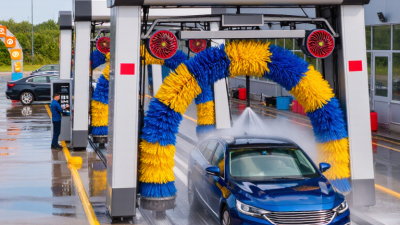
Why Choose Auto Car Wash Equipment?
How Does Auto Car Wash Equipment Work?
Auto car wash equipment turns a vehicle into a controlled sequence. The driver selects a wash package at the payment station. Sensors measure vehicle height, width, and position. A conveyor then moves the car through each cleaning stage. Touch-free systems use high-pressure water and chemical dosing. Soft-cloth systems add rotating brushes for physical contact. Both designs rely on programmable controllers and timed valves.
Water flow is carefully managed. Pumps deliver water to pre-soak arches, side nozzles, and rinse bars. Detergent loosens road film before stronger rinsing begins. Final rinsing may use filtered or spot-free water. Dryers then push air across glass, mirrors, and body panels. According to U.S. EPA WaterSense guidance, efficient commercial systems can use about 40 gallons per vehicle. Home washing may consume more than 100 gallons. Recycling tanks can reduce freshwater demand further, although maintenance quality matters.
Tips: Check nozzle alignment every day. Inspect filters, belts, and chemical lines weekly. A small pressure loss can leave visible dirt. Operators should also record water use per vehicle. International Carwash Association guidance treats water efficiency as an important operating measure. Still, automation is not perfect. Sensors may misread unusual vehicle shapes. Brushes can miss deeply packed mud. Human inspection remains useful, especially after installation changes.
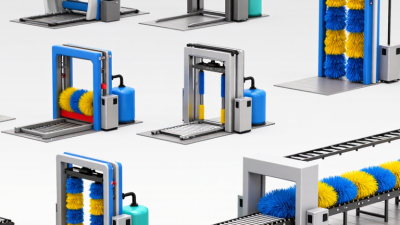
Choosing auto car wash equipment can improve washing speed, consistency, and customer convenience. The right system depends on site size, traffic, water access, labor, and cleaning expectations. A busy roadside location may need rapid processing. A smaller facility may value lower installation demands. Numbers matter, but real vehicle flow matters more.
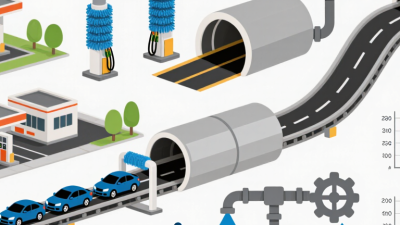
Conveyor tunnel systems move vehicles through several cleaning stages. Brushes, foam arches, rinse bars, and dryers operate in sequence. They suit locations serving many vehicles each hour.
In-bay automatic systems keep the vehicle stationary while equipment moves around it. They need less space and can fit beside fuel stations or compact service areas.
Touchless systems use high-pressure water and detergents without physical brushes. They reduce contact with paint, but stubborn dirt may require stronger chemical control or an extra rinse.
Each type has practical weaknesses. Conveyor systems require careful alignment, regular inspections, and trained attendants. In-bay systems can create queues when one wash cycle takes longer than expected. Touchless equipment may consume more water and energy during heavy soil removal. I have found that operators sometimes choose touchless equipment for its gentle image, then underestimate chemical costs. That assumption deserves review. Water recycling, drainage design, dryer performance, and emergency shutoff controls should be checked before purchase. Clear maintenance records and supplier training also support safer, more reliable operation.
Why Choose Auto Car Wash Equipment?
Auto car wash equipment provides measurable benefits for busy vehicle-washing facilities. It controls water flow, detergent application, and brush movement with consistent timing. This consistency helps reduce uneven cleaning and limits avoidable chemical waste. A trained operator can also serve more vehicles during peak hours without repeating every washing step manually.
Modern systems use sensors to detect vehicle position, height, and movement. These features support smoother operation and reduce contact risks when equipment is correctly installed. Many facilities can monitor water pressure, motor performance, and cycle errors from a control panel. Maintenance teams gain clearer information instead of relying only on unusual sounds or visible damage. That saves valuable inspection time.
The customer experience can improve, too. A predictable wash cycle takes less guesswork, while guided lanes help drivers position their vehicles safely. Some equipment supports water-recovery processes, which may lower fresh-water demand when local conditions allow. However, automation is not maintenance-free. Sensors need cleaning, moving parts require inspection, and poorly adjusted equipment can still cause delays or surface marks. In real operations, small issues often appear during busy periods. Regular staff training and documented checks remain essential, even when the system seems reliable.
Why Choose Auto Car Wash Equipment? What Factors Should You Consider Before Choosing One?
Choosing auto car wash equipment requires more than comparing purchase prices. The International Carwash Association’s 2023 consumer research indicates that nearly three-quarters of U.S. drivers use professional car wash services. Demand exists, but customer expectations differ by location. A busy urban site needs high throughput. A smaller site may benefit from compact equipment and lower maintenance costs.
Water use deserves close attention. The U.S. Environmental Protection Agency reports that professional systems can use about 15 to 60 gallons per vehicle, depending on equipment and wash design. Water reclamation can reduce fresh-water demand, but it adds filters, tanks, and servicing. Energy consumption matters too. Grand View Research identifies automation, water efficiency, and convenience as major car wash market trends. Still, predicted growth does not guarantee local profit. Traffic counts, labor availability, drainage, and winter conditions can change the result.
Tips: Compare total ownership cost, not only the equipment quote. Ask for verified throughput, water use, repair intervals, and spare-part availability. Test noise and drying performance with different vehicle shapes. A larger system may look impressive. It may also create unnecessary complexity. I would review at least three years of operating assumptions before deciding, because optimistic projections are easy to accept and difficult to correct later.
| Equipment Option | Typical Throughput | Approximate Space Requirement | Water Consumption | Labor Requirement | Best Suited For | Key Advantages | Main Considerations |
|---|---|---|---|---|---|---|---|
| Automatic In-Bay Rollover System | Approximately 8–20 vehicles per hour, depending on the wash program and site layout. | Usually requires a wash bay of about 9–12 ft wide and 22–30 ft long, plus equipment and service space. | Commonly about 20–60 gallons per vehicle before water recycling, depending on rinse cycles and reclaim systems. | Low; one employee can usually manage payment, customer assistance, chemical checks, and routine inspections. | Fuel stations, convenience stores, dealerships, and sites with limited traffic lanes. | Lower installation complexity, compact footprint, and the ability to operate without a full conveyor tunnel. | Vehicles remain stationary while the equipment moves around them, so capacity may be lower during busy periods. |
| Conveyor Tunnel Wash System | Approximately 30–120 vehicles per hour, depending on conveyor length, spacing, wash packages, and loading efficiency. | Often needs a building length of roughly 80–150 ft or more, including vehicle stacking, equipment, drying, and exit areas. | Often about 15–50 gallons per vehicle when high-pressure controls and water recycling are used. | Moderate; employees are commonly needed for loading, customer guidance, payment support, and quality control. | High-volume locations with sufficient land, strong vehicle demand, and predictable traffic flow. | High capacity, consistent vehicle movement, and good opportunities for subscription or unlimited-wash programs. | Requires greater capital investment, more space, careful vehicle spacing, and regular conveyor maintenance. |
| Touchless Automatic Wash System | Approximately 6–15 vehicles per hour, depending on wash duration, pressure settings, and drying time. | Typically similar to or slightly larger than a single in-bay rollover bay because of high-pressure equipment and dryer placement. | Commonly about 25–70 gallons per vehicle, with consumption affected by pressure, spray duration, and reclaim capability. | Low; routine monitoring and periodic cleaning of spray arches, nozzles, sensors, and dryers are required. | Locations serving customers who prefer no brushes or where vehicle-contact concerns are significant. | No direct brush contact with the vehicle surface and flexible wash programs for different vehicle sizes. | Cleaning performance can depend heavily on chemical dwell time, water pressure, nozzle condition, and dryer effectiveness. |
| Friction Automatic Wash System | Approximately 10–25 vehicles per hour in an in-bay configuration; higher capacity is possible in a conveyor layout. | Requires space for rotating brushes, cloth components, vehicle positioning, and safe equipment clearance. | Commonly about 20–55 gallons per vehicle when controlled nozzles and reclaim systems are installed. | Low to moderate; staff must monitor wash media condition, chemical levels, safety systems, and customer loading. | Sites seeking strong cleaning performance and customers who accept controlled equipment contact. | Effective removal of road film and dirt when wash media, pressure, lubrication, and chemical balance are properly maintained. | Brushes or cloth materials require inspection and replacement; poor maintenance can increase the risk of surface marks. |
| Self-Service Wash Bay Equipment | Approximately 4–10 customer washes per bay per hour, depending on payment time and wash duration. | Each bay commonly needs about 12–16 ft of width and 24–30 ft of length, excluding circulation and queuing areas. | Often about 30–60 gallons per wash cycle, depending on user behavior, pressure settings, and program selection. | Low during operation; staff are mainly required for cleaning, restocking, equipment checks, and site supervision. | Rural areas, fleet-oriented sites, price-sensitive markets, and locations with adequate outdoor space. | Flexible customer-controlled services, relatively simple operating procedures, and multiple revenue-generating bays. | Results vary with customer operation; weather exposure, vandalism protection, drainage, and winterization must be considered. |
| Hybrid Automatic and Self-Service Facility | Capacity depends on the number of automatic bays, self-service bays, and traffic-management design. | Requires a larger site but can distribute demand across different service formats and vehicle types. | Water use varies by service; separate metering and reclaim systems can help identify and control consumption. | Moderate; staffing is needed for customer support, site cleaning, equipment monitoring, and preventive maintenance. | Businesses serving mixed customer preferences, commercial vehicles, passenger cars, and different price segments. | Broader customer coverage, diversified revenue sources, and improved flexibility during peak demand. | More equipment types mean higher planning complexity, additional maintenance procedures, and greater utility coordination. |
| Water Recycling and Treatment System | Throughput is determined by the connected wash equipment and the treatment system's rated flow capacity. | Requires dedicated space for storage tanks, filtration, pumps, treatment units, and service access. | Can substantially reduce fresh-water demand when correctly sized, maintained, and approved for local use. | Low to moderate; filters, tanks, pumps, sensors, and treatment components need scheduled inspection and cleaning. | High-volume facilities or regions where water cost, supply restrictions, or sustainability targets are important. | Reduces fresh-water consumption, supports resource efficiency, and may lower long-term operating costs. | Initial cost, water-quality control, odor prevention, local regulations, and compatibility with wash chemicals must be evaluated. |
| Air Compression and Drying System | Drying capacity should match the wash line speed and the number of vehicles processed per hour. | Needs equipment clearance, ventilation, electrical capacity, and safe positioning around the wash exit. | Uses little or no additional water during the drying stage. | Low; routine inspection of filters, belts, motors, nozzles, and safety controls is normally required. | Automatic facilities that want to improve finish quality, reduce manual drying, and maintain consistent service times. | Helps remove surface water quickly and can reduce employee involvement in vehicle finishing. | Noise, energy consumption, airflow design, and dryer positioning affect performance and customer satisfaction. |
Note: The figures shown are typical planning ranges rather than guaranteed specifications. Actual throughput, water use, space, labor, energy demand, and operating cost vary according to equipment configuration, local regulations, vehicle mix, wash chemistry, climate, maintenance quality, and site design.