How to Choose the Best Auto Car Wash System for Your Needs?
Selecting the right Auto Car Wash System can be a challenging task. With various options available, it's crucial to understand your specific needs and preferences. Different systems offer unique features and benefits, making it essential to narrow down your choices.
Consider factors like cost, efficiency, and space requirements. Some systems may be more efficient but come at a higher price. It’s vital to reflect on your budget and long-term maintenance costs. Not every system suits every facility.
You might find that the best system aligns with your business goals or personal use. Researching reliable reviews can further guide your decision. Understanding the strengths and weaknesses of available systems will help you make a choice that truly fits. Finding the perfect Auto Car Wash System demands thoughtfulness and careful evaluation.
Identifying Your Car Washing Needs and Preferences
When choosing a car wash system, it's crucial to identify your specific needs. Understanding your car's finish is vital. A recent industry report states that over 70% of car owners prefer touchless systems to minimize the risk of scratches. However, some vehicles may benefit from traditional brushes, especially those with heavy dirt accumulation. The best choice often hinges on the condition of your vehicle and your washing frequency.
Additionally, convenience plays a significant role. Many consumers gravitate toward automated wash systems. An analysis shows that about 60% of car washes are now automated. This shift highlights the desire for quick services. Yet, some users may miss the personal touch of hand washing. Reflecting on these preferences can impact your decision. Balance the appeal of quick washing with the thoroughness of manual care.
Finally, consider your budget and available space. Some systems can require significant investment. Data indicates that car wash setups can range from a few thousand to over a hundred thousand dollars, depending on features. Assessing your financial limits is essential. Moreover, a smaller facility might not accommodate larger systems effectively, leading to operational challenges. Thoughtful planning and careful consideration will guide you to the best choice for your car wash needs.
Types of Auto Car Wash Systems Available
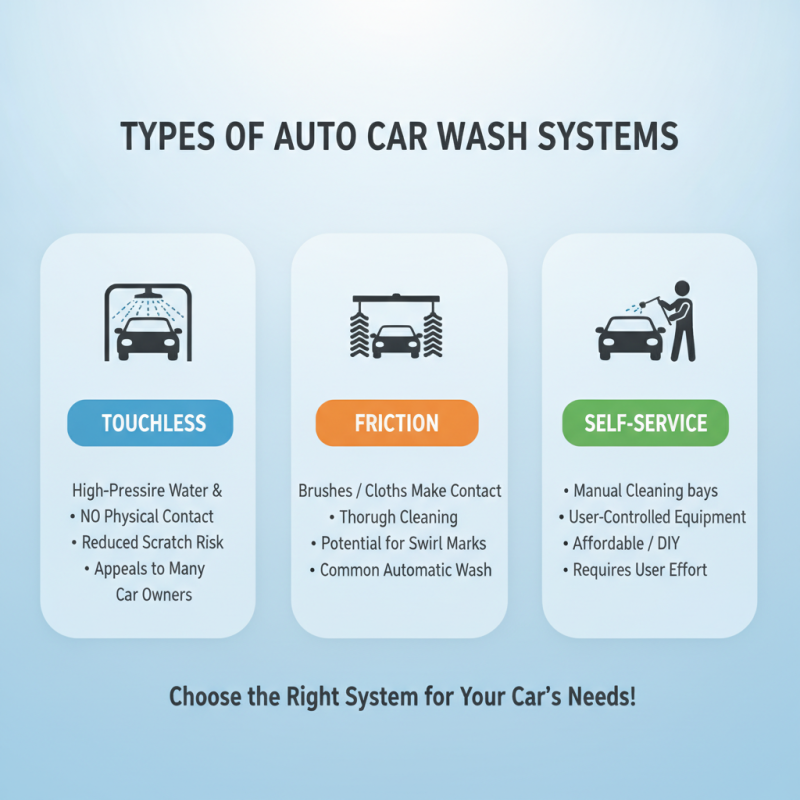
When selecting an auto car wash system, understanding the types available is paramount. There are typically three main categories: touchless, friction, and self-service. Each system offers distinct advantages and drawbacks. Touchless systems utilize high-pressure water and detergents to clean without any physical contact. Research indicates these systems can reduce the risk of scratches, appealing to many car owners.
Friction systems, on the other hand, employ soft cloth materials that scrub the vehicle's surface. According to industry reports, these systems can provide a more thorough clean, but users must consider potential wear on the car’s finish. With an expected growth of 4.2% in the car wash industry by 2025, friction systems maintain popularity due to their effectiveness in removing stubborn dirt.
Self-service options allow customers to wash their own vehicles at their own pace. While this model can save money, it requires commitment. The declining preference for self-service washes in urban areas reflects a shift toward convenience in consumer behavior. Evaluating personal priorities and the condition of the vehicle is essential in choosing the right system. Each type of auto car wash has unique features that must align with user expectations and vehicle care practices.
Evaluating Efficiency and Effectiveness of Different Systems
When evaluating auto car wash systems, effectiveness and efficiency are critical factors. A study by the International Carwash Association found that automatic car washes can remove up to 90% of dirt. Efficiency is measured by water usage, cycle time, and the overall cleaning capability of each system. Many consumers may not realize that touchless washes often consume less water yet may struggle with stubborn grime compared to brushing systems.
Additionally, a report from Statista indicates that consumers prefer car washes that offer quick service without compromising quality. The average duration for an effective wash is under 10 minutes. However, factors like temperature and soap type can impact results. Some users may find that even reputable systems leave streaks or residue. It’s essential to research and gather user reviews to assess such experiences first.
Also, consider the maintenance of the systems. Regular upkeep ensures that the wash system remains effective, as wear and tear can diminish performance over time. Choosing a system with straightforward maintenance requirements can save both time and costs in the long run. Not all systems provide consistent results, so it's vital to weigh the pros and cons based on individual needs and preferences.
Comparative Analysis of Auto Car Wash Systems
Considering Budget and Long-Term Maintenance Costs
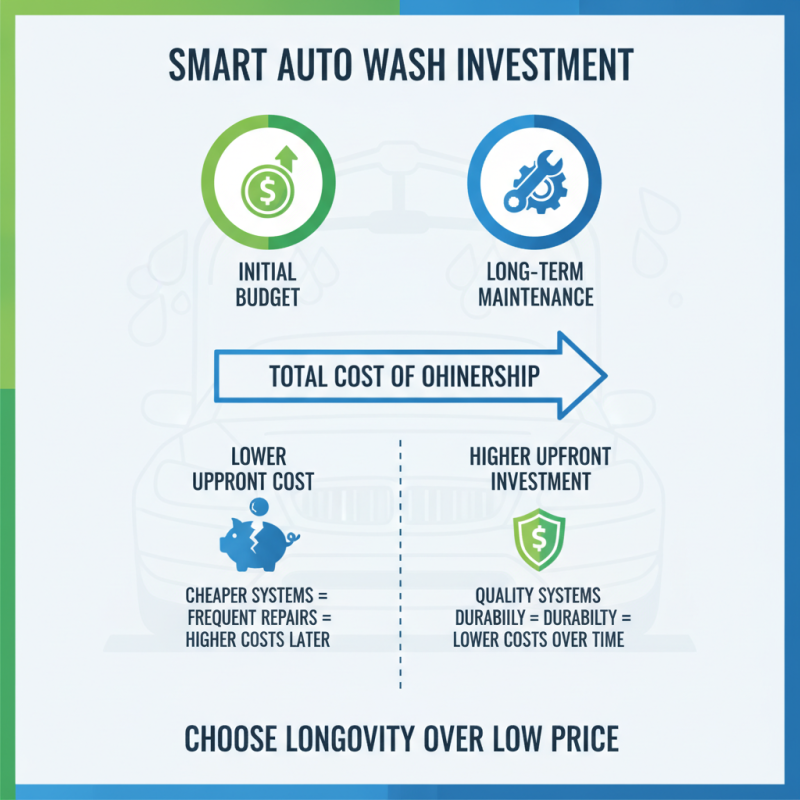
When selecting an auto car wash system, budget and long-term maintenance costs play crucial roles. Many systems come with varying price tags, but the initial cost is just the beginning. It's important to consider the longevity of the machine. Cheaper systems might seem appealing, but they can require frequent repairs. In the long run, this can lead to higher costs.
Additionally, maintenance plays a pivotal role in overall expenses. Basic systems may demand more cleaning supplies, while higher-quality models often include features that minimize required upkeep. A system that seems affordable may not stay that way once you factor in these extras. Reflecting on long-term operational costs is essential. Sometimes, investing in a more reliable system upfront can be wiser.
You should also think about your cleaning frequency. If you wash your vehicle weekly, a durable system pays off faster. On the other hand, if you wash less often, a more modest option might suffice. Balancing your needs with your financial capacity will ultimately guide you to the right choice.
Factors to Assess for Installation and Space Requirements
When considering the installation of an auto car wash system, space requirements are paramount. Evaluate the area you have available for the setup. Measure the dimensions and consider any obstructions, like overhead power lines or nearby buildings. Understanding these spatial constraints will help you select the right system size, ensuring smooth operations.
Assessing the type of soil and drainage is equally important. Some systems need solid ground, while others perform well on gravel. Check local climate conditions too, as they affect system performance. If you live in a place with heavy rainfall or snow, special considerations for drainage capacity will be necessary.
Tips: Always have a backup plan for space limitations. Sometimes designs need adjustments. Consult with a professional installer to identify potential pitfalls early. Make sure you know the local regulations regarding wash systems. This way, you avoid complications that arise during or after installation. An adequate understanding of your space can save time and costs.