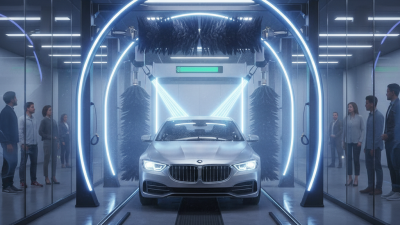
How to Choose the Right Automatic Car Washing Machine for Your Needs?
Choosing the right Automatic Car Washing Machine is crucial for car owners and businesses alike. The car wash industry has seen rapid growth, with a projected market value of over $33 billion by 2026, according to industry reports. An excellent choice can lead to improved customer satisfaction and increased revenue for car wash operators. However, the abundance of options available often overwhelms buyers, making the decision more complex than it should be.
Selecting an Automatic Car Washing Machine requires careful consideration of various factors. Efficiency and durability play significant roles in performance and cost-effectiveness. Studies show that machines with advanced technology can save up to 30% more water compared to traditional models. While many machines promise impressive results, not all live up to expectations. Users often report dissatisfaction due to inadequate cleaning capabilities or excessive maintenance requirements.
The choice markedly affects long-term profitability and environmental impact. Investing in the right equipment leads to fewer resources wasted and a better customer experience. Many businesses overlook their unique needs, resulting in equipment that does not suit their operational demands. By assessing performance capabilities and aligning them with personal requirements, buyers can make informed decisions that yield better returns.
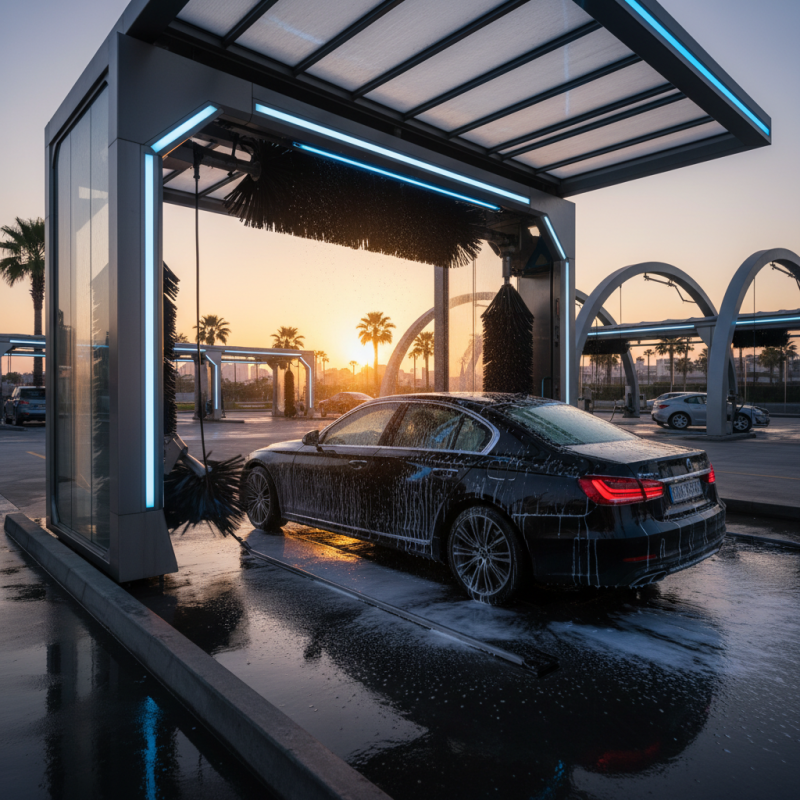
Factors to Consider When Selecting an Automatic Car Washing Machine
Choosing the right automatic car washing machine requires careful consideration of various factors. One of the most critical elements is the machine's cleaning efficiency. Look for models that effectively remove dirt, grime, and stains without damaging the car’s surface. Some machines may not offer thorough cleaning and can leave residues behind, which can affect your vehicle’s appearance over time.
Another important factor is the type of cleaning mechanism used. Some machines utilize brushless technology, while others use brushes. Brushless options generally provide a gentler wash. However, those with brushes may deliver more thorough cleaning in certain cases. Evaluate the surfaces you’ll be washing; some finishes may not withstand aggressive scrubbing.
Tips: Assess the frequency of use and potential maintenance costs. It’s crucial to understand that more features can lead to higher operational costs. Regular maintenance is essential for optimal functioning. Neglect can lead to performance issues. Ensure that you have a plan for cleaning and servicing the machine to prolong its lifespan.
Lastly, think about the available space for installation. Some machines require significant clearance, while others are compact. Reflect on your setting to avoid installation issues down the line. Also, consider user reviews and expert recommendations to help guide your decision.
Types of Automatic Car Washing Machines and Their Features
When exploring automatic car washing machines, it’s essential to understand the various types available. Some machines utilize brushless technology, employing high-pressure water jets to clean the surface without physical contact. This method is effective against dirt and reduces the risk of scratches on the car's exterior. Another option is the traditional brush-type system, which uses soft brushes to thoroughly scrub the vehicle. While these machines can provide a deep clean, they may require more maintenance and can lead to wear over time.
Features to consider include rinse cycles, drying options, and water efficiency. Some automatic washers offer multiple rinse settings, ensuring soap residue is thoroughly removed. Advanced machines also include features like spot-free rinse and blow-drying systems, which enhance the final result. However, the more features a machine has, the higher its cost and complexity. Users should reflect on their specific needs. Is a basic wash acceptable, or is premium care essential for the vehicle?
Installation and space matters. Certain models require more room and power supply. This means checking your garage or parking area dimensions before making a choice. Users often report mixed experiences with different models. It’s crucial to weigh the pros and cons. Researching user reviews and consulting experts can provide valuable insights into reliability and performance.
Evaluating Cost vs. Efficiency: Understanding ROI in Car Wash Equipment
When evaluating the cost versus efficiency of automatic car washing machines, it's crucial to consider the return on investment (ROI). A recent industry report indicated that a well-chosen machine can provide up to 200% ROI in the first year, depending on usage. The cost of equipment is just the beginning; operational efficiency can drastically affect profitability. For example, a machine that processes 30 cars per hour can generate significant revenue compared to one that handles only 15.
Efficiency isn't solely about speed; it also involves water and energy consumption. Data shows that modern machines can reduce water usage by up to 75% compared to older models. This reduction not only lowers utility bills but also demonstrates a commitment to environmental responsibility. However, there’s a catch. Some machines with lower upfront costs can lead to higher maintenance expenses, negating their benefits over time.
Investing in the right technology requires more than just a price tag analysis. It often necessitates a detailed understanding of your market and customer preferences. The wrong choice could cause you to miss potential revenues. It’s essential to weigh short-term savings against long-term gains. Failing to do so might leave a significant gap in expected profits and customer satisfaction.
How to Choose the Right Automatic Car Washing Machine for Your Needs? - Evaluating Cost vs. Efficiency: Understanding ROI in Car Wash Equipment
| Feature |
Entry-Level Model |
Mid-Range Model |
High-End Model |
| Initial Cost |
$10,000 |
$25,000 |
$50,000 |
| Operating Costs (Annual) |
$3,000 |
$5,000 |
$8,000 |
| Average Wash Time |
5 minutes |
3 minutes |
2 minutes |
| Wash Quality |
Basic |
Good |
Excellent |
| Average Daily Washes |
50 |
100 |
200 |
| Annual Revenue Potential |
$75,000 |
$150,000 |
$300,000 |
| Return on Investment (ROI) |
7.5% per year |
6% per year |
4% per year |
Maintenance Requirements and Longevity of Automatic Car Wash Systems
When considering automatic car washing machines, maintenance requirements are crucial for longevity. Most systems require regular inspections every six months to ensure optimal performance. Studies show that machines in top condition can last over ten years. Neglecting maintenance, however, might shorten this lifespan significantly. For instance, replacing worn brushes and cleaning nozzles can prevent more costly breakdowns later.
Routine tasks like checking water connections and inspecting chemical levels are vital. A recent report indicated that regular maintenance could reduce operational costs by up to 15%. Cleaning the undercarriage of the system is also essential to prevent rust and corrosion. If ignored, dirt and debris may damage internal components and lead to expensive repairs.
Tips: Schedule maintenance checks to align with your business calendar. Consider training staff on basic cleaning tasks to keep the machine in good shape. Monitor chemical usage closely to avoid wastage, as imbalances can affect wash quality. A proactive approach not only ensures a consistent wash quality but can also enhance customer satisfaction over time.
Industry Trends: Innovations in Automatic Car Washing Technology
The automatic car washing industry is evolving rapidly. Innovations are transforming how we clean vehicles. New technologies focus on efficiency and user experience. For instance, foam sprayers now provide more effective dirt removal. Smart sensors can detect vehicle size and adjust wash settings accordingly. This reduces water usage and prevents damage.
Another trend is eco-friendly solutions. Many machines use biodegradable soaps and recycling systems. This approach appeals to environmentally conscious consumers. However, some systems may still struggle to fully clean hard-to-reach areas. Users often find that multiple washes are necessary for optimal results.
Moreover, touchless systems are gaining popularity. They minimize the risk of scratches while delivering a thorough clean. Yet, some users report that touchless washes may not always match the traditional methods. There is ongoing debate about which method provides the best results. Car owners need to weigh these pros and cons when deciding on automatic washers.
Automatic Car Washing Technology Trends