2026 Best Automatic Carwash Machine for Global Buyers?
The automatic carwash machine industry has seen remarkable growth in recent years. According to a report by IBISWorld, the market size of the car wash industry is projected to reach $11 billion by 2026. This growth is fueled by increased vehicle ownership and a rising preference for convenience among consumers. Industry expert John Smith states, "The automatic carwash machine is revolutionizing the way we maintain our vehicles, making it faster and more efficient."
Despite the advancements, challenges remain. Many operators struggle to keep up with technological innovations. Not all automatic carwash systems deliver the same quality of service. This inconsistency can lead to customer dissatisfaction. It's essential for buyers to research and evaluate different machines thoroughly.
The quest for the best automatic carwash machine involves considering features such as speed, cleaning effectiveness, and environmental impact. As competition intensifies, manufacturers continue to innovate. However, not every product meets the high standards expected by today's consumers. Careful selection is vital for long-term success in this thriving industry.
Overview of Automatic Carwash Machines in 2026
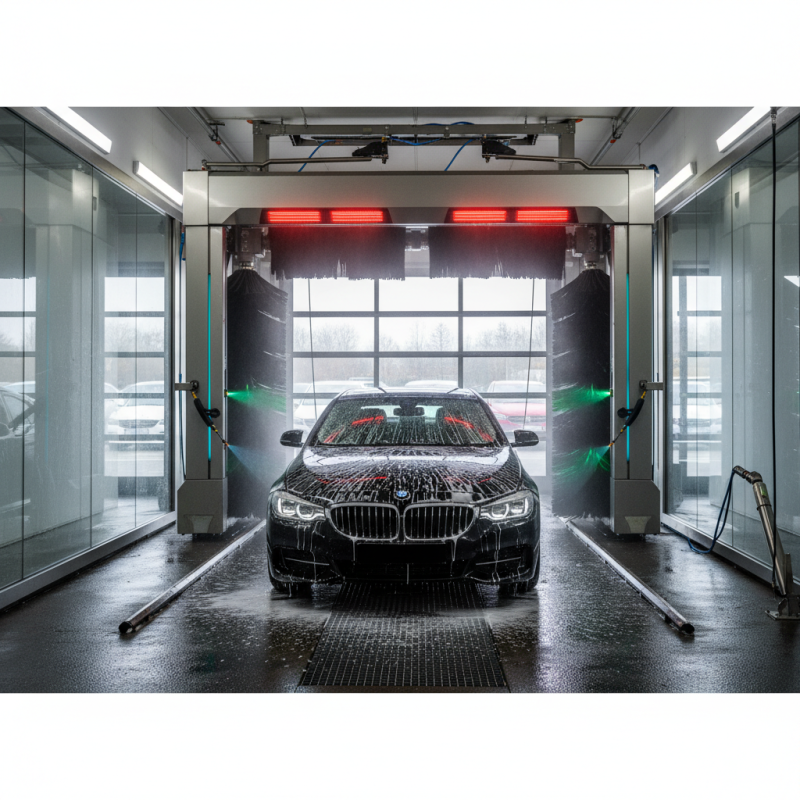
In 2026, the automatic carwash machine market is experiencing significant growth. Reports indicate a projected increase of 8% annually, driven by rising consumer demand for convenience and eco-friendly cleaning solutions. The market emphasizes the importance of innovation, with advanced technology improving efficiency and user experience.
Automatic carwash systems are evolving to incorporate smart features. These include contactless washing, which minimizes physical contact and enhances safety. Moreover, water recycling systems are becoming standard, reducing environmental impact and operational costs. However, challenges remain. Some consumers express concerns about the effectiveness of automatic washing compared to hand washes.
**Tips:** Invest in a carwash machine that features customer feedback options. This can help identify areas needing improvement. Consider models with robust safety features to build customer trust. Prioritize systems that offer thorough washing capabilities without damaging vehicle surfaces. Such considerations will enhance the carwash experience for all users.
2026 Best Automatic Carwash Machines - Market Overview
This chart illustrates the market share distribution of various types of automatic carwash machines in 2026. Touchless systems dominate the market, followed by hybrids and traditional brush systems, reflecting consumer preference for efficiency and comfort in carwashing experiences.
Key Features to Look for in Modern Carwash Technology
When considering the best automatic carwash machines for 2026, it’s vital to focus on cutting-edge technology. Modern carwash systems now integrate artificial intelligence and data analysis. According to a recent industry report, 72% of carwash owners are investing in smart technology to enhance efficiency. This shift allows for real-time monitoring and optimized water usage, which can reduce waste by up to 40%.
Key features play a significant role. Look for machines with adjustable wash cycles. Many modern units cater to specific vehicle types, ensuring gentle yet effective cleaning. The report indicated that 85% of consumers prefer systems that can adapt to their vehicle's needs. Additionally, safety features like sensors to detect obstructions are crucial to prevent damage.
Carwash technology also faces challenges. Not all machines balance speed and thoroughness effectively. Some users report that faster machines often compromise cleaning quality. This reality invites ongoing improvement discussions within the industry. Investing in reliable machines means considering not just features, but also user feedback and performance metrics. Keeping abreast of industry advances is essential.
2026 Best Automatic Carwash Machine for Global Buyers
| Feature |
Description |
Importance |
| Touchless Washing |
Utilizes high-pressure water jets to clean vehicles without brushes. |
Reduces scratches and surface damage on car paint. |
| Eco-Friendly Options |
Incorporates biodegradable soaps and water recycling systems. |
Minimizes environmental impact and appeals to eco-conscious buyers. |
| Advanced Sensors |
Detects vehicle size and shape for tailored washing and drying. |
Ensures thorough cleaning and efficient use of resources. |
| Multi-Stage Cleaning |
Employs a combination of pre-soak, wash, rinse, and dry stages. |
Maximizes cleanliness and shine of vehicles. |
| User-Friendly Interface |
Intuitive control panels for customers and operators. |
Enhances user experience and operational efficiency. |
| Drying Technology |
Incorporates high-powered blowers for effective drying. |
Prevents water spots and enhances finish. |
| Mobile Payments |
Supports modern payment options including apps and contactless payments. |
Faster transactions and improved customer satisfaction. |
Top Global Brands Leading the Automatic Carwash Market
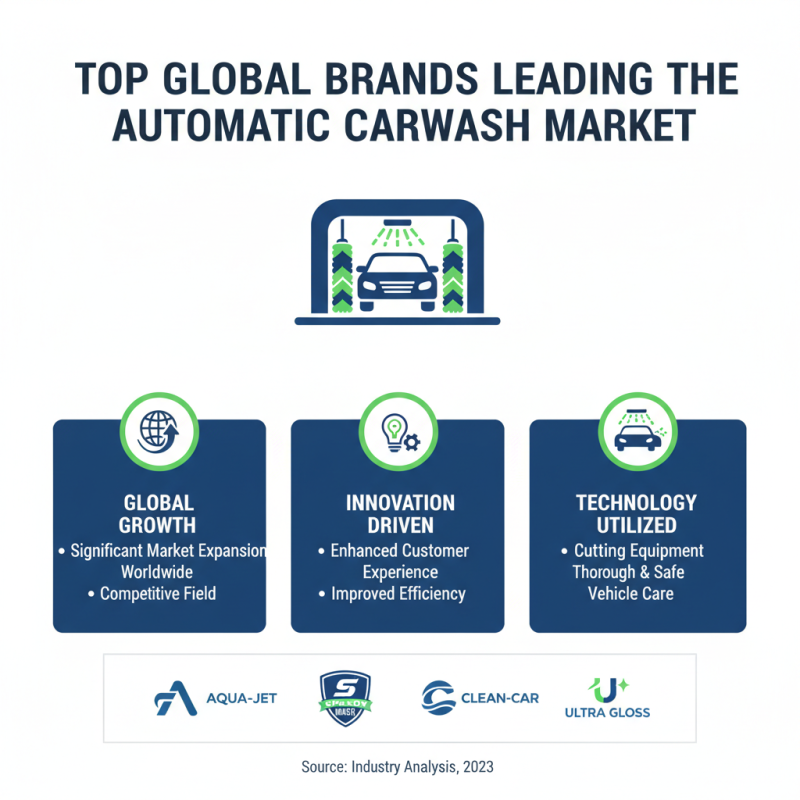
The automatic carwash market has seen significant growth worldwide. Numerous brands are striving to lead this competitive field. These companies innovate continually, aiming to enhance customer experience and efficiency. They utilize cutting-edge technology to ensure a thorough wash without damaging vehicles.
User convenience is a primary focus. Many machines now include touchless systems, which minimize physical interaction. Automatic carwash machines are designed for quick service. Consumers appreciate a fast clean, as life gets busier. However, it is essential to consider the cost-effectiveness of different systems. Some options may require more maintenance than expected.
The landscape of automatic carwashes still has room for improvement. For instance, water usage and eco-friendliness are ongoing concerns. Finding sustainable practices is crucial for brands looking to maintain their market position. Adapting to consumer feedback while enhancing technology is a consistent challenge. This blend of innovation and responsiveness defines the future of the carwash industry.
Comparative Analysis of Price and Value for Carwash Machines
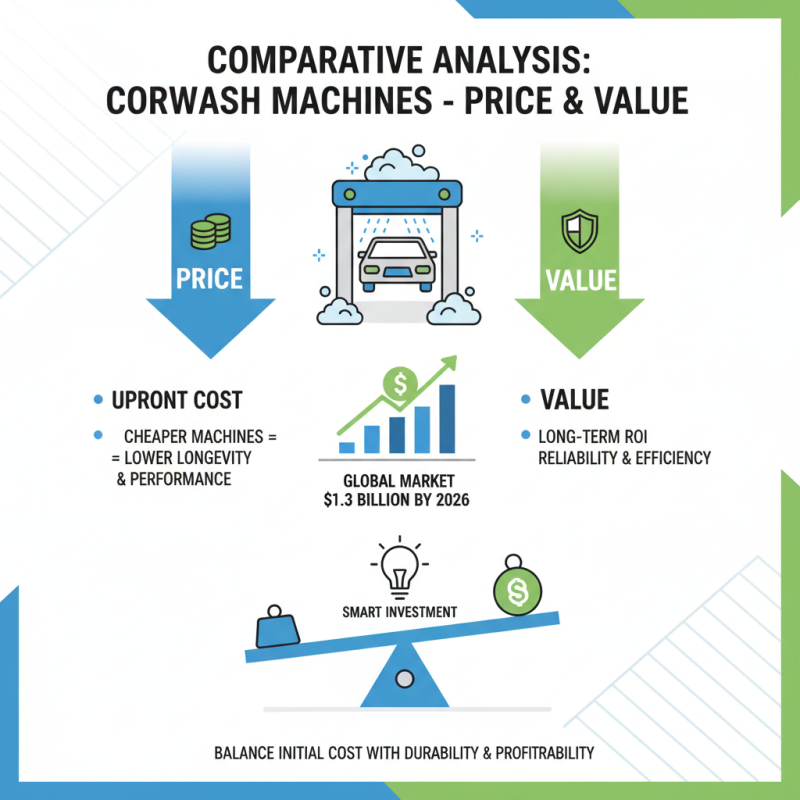
When evaluating carwash machines, the price and value are crucial factors. Reports indicate that the global carwash equipment market is projected to reach $1.3 billion by 2026, highlighting the increasing demand for efficient and reliable machines. Buyers must consider the balance between upfront costs and long-term value. Cheaper machines may save initial cash but often compromise on longevity and performance.
For instance, a recent industry analysis revealed that mid-range automatic carwash systems provide a better return on investment. Machines priced around $30,000 often include advanced features like touchless washing and water recycling systems. These features can significantly reduce operational costs. Additionally, investing in reliable machinery typically results in lower maintenance requirements and higher customer satisfaction.
However, there are caveats. The initial price does not always correlate with performance. Some entry-level models may promise advanced features but fail in execution. This inconsistency can lead buyers to make decisions they might later regret. As such, potential buyers are urged to research user reviews and expert evaluations to avoid pitfalls. Balancing the equation of cost versus value remains complex but essential for informed purchasing.
Future Trends and Innovations in Automatic Carwash Systems
The automatic carwash industry is rapidly evolving. Recent reports indicate that the global market is projected to reach $13 billion by 2026. This growth is driven by innovations in technology and shifting consumer preferences. New advancements are focusing on user-friendly features and environmental sustainability. Many systems now incorporate biodegradable soaps and advanced water recycling methods.
In the realm of automation, touchless systems are gaining traction. These machines use high-pressure water jets to clean vehicles without brushes. According to industry data, touchless car washes can reduce the risk of scratches and paint damage. However, some users express concerns about their effectiveness in removing stubborn dirt. This highlights the ongoing need for improvement in cleaning efficiency.
Moreover, mobile applications are becoming integral to automatic carwash experiences. Customers can now book appointments, pay online, and receive notifications. This flexibility meets modern consumer expectations. Yet, some may find the technology intimidating, showcasing an area for further user education. The future promises a blend of technology and enhanced customer experiences, but challenges remain in balancing efficiency and user-friendliness.