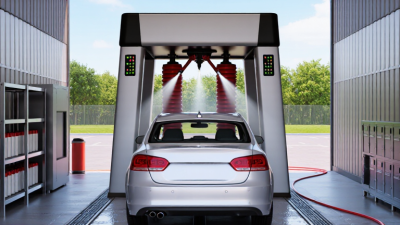
How to Choose a Fully Automated Car Wash System
Choosing a Fully Automated Car Wash system starts with understanding the site, customers, and daily vehicle volume. A compact in-bay unit may suit a neighborhood station, while a conveyor tunnel can serve heavier traffic. The right choice depends on more than the advertised cars-per-hour figure. Check vehicle dimensions, queue space, entry visibility, and room for safe customer movement. Details matter. A narrow approach can slow a capable machine.
Compare wash packages, drying performance, and control options using real operating conditions. Ask suppliers how their systems handle muddy vehicles, winter grime, and uneven customer demand. Review water use, reclaim equipment, detergent requirements, and the maintenance schedule. These details affect operating costs and service consistency. Request references from sites with similar traffic, and, where possible, watch a full wash cycle in person. A polished demonstration is useful, but it does not show every difficult day.
Installation costs are only one part of the decision. Include utilities, staff training, parts availability, warranty terms, and expected downtime in your comparison. Ask who responds when a sensor fails on a busy afternoon. That answer matters. Controls should be clear enough for operators to spot faults without guessing. Do not treat automation as a substitute for routine inspections; brushes, nozzles, and dryers still need attention. Even careful estimates can miss local operating conditions. Compare proposals on the same assumptions, then choose a system your team can maintain reliably—not simply the one with the most impressive specifications.
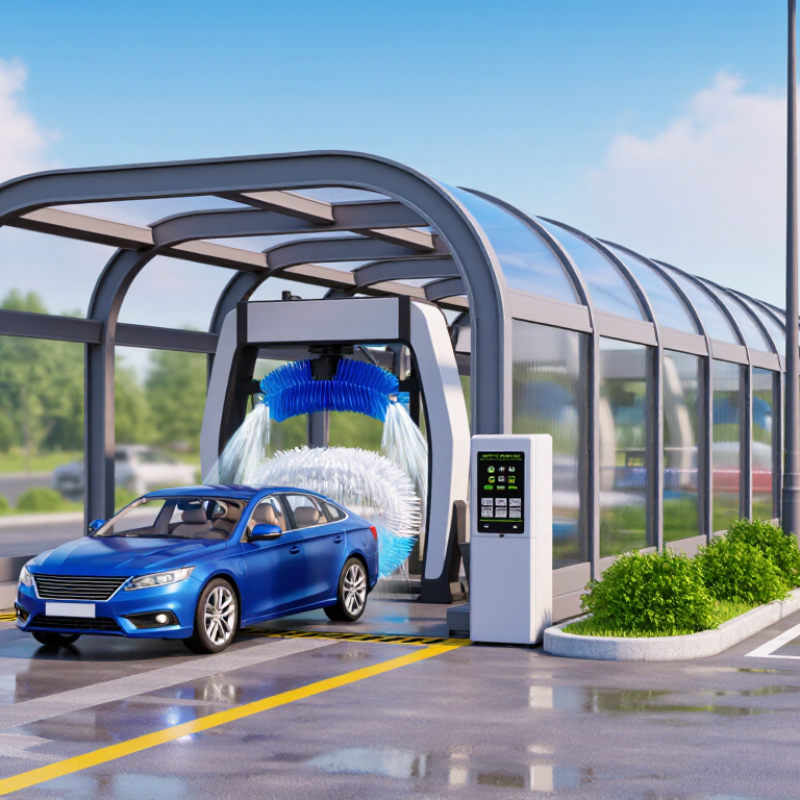
Define Required Capacity: In-Bay Systems Commonly Wash 10–20 Cars per Hour
An in-bay automatic system commonly handles about 10–20 cars per hour, but that range is a planning benchmark, not a promise. Professional Carwashing & Detailing’s industry coverage of in-bay equipment highlights how cycle time and site conditions shape real output. A short wash cycle may suggest higher capacity on paper. The queue tells a fuller story.
Measure arrivals in 15-minute intervals, especially during weekend peaks. If 12 cars arrive in one quarter-hour, a 10-car-per-hour system will struggle, even if quieter periods look manageable. Note vehicle length, payment time, pre-soak needs, and drying time; each can slow the lane. Leave room for variability. Real sites are messy.
Compare the expected peak demand with the system’s tested cycle time, then add a practical buffer for interruptions and seasonal surges. The International Carwash Association’s 2023 U.S. Consumer Study examines professional wash habits and preferences; use such demand research alongside local traffic counts, rather than treating national patterns as a site forecast. Record actual cars washed per hour during a pilot. If the result falls short, revisit the schedule, staffing, and arrival flow before assuming the equipment is at fault.
Compare Wash Formats: Tunnel Systems Can Process 100+ Cars per Hour
A tunnel wash is built for volume. With a moving conveyor, vehicles pass through a sequence of wash arches, brushes, rinses, and dryers. Some systems are rated to process 100 or more cars per hour. That is the headline. Actual throughput depends on vehicle spacing, wash package, payment speed, staffing, and equipment uptime.
Compare that figure with your busiest hour, not your daily average. A tunnel may suit a site with steady traffic and enough room for a safe queue. An in-bay automatic system usually handles cars one at a time, which can fit a smaller lot but limits hourly capacity. Watch the exit, too: if drying or payment slows the line, the tunnel’s rated speed may not matter. Real sites vary.
Ask suppliers to explain how capacity was measured and what assumptions were used. Check conveyor speed, vehicle spacing, peak-hour maintenance plans, and the time needed to clear a queue. A practical site assessment should include turning paths and room for cars waiting without blocking nearby access. Small details count. A tight entrance can undo an impressive throughput estimate. I would not choose on that number alone. The best format is the one your site can operate consistently, even on a busy, imperfect day.
Assess Water Recovery: Reclaim Systems Can Reuse Up to 80% of Wash Water
When choosing a fully automated car wash, look beyond the advertised recovery rate. Some reclaim systems can reuse up to 80% of wash water, but that figure is a potential maximum, not a guaranteed daily result. The International Carwash Association’s 2018 Water Use Study compares water consumption across wash formats, underscoring why a fair assessment needs a wash-specific baseline. Track fresh-water use per vehicle before and after installation.
Reclaimed water usually serves early wash stages, such as the underbody rinse, where slight mineral discoloration may matter less. Final rinses often need cleaner water to reduce spotting on glass and dark paint. Ask how the system filters sediment, manages oil and detergent residue, and signals when maintenance is due. A clogged filter or poorly balanced tank can reduce recovery and affect wash quality. Small details matter.
Tips: Request measured recovery rates from comparable sites, not just a maximum claim. Check the tank and filter access in person. Ask for service records, water-quality checks, and a clear gallons-per-car estimate. Then compare savings with energy, maintenance, and wastewater costs.
Check Site Readiness: Verify Power, Water, Drainage, and Vehicle Clearances
Before choosing a fully automated car wash system, confirm that the site can support its daily operating needs. Check the electrical service against the equipment’s stated load, including startup demand and any pumps or dryers. A qualified electrician can verify capacity and identify where connections should be placed. Small details matter.
Measure the available water flow and pressure during busy periods, not only when other water use is low. Ask the supplier what flow rate and water quality the system requires. Drainage needs equal attention: inspect floor slopes, drain locations, and the route wastewater will take. A slow drain can leave standing water near the entrance. Measure twice.
Vehicle clearances should include more than the largest car you expect to wash. Account for mirrors, roof accessories, wheel guides, and the space needed for safe entry and exit. Check ceiling height, lane width, turning room, and the distance available for vehicles waiting in line. A drawing can look generous, yet a van may prove otherwise. Mark the proposed equipment and drive path on the floor with tape, then test them with representative vehicles. Recheck measurements before ordering; site plans and field conditions do not always agree.
Fully Automated Car Wash: Site Readiness Checks
Confirm each site condition before selecting a system. The chart is a checklist, not a specification: required power, water, drainage, and vehicle clearances depend on the equipment and local requirements.
How to use: Verify electrical service with a qualified electrician, confirm water supply and drainage with the relevant authorities, and measure the largest vehicles and available clearances expected at the site. Compare these findings with the chosen system’s specifications.
Compare Total Cost: Include Energy, Chemicals, Maintenance, and Downtime
A fully automated car wash should be compared by its operating cost, not just its purchase price. Estimate electricity and water use from the system’s specifications, then check those figures against utility bills from a similar site. Pumps, dryers, and heaters can drive energy costs, especially during busy hours. Measure consumption during a typical wash cycle. One estimate is rarely enough.
Chemical costs depend on vehicle volume, local water quality, and dosing settings. Ask suppliers for recommended usage per wash, then compare that with actual inventory records. A small overuse each cycle can add up over a year. Maintenance deserves the same care: include routine inspections, replacement parts, and technician visits. Keep records. Without them, a low estimate can look convincing.
Downtime also has a cost. If a conveyor sensor or dryer fails on a weekend, lost washes may outweigh the repair bill. Compare service response times and parts availability, not just warranty length. Use a spreadsheet to estimate monthly costs under normal and peak demand. Be cautious with projections: seasonal traffic and chemical use can shift, and the first forecast may be wrong. Update the comparison after several months of operation.