7 Best Fully Automated Car Wash Systems for Sale
A Fully Automated Car Wash can turn a busy site into a faster, more consistent operation. But choosing equipment is not as simple as comparing glossy photos or advertised vehicle counts. A tunnel may suit a high-volume location, while an in-bay system can fit a narrower footprint. The right choice depends on your site, customers, staffing, and budget.
This guide looks at seven systems available for purchase and the practical details buyers should compare. These include wash format, vehicle capacity, installation needs, water use, drying performance, maintenance access, and supplier support. Picture the daily routine: cars queue at the entrance, brushes or touchless equipment handle each wash, and staff monitor controls and supplies. Small design differences can affect that routine. They matter.
Specifications and prices can vary by configuration, location, and installation work, so confirm details directly with each supplier. Ask for written information about warranties, service response, replacement parts, and expected operating requirements. A quoted throughput figure may not reflect real conditions at your site. It is worth checking.
No system is perfect, and a higher purchase price does not guarantee a better fit. A compact wash may leave room for other services, while a larger installation may require more space and planning. Sometimes the overlooked detail is the one that matters most. The seven options below offer a starting point for comparing features, trade-offs, and questions to raise before making a purchase decision.
Fully Automated Car Wash Systems: Core Technologies and Buying Criteria
Fully automated car wash systems rely on coordinated sensors, programmable controls, pumps, and dryers. In a conveyor tunnel, vehicle detectors help time the wash stages as cars move forward. In an in-bay system, the vehicle stays still while equipment travels around it. Touchless arches use high-pressure jets and chemical application instead of cloth, while friction systems add brushes or curtains. Each approach handles dirt differently. Neither is automatically right for every site.
Compare systems against your actual vehicle mix and peak-hour demand. Measure the longest vehicles, available bay length, ceiling height, and space for queues. Ask suppliers for demonstrated vehicles-per-hour rates, not just ideal figures. Check water and electrical requirements, chemical dosing controls, reclaim filtration, and dryer performance. Look closely at service access. A hard-to-reach pump can turn routine maintenance into downtime. Small detail, real cost.
Request a live cycle demonstration and inspect the wash from entry to exit. Watch how sensors respond to misaligned vehicles and how emergency stops work. Review parts availability, technician response times, training, and warranty exclusions. Estimate total operating costs, including water, energy, detergent, labor, and planned maintenance. A lower purchase price can be tempting. It may not stay lower. Reclaimed water can reduce consumption, but filtration needs regular attention; that trade-off is easy to underestimate. Ask for references from sites with similar traffic and climate, then verify the claims with operating records where possible.
7 System Formats: Tunnel, In-Bay, Touchless, Rollover, Hybrid, Express, and Modular
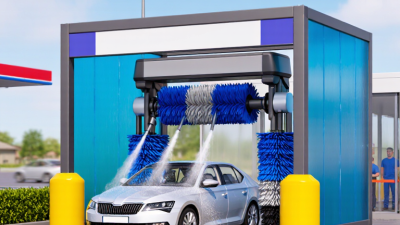
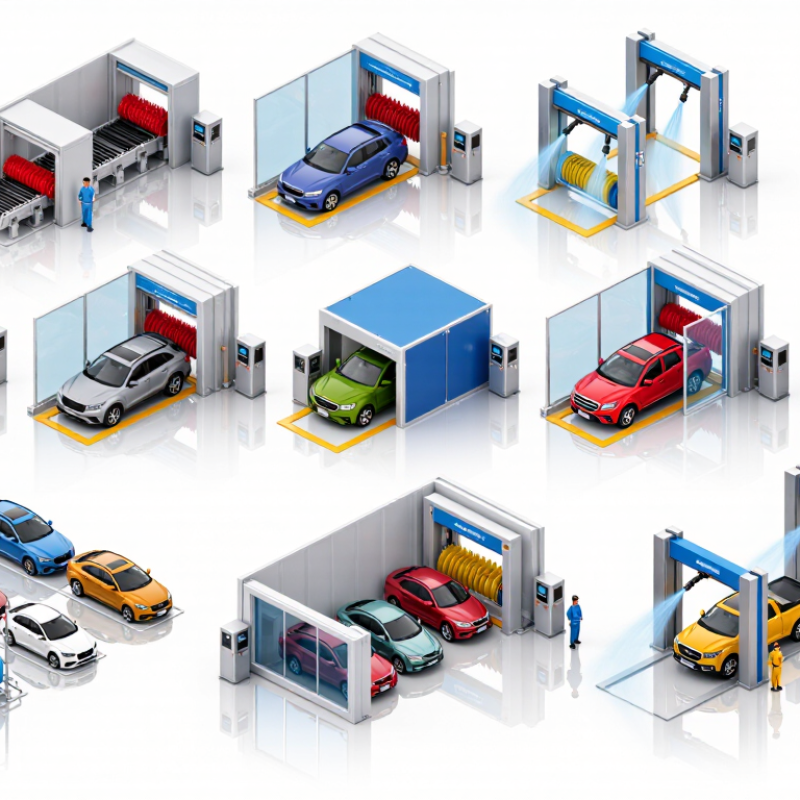
A fully automated car wash can take several forms, and the right choice depends on site space, customer flow, and wash preferences. Tunnel systems move vehicles through a sequence of cleaning stages, making them suitable for steady, higher-volume traffic. In-bay systems wash a parked vehicle inside a fixed bay. Rollover systems use a moving gantry around the vehicle, often fitting sites with limited room. Touchless systems rely on water and cleaning solutions rather than brushes, though stubborn grime may need extra attention.
Hybrid systems combine contact and touchless methods to balance cleaning coverage with different customer preferences. Express systems focus on quick service and efficient vehicle movement, but their performance depends on well-planned entry and exit lanes. Modular systems use configurable sections, which can help operators adapt a layout or add equipment over time. More options do not always mean better results. Maintenance access and water use matter, too.
Tips: Compare the required footprint, expected vehicles per hour, utility needs, and service access before choosing. Ask for operating specifications and a clear installation scope. If possible, observe a system handling different vehicle sizes and soil levels. Space matters. No format is perfect; even a fast system can create queues when its site layout is poorly matched to traffic.
Compare Throughput: Tunnel Systems Can Process About 100–150 Cars per Hour
Tunnel car wash systems may advertise throughput of about 100–150 cars per hour. That is fast. At that pace, a vehicle enters roughly every 24 to 36 seconds. The figure describes potential line capacity, not a guaranteed count of finished cars. Actual results depend on vehicle spacing, wash settings, and how smoothly cars move from payment to entry.
Small gaps matter. A driver who pauses at the entrance, a vehicle needing extra attention, or a brief equipment check can slow the line. Drying capacity can also become a bottleneck if cars exit faster than the final blowers can handle them. Real output varies. When comparing systems, ask whether the stated rate assumes ideal conditions, a particular vehicle mix, or a basic wash package. Request operating data from a site with similar traffic and staffing.
A high hourly rate is useful only when the whole site can support it. Check queue length, conveyor speed, entry control, and the time needed to clear a stopped line safely. Also consider peak-hour demand rather than daily averages. A tunnel rated for 150 cars per hour may perform well on paper, yet see lower practical output during busy periods. That gap is easy to underestimate.
7 Best Fully Automated Car Wash Systems for Sale - Compare Throughput: Tunnel Systems Can Process About 100–150 Cars per Hour
| System type |
Typical throughput |
Best suited for |
Key advantages |
Points to consider |
| Express conveyor tunnel |
About 100–150 cars per hour |
High-volume sites with a steady customer flow |
Continuous vehicle movement and high potential capacity |
Requires substantial site space, traffic management, and sufficient demand |
| Full-service conveyor tunnel |
About 60–120 cars per hour |
Locations offering both wash-only and add-on services |
Can support a range of wash packages and service levels |
Labor needs and tunnel length vary with the services offered |
| Compact conveyor tunnel |
About 30–60 cars per hour |
Sites with moderate demand or limited tunnel space |
Conveyor workflow in a smaller footprint than many high-volume tunnels |
Actual capacity depends on conveyor speed, vehicle spacing, and wash-cycle design |
| In-bay automatic touchless |
About 6–12 cars per hour per bay |
Fuel stations, dealerships, and sites with limited space |
No brushes or cloth contact the vehicle; relatively compact installation |
Longer cycles can limit capacity; cleaning results depend on chemistry and water pressure |
| In-bay automatic friction |
About 8–15 cars per hour per bay |
Single-bay sites seeking a relatively quick automatic wash |
Mechanical contact can help remove road film during the wash cycle |
Equipment and wash materials require routine inspection and maintenance |
| Hybrid in-bay automatic |
About 6–12 cars per hour per bay |
Operators wanting both contact and touch-free wash options |
Combines high-pressure cleaning with selected friction components |
More wash options may increase cycle time and equipment complexity |
| Multi-bay in-bay automatic installation |
About 20–50 cars per hour across 3–4 bays |
Sites needing more capacity without a conveyor tunnel |
Parallel bays can serve multiple vehicles independently |
Total output depends on bay count, cycle length, and how evenly customers use each bay |
Throughput figures are approximate planning ranges, not guaranteed production rates. Actual output varies with vehicle spacing, wash-package selection, operating hours, site layout, and local conditions. Confirm rated capacity and utility requirements with the equipment supplier before purchase.
Measure Water Efficiency: Reclaim Systems Can Reuse 50–80% of Wash Water
When comparing fully automated car wash systems, look beyond the cycle time and ask how much water the reclaim system can reuse. Depending on system design, wash volume, and local water conditions, reclaim equipment may recover 50–80% of wash water. That is a potential range, not a guarantee.
Recovered water usually passes through settling tanks and filtration before returning to selected wash stages. For example, it may serve underbody rinses or the first rinse, while a final rinse may use fresh water for a cleaner finish. Ask suppliers for measured water-use data per vehicle, not just a headline recovery percentage. A meter reading during a busy shift can reveal more than a brochure.
Maintenance affects real-world efficiency. Sediment buildup, clogged filters, or poor tank management can reduce flow and water quality. Check the proposed system’s filtration steps, tank capacity, service schedule, and monitoring tools before purchase. Also consider the site’s drainage, incoming water quality, and expected daily vehicle count. A system sized for peak traffic may be costly at a quieter location. One detail is easy to overlook: reclaimed water can sometimes leave spotting if treatment is inadequate. Review sample results and operating assumptions, then compare them with your actual wash process.
Match Equipment to Site Size, Wash Volume, Labor, and Operating Costs
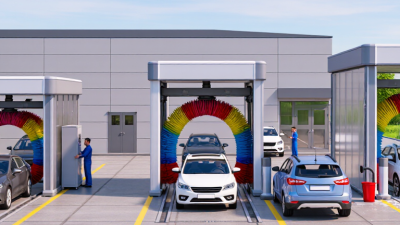
A fully automated wash should fit the site and the real demand, not just the equipment budget. In-bay systems can suit compact lots with modest traffic; conveyor tunnels need more queue space but can serve more vehicles. Count peak-hour arrivals, not only daily totals. Include turning clearance, pay-station queues, drainage, and room for maintenance access. Small sites need restraint.
EPA’s WaterSense at Work guidance reports that automatic wash water use can vary roughly from 20 to 85 gallons per vehicle, depending on system design and water reclamation. That range matters: compare reclaim capacity, utility rates, and local water bills before choosing. Labor needs also differ. A highly automated site may reduce routine staffing, but someone still handles cleaning, customer issues, and equipment checks. A spreadsheet estimate can be wrong if it ignores downtime.
Tips: Ask suppliers for throughput under your expected peak conditions, not just their maximum rating. Estimate monthly costs for water, power, chemicals, maintenance, and labor. The International Carwash Association’s consumer research can help frame service expectations, but your own traffic counts are more useful for forecasting. Test assumptions against a few weeks of site observations before committing.