How to Choose the Best Self Car Wash Equipment for Your Business?
Choosing the right self car wash equipment is crucial for your business success. High-quality equipment can enhance customer experience and boost profits. However, options can feel overwhelming.
Start by assessing your specific needs. Consider factors like location, service types, and target clientele. Not every self car wash equipment suits every business model. Some machines may offer advanced features, while others focus on cost-effectiveness. Finding the right balance is essential.
Reliability and maintenance are also vital. Investing in durable equipment minimizes downtime. Look for user reviews and industry recommendations. They can provide insights into long-term performance. Reflect on your priorities—it’s about more than just price. Quality and longevity often yield better returns.
Understanding the Different Types of Self Car Wash Equipment Available
When choosing self car wash equipment, it's essential to understand the different types available. Not all equipment suits every business model. Self-service systems offer flexibility. Customers can wash their own vehicles, leading to reduced labor costs. High-pressure washers provide thorough cleaning, tackling dirt effectively. However, they require adequate water supply and appropriate placement.
Automatic car wash systems are another option. They provide convenience and speed. These machines can clean multiple vehicles in a short period. While effective, maintenance can be more complex and costly. It's crucial to find a balance between initial investment and ongoing expenses. Regular upkeep will ensure long-lasting operation, which is vital for any business.
Consider your target market when selecting equipment. Some customers prefer a hands-on experience, while others look for efficiency. Offering multiple types of equipment may attract a wider range of customers. Observe local competitors to identify gaps in the market. This knowledge can guide your choices as you adapt your services. Equip yourself with the right information; it will empower your decisions. Identifying what your clients value can lead to a more successful car wash business.
How to Choose the Best Self Car Wash Equipment for Your Business?
| Equipment Type |
Description |
Key Features |
Price Range |
| Self-Service Car Wash Bay |
An open area where customers can wash their own cars using provided equipment. |
Pressure washer, soap dispenser, vacuum, and drying area. |
$10,000 - $50,000 |
| Automatic Car Wash Machines |
Fully automated systems that wash vehicles without any manual effort. |
Touchless wash, soft-cloth wash, water recycling system. |
$25,000 - $100,000 |
| Foam Brush Stations |
Stations equipped with foam brushes for an enhanced washing experience. |
High-pressure foaming system, user-friendly design. |
$2,000 - $5,000 |
| Vacuum Stations |
Equipment for cleaning the interior of vehicles. |
Powerful suction, user-friendly design, coin-operated. |
$1,000 - $3,500 |
| Water Recycling Systems |
Systems designed to recycle water used during the wash process. |
Filtration, automated systems, environmentally friendly. |
$5,000 - $20,000 |
Key Factors to Consider When Choosing Car Wash Equipment
When selecting self car wash equipment, consider its efficiency and effectiveness. According to a recent industry report, energy-efficient systems reduce water consumption by up to 30%. This not only saves costs but also appeals to environmentally-conscious consumers. Evaluate the technology used in the equipment. Advanced systems offer touchless options that can reduce wear on vehicle surfaces. In contrast, traditional methods may lead to scratches over time.
Assess the versatility of the equipment as well. A multi-purpose machine can wash, wax, and rinse, making it a more valuable investment. Flexibility is key for adapting to varying customer needs. However, it’s also important to reflect on the maintenance needs of the equipment. High-maintenance systems can lead to downtime, impacting service delivery.
Lastly, consider the quality of materials used in the construction of the equipment. Durable materials may have a higher upfront cost but can lead to fewer repairs and replacements. This longevity can ultimately provide better returns. Balancing these factors may seem challenging, but thoughtful evaluation will guide your decision-making process.
Evaluating the Cost-Effectiveness of Various Equipment Options
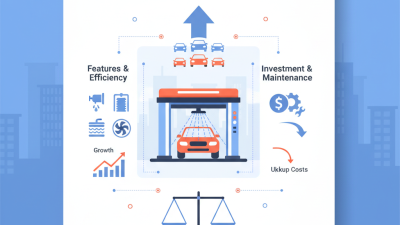
When evaluating the cost-effectiveness of self car wash equipment, it’s essential to consider both initial investment and ongoing maintenance. High-quality equipment often comes at a higher price but can lead to long-term savings. For instance, investing in a durable pressure washer might seem steep initially, but it reduces repair costs over time. Additionally, energy-efficient models can lower utility bills and improve profit margins.
Another key factor is the versatility of the equipment. Multi-functional machines can handle various tasks, such as washing and drying. This reduces the need for multiple specialized devices. However, sometimes these multi-purpose options might lack efficiency in specific functions. Assessing whether your business benefits from a singular focus or versatility can help clarify your equipment choices.
Analyzing customer needs and preferences is equally important. Conduct market research to gauge the type of services desired in your local area. Being aware of seasonal trends can inform your equipment purchases effectively. Investing in seasonal products or promotions may improve profitability, but it requires a careful balance to avoid excess inventory. Ensure that your choices align with customer expectations while keeping costs manageable.
Cost-Effectiveness Evaluation of Self Car Wash Equipment
Assessing the Space Requirements for Your Car Wash Setup
When assessing space requirements for a self car wash setup, the size of the area is critical. Industry reports suggest that a minimum of 1,500 to 2,000 square feet is ideal. This allows for proper vehicle movement and equipment placement. Too little space can lead to operational inefficiencies and customer dissatisfaction. A clear understanding of the layout can improve workflow and reduce customer wait times, making it essential to plan accordingly.
Consider the type of services you plan to offer. Basic washes require less space compared to full-service washes that involve detailing. Each additional service adds complexity and thus, demands more room. Think about including areas for drying and detailing. According to the International Carwash Association, facilities that incorporate drying zones witness a 15% increase in customer retention. It’s essential to strike a balance between the services offered and the space available.
Look at potential obstacles in the area. Utility connections, drainage systems, and vehicle access points will impact your layout. Skipping a thorough evaluation can lead to costly adjustments later on. A streamlined setup can enhance efficiency and ensure a positive customer experience. Flexibility in your design allows you to adapt as your business grows, keeping future expansions in mind.
How to Choose Equipment Based on Your Target Market and Services Offered
Choosing the right self car wash equipment is crucial. It directly influences your service quality and customer satisfaction. Consider your target market when making decisions. If you serve luxury car owners, invest in high-end equipment. They expect more attention to detail and superior cleaning technology. Reports indicate that over 70% of high-end customers prioritize quality over price.
For a budget-conscious clientele, focus on cost-effective solutions. Basic equipment can meet their needs without overspending. Analyze local market demands. If there is a growing trend in eco-friendly services, invest in waterless car wash systems. Data shows that eco-conscious customers are willing to pay more for sustainable options.
Evaluate potential service offerings. If detailing is part of your business, include tools that enhance this service. They include vacuum systems and advanced cleaning products. Flexibility in your equipment can help you adapt to changing customer preferences. Stay attuned to industry trends, as frequent updates can keep your business relevant. Reassessing your equipment regularly can reveal gaps and areas for improvement.