Best High Pressure Car Wash Machine for Global Buyers?
In the world of automotive care, the demand for an effective High Pressure Car Wash Machine continues to grow. As buyers look for reliability and efficiency, insights from industry experts become invaluable. John Smith, a renowned specialist in automotive cleaning technology, emphasizes, "The right high pressure system can elevate your car wash experience dramatically." This statement resonates with both professional detailers and average car owners seeking superior cleaning solutions.
When selecting the best High Pressure Car Wash Machine, various factors come into play. Users often prioritize power, portability, and versatility. A powerful machine can make quick work of built-up grime, but it’s crucial to balance pressure with safety to avoid damaging vehicle surfaces. Additionally, the ease of use and maintenance are vital for long-term satisfaction.
Considering the diverse needs across global markets, there is no one-size-fits-all solution. The availability of various models can confuse buyers. Reflecting on personal experiences can help guide decisions. It’s essential to be aware of your specific needs and choose a machine that truly delivers. This approach will ensure an investment that pays off in both performance and satisfaction.
Best High Pressure Car Wash Machine: An Overview of Top Features
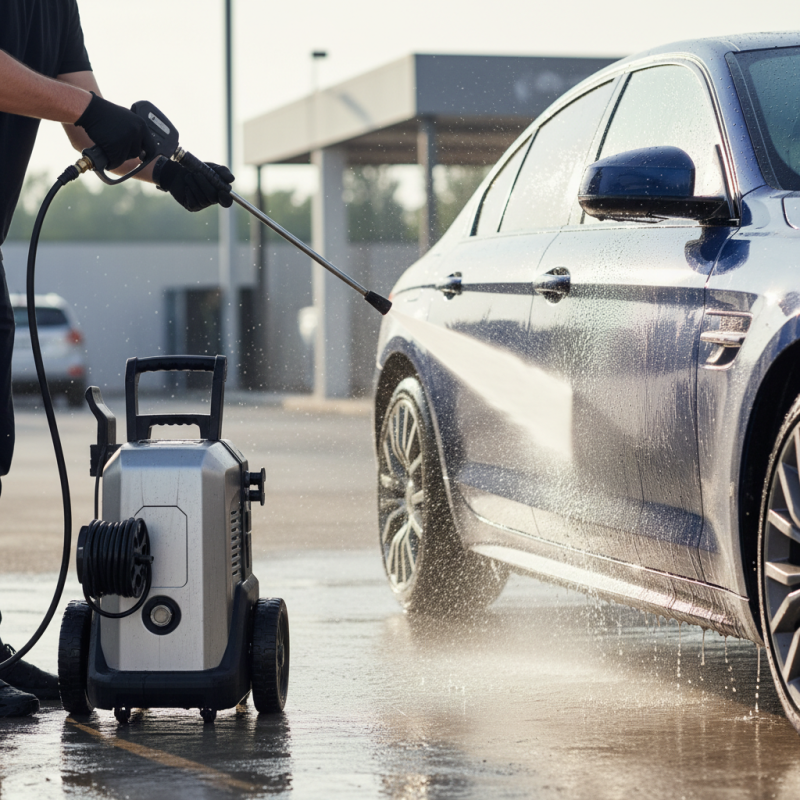
High pressure car wash machines are essential for effective vehicle cleaning. These machines offer powerful water jets that can remove dirt, mud, and grime effortlessly. According to recent industry studies, over 80% of car owners prefer using high pressure machines due to their efficiency and water-saving capabilities. The average consumption of water when using these machines is about 10-20 gallons per wash, significantly less than traditional methods.
When selecting a high pressure car wash machine, consider the psi level. Machines with a psi of at least 1500 are highly recommended for optimal performance. Safety features, such as automatic shut-off valves, also enhance user experience. Other noteworthy characteristics include adjustable spray nozzles for flexibility and portable designs for easy storage. Some studies indicate machines with dual motors provide higher efficiency.
**Tip:** Always wear protective gear when using high pressure machines. Repeated exposure to high-pressure water can cause injury. Moreover, it is important to check the hose and connections for any leaks before use. Regular maintenance checks can prolong the machine's lifespan. Ensure you're familiar with the machine's manual to avoid misuse.
Understanding the Impact of PSI and GPM in Car Wash Machines
When choosing a high-pressure car wash machine, understanding PSI and GPM is essential. PSI, or pounds per square inch, measures the pressure of the water as it exits the nozzle. Higher PSI means more forceful water jets, effectively removing dirt and grime from various surfaces. However, excessive PSI can damage delicate surfaces if not carefully managed.
GPM, or gallons per minute, refers to the water flow rate. A higher GPM ensures faster cleaning, but it may not always be the most efficient. If the water pressure is too high, it can waste water unnecessarily. Striking a balance between PSI and GPM is crucial for effective cleaning while being environmentally conscious.
Tips for buyers: Consider your car's surface and the type of dirt you'll typically encounter. For heavily soiled vehicles, opt for a machine with higher PSI. However, always start with a lower setting to protect paintwork. Additionally, look for machines that offer adjustable settings, providing versatility for different cleaning needs. A thoughtful approach can lead to better results and longer-lasting equipment.
Comparative Analysis of Electric vs. Gas-Powered Pressure Washers
When considering high-pressure car wash machines, two main types of power sources emerge: electric and gas-powered. Electric pressure washers dominate the market due to their convenience and lower environmental impact. According to the Pressure Washer Manufacturers’ Association, electric models account for roughly 70% of sales. They are quieter and require less maintenance compared to gas models. However, the trade-off is in the power output. Generally, electric units deliver 1300 to 2300 PSI, suitable for light to medium cleaning tasks.
Gas-powered pressure washers, on the other hand, pack a punch. They often reach pressures of 2700 PSI or higher, making them ideal for heavy-duty jobs. Their portability is another advantage; users can operate them anywhere without the need for a power outlet. A study by Home Improvement Research Institute notes that while gas models account for only 30% of sales, they are favored by professionals or heavy users. Yet, they come with downsides: gas models are louder and require regular maintenance. Users might find fuel costs and emissions to be significant factors in their purchase decision.
Ultimately, the choice between electric and gas-powered options comes down to specific needs and circumstances. While electric pressure washers offer ease of use, they may fall short in high-pressure applications. Gas models excel in power but may deter those who prioritize convenience and environmental considerations.
Key Brands and Their Market Share in the Global Pressure Washer Industry
The global pressure washer industry is rapidly evolving, with key brands commanding significant market shares. According to recent market analysis, these brands collectively hold over 50% of the total market, reflecting their strong influence. For instance, the residential segment is growing steadily, representing about 40% of the total market share. This indicates that many consumers prefer high-pressure machines for home use. Industrial applications also account for a noteworthy portion of the market, showing the versatility of these machines.
In terms of geographical distribution, North America stands out as a leading market, capturing approximately 30% of global sales. Europe follows closely with a 25% share. Emerging markets in Asia Pacific are gaining traction, with an annual growth rate projected at 5% over the next few years. Companies must address challenges such as sustainability and energy efficiency in their offerings to remain competitive. This has led to innovations in design and functionality, yet awareness of environmental impacts remains critical among buyers. Potential buyers should consider these aspects when investing in a high-pressure car wash machine.
Maintenance Tips for Prolonging the Life of High Pressure Car Wash Machines
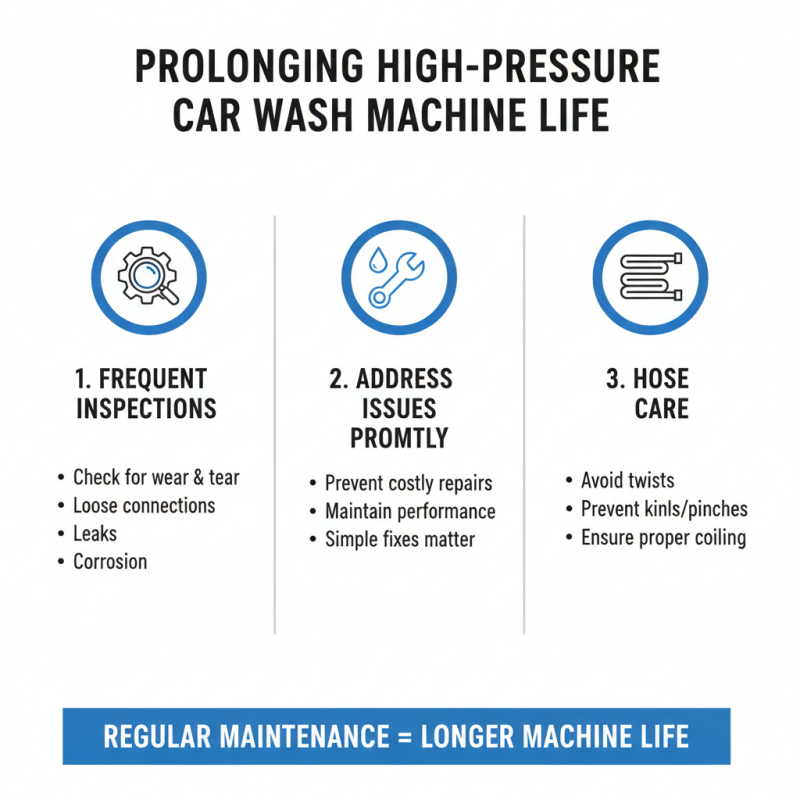
To prolong the life of high-pressure car wash machines, regular maintenance is essential. Start with frequent inspections to check for wear and tear. Look for loose connections, leaks, or any signs of corrosion. Ignoring these issues can lead to costly repairs. Simple tasks, like ensuring that hoses are not twisted or pinched, can make a significant difference in performance.
Cleaning filters and nozzles is also crucial. Clogged components can hinder water flow and pressure. A gentle rinse can remove debris. It's important to follow manufacturer guidelines for disassembly and cleaning. Don't rely solely on quick fixes. Periodic deep cleaning ensures longevity and efficiency.
Lastly, proper storage is key. Avoid leaving the machine exposed to harsh elements. If possible, store it in a dry, temperature-controlled environment. Winterizing your equipment is another consideration. Drain the water to prevent freeze damage. Taking these steps shows a commitment to maintaining your investment. A well-maintained machine operates safely and effectively, leading to better performance.