Best Car Wash Machine Equipment for Your Business Needs?
Choosing the right Car Wash Machine Equipment is crucial for business success. A well-selected system can enhance efficiency and customer satisfaction. There are several factors to consider, such as machine type, features, and maintenance needs.
Understanding your customers’ needs is essential. For instance, a high-pressure washer might cater to clients who desire a thorough clean. On the other hand, automatic systems attract those who prefer convenience. Assess your target demographics to guide your decision-making process.
Investing in quality Car Wash Machine Equipment requires thoughtful consideration. The initial cost can be significant, but it’s important to weigh long-term savings and customer loyalty. Regular maintenance and upgrades will ensure your equipment remains effective and reliable. A lack of attention to these aspects could lead to greater expenses down the line.
Factors to Consider When Selecting Car Wash Machines for Business
Choosing the right car wash machine for your business requires careful consideration. You need to assess your customer base, location, and available space. Understanding the types of services you want to offer is crucial. A simple exterior wash may suffice for some locations, while others may benefit from full-service options that include waxing and detailing.
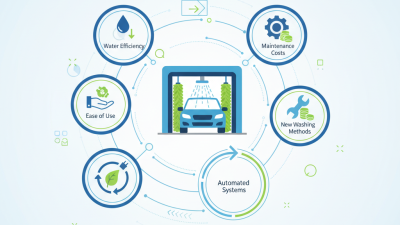
The ease of use and maintenance of the equipment is essential. Machines should be intuitive for staff, reducing training time. Look for designs that facilitate quick cleaning routines. Also, consider energy efficiency; machines that consume less water and electricity contribute to lower operating costs.
Evaluate the types of materials used in the construction of the equipment. Durable machines withstand heavy use, while quality components minimize breakdowns. Reflect on your long-term goals. Investing in a versatile, high-quality machine can yield excellent returns over time, while cutting corners might save money initially but could lead to higher maintenance costs and customer dissatisfaction. Balancing initial investment and potential growth is key for your business’s success.
Key Types of Car Wash Equipment: Pros and Cons Explained
When considering car wash equipment, understanding the pros and cons of key types is vital for informed decisions.
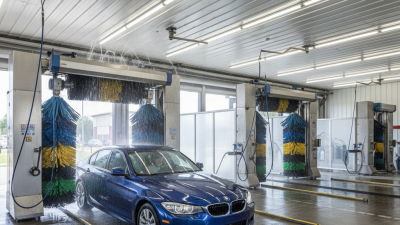
Automatic car washes are a popular choice for many businesses. They provide high efficiency and can handle a high volume of cars. Reports indicate that automatic systems can wash a vehicle in under five minutes. However, they require high initial investments and ongoing maintenance costs.
Self-service car wash systems are another option. They allow customers to wash their own vehicles, significantly lowering labor costs. These systems are easier to manage and can attract a steady stream of customers. Industry data shows that self-service washes are growing, especially in urban areas.
Still, they require substantial space and may not generate as much income as automated washes.
Touchless car wash systems present a unique approach. Their design minimizes contact with the vehicle’s surface to prevent scratches. Statistics suggest these systems are increasing in popularity, particularly among car enthusiasts. However, touchless washes may not remove all dirt efficiently. This can lead to customer dissatisfaction, which businesses must address. The choice of equipment ultimately relies on understanding the unique needs of your market and balancing investment costs with potential returns.
Impact of Technology on Modern Car Wash Systems and Efficiency
The impact of technology on modern car wash systems is both profound and multifaceted. Today’s machines utilize advanced sensors and automation to enhance efficiency. These systems adjust water pressure and soap concentration based on the vehicle's condition. This ensures a thorough and eco-friendly wash. As a result, businesses can serve more customers in less time without sacrificing quality.
However, the introduction of technology also poses challenges. Car wash operators must train staff to handle these sophisticated systems. Maintenance becomes more critical, as technical issues can disrupt service. It’s essential to stay updated with advancements. Investing in the latest technology isn't just a trend; it’s a necessity for competitive survival. But it requires careful planning and a clear understanding of operational needs.
Moreover, the reliance on technology can sometimes lead to overconfidence. A system that works well today may not be effective tomorrow. Regular assessments of both the equipment and processes are crucial. Balancing innovation with traditional practices can help businesses remain flexible. Adapting to change is vital in a rapidly evolving market.
Market Trends: Growth of Car Wash Equipment and Revenue Projections
The car wash equipment market is experiencing notable growth. More people are prioritizing vehicle maintenance and cleanliness. As car ownership increases, so does demand for efficient wash solutions. Advanced technology drives this trend. Equipment that offers quick, thorough cleaning is essential.
Revenue projections indicate a strong upward trend in this sector. Many businesses are investing in modern washing systems. These systems often feature eco-friendly capabilities. Consumers are becoming more environmentally conscious. Businesses must adapt to this shift or risk losing clients.
However, selecting the right equipment can be challenging. The variety available can be overwhelming. It's essential to consider efficiency, durability, and operational costs. Regular updates in technology mean older equipment may not perform as well. Maintaining relevance in this fast-paced environment requires careful planning and investment.
Market Trends: Growth of Car Wash Equipment Revenue Projections
This chart illustrates the projected growth of car wash equipment revenue from 2019 to 2023, showing a steady increase in market demand over the years.
Maintenance and Cost Analysis of Car Wash Machines for Long-term Success
When investing in car wash machines, a keen understanding of maintenance and costs is essential. Regular upkeep can prevent costly breakdowns and extend the lifespan of your equipment. For instance, simple tasks like checking hoses and nozzles can greatly affect performance. Occasional checks can catch small issues before they become significant problems.
Cost analysis should include both initial investments and ongoing operational expenses. Consider energy efficiency when selecting machines, as this can lead to savings over time. Replacement parts and upkeep budgets often surprise new business owners. Keep a close eye on these to ensure smooth operations. Occasionally, re-evaluating your chosen models may reveal better options that could save money.
Training staff on proper usage is also critical. If employees mishandle equipment, it can lead to higher maintenance costs. Clear guidelines and routine checks create an environment of accountability. Reflection on these practices may uncover areas needing improvement. Investing time in these aspects fosters long-term success for your car wash business.
Best Car Wash Machine Equipment for Your Business Needs? - Maintenance and Cost Analysis of Car Wash Machines for Long-term Success
| Machine Type |
Initial Cost ($) |
Monthly Maintenance Cost ($) |
Expected Lifespan (Years) |
Water Usage (Gallons/Car) |
Profit Potential ($/Month) |
| Touchless Wash System |
25,000 |
200 |
10 |
30 |
3,500 |
| Tunnel Wash System |
50,000 |
400 |
15 |
40 |
7,000 |
| Self-Service Wash Bays |
15,000 |
150 |
7 |
25 |
2,000 |
| Mobile Car Wash Unit |
10,000 |
100 |
5 |
20 |
1,500 |