Top 10 Car Wash Machine Equipment for Your Business Needs?
In the competitive landscape of the car wash industry, selecting the right Car Wash Machine Equipment is crucial. According to recent data from IBISWorld, the car wash industry in the U.S. generates over $11 billion annually, with a constant demand for efficient and reliable washing solutions. The right equipment can enhance service quality and improve customer satisfaction, ultimately boosting revenue.
Moreover, industry trends indicate a shift towards automation and advanced technology in car wash systems. The 2022 Market Report by Grand View Research highlights that automatic car wash systems are projected to grow at a CAGR of 4.5% from 2023 to 2030. However, it’s essential to recognize that not every piece of equipment meets all business needs. Investing in equipment without understanding specific circumstances can lead to wasted resources and dissatisfaction among clients.
The choice of Car Wash Machine Equipment should reflect your business model and target audience. For instance, a busy urban location may benefit from high-capacity machines, whereas a suburban area might thrive on more personalized services. Data suggests that businesses that analyze their needs tend to perform better. Thus, reflecting on what suits your operational goals is vital in this competitive market.
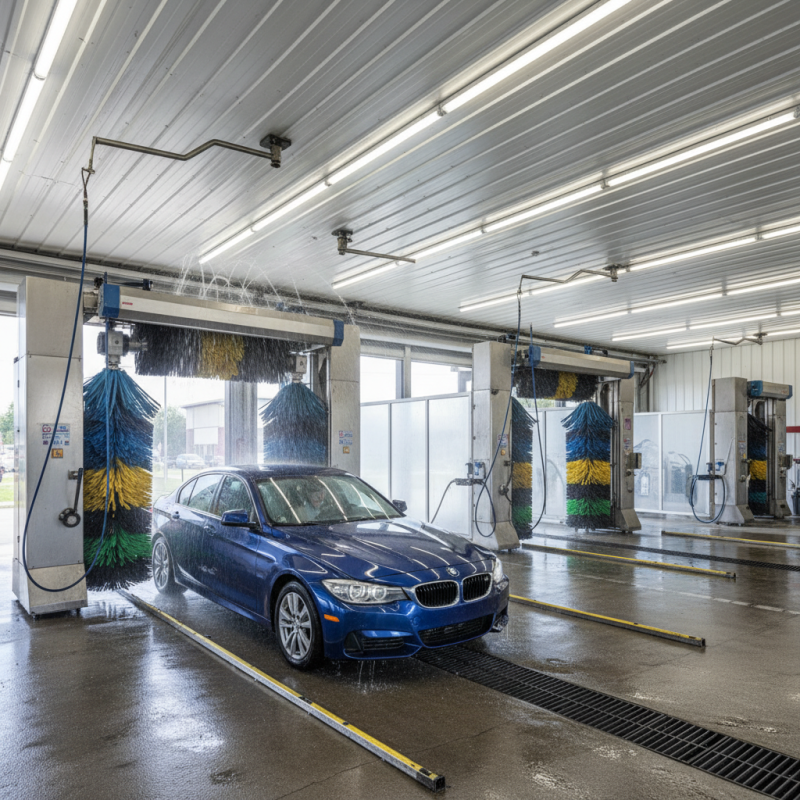
Essential Features to Look for in Car Wash Machines
When selecting car wash machines, it's essential to understand vital features that enhance efficiency and customer satisfaction. Automatic machines are becoming the norm. They can drastically reduce labor costs. According to a recent industry report from IBISWorld, automated car washes now represent over 75% of the market share. Customers appreciate the quick turnaround and reliable outcomes these machines provide.
High-pressure cleaning systems are crucial. These systems effectively remove dirt and grime from vehicles. They can operate at pressures exceeding 3000 PSI. A study by Statista revealed that over 80% of customers prefer a thorough wash, leading to repeat business. Moreover, adjustable nozzles can cater to different vehicle sizes, ensuring versatility.
Another indispensable feature is water recycling technology. Research shows that car washes can save up to 80% of water through recycling systems. Implementing this feature not only conserves water but also reduces operating costs. However, some operators struggle with maintenance. Regular checks are necessary to ensure efficiency. This can become a point of friction for business owners. Balancing these high-tech solutions with manageable upkeep is an ongoing challenge.
Top 10 Car Wash Machine Equipment for Your Business Needs
| Model | Type | Cleaning Technology | Price Range | Water Consumption | Key Features |
|---|---|---|---|---|---|
| Model A | Touchless | High-pressure water | $25,000 - $30,000 | 3 gallons/min | Eco-friendly, programmable |
| Model B | Dual-Brush | Rotating brushes | $20,000 - $25,000 | 2.5 gallons/min | Continuous wash cycle |
| Model C | Automatic | Foam spray | $30,000 - $35,000 | 4 gallons/min | Programmable settings, online monitoring |
| Model D | Self-Serve | Manual spray | $15,000 - $20,000 | 1.5 gallons/min | Flexible operation, user-friendly |
| Model E | Tunnel | Multi-step wash | $40,000 - $50,000 | 5 gallons/min | High capacity, quick turnover |
| Model F | Conveyor | Belt-driven system | $50,000 - $60,000 | 7 gallons/min | Robust design, heavy-duty |
| Model G | Porta Wash | Portable system | $8,000 - $12,000 | 1 gallon/min | Compact, easy transport |
| Model H | Steam Wash | Steam technology | $18,000 - $22,000 | 1.8 gallons/min | Deep cleaning, hygienic |
| Model I | Hybrid Wash | Combination method | $35,000 - $42,000 | 3.5 gallons/min | Versatile, customizable modes |
| Model J | Foam Brush | Foam application | $12,000 - $16,000 | 2 gallons/min | Gentle on surfaces, effective |
Related Posts
-
Top China Best Car Wash Machine Equipment for Your Business?
-
Top 10 Self Wash Car Wash Equipment for Global Buyers?
-
How to Choose the Best Car Wash Machine Equipment for Your Business?
-
How to Choose the Best Car Wash Machine for Your Commercial Business
-
Why Investing in Car Wash Machine Equipment is Essential for Your Business Success
-
Best Self Car Wash Machine Reviews and Buying Guide?