Top 10 Self Wash Car Wash Equipment for Global Buyers?
The demand for Self Wash Car Wash Equipment has been steadily rising, reflecting a shift in consumer preferences toward more convenient and economical car cleaning solutions. According to a recent report by IBISWorld, the global car wash industry is projected to reach $38 billion by 2023, with self-service options playing an increasingly significant role. This trend indicates that consumers are looking for ways to save on car maintenance while still ensuring their vehicles are well-maintained.
Self Wash Car Wash Equipment has gained traction among buyers worldwide, driven by innovations in design and technology. Many systems now incorporate advanced features like eco-friendly detergents and water recycling processes, presenting both an opportunity and a challenge for equipment manufacturers. As they navigate this competitive landscape, the importance of delivering reliable, high-quality products cannot be overstated.
However, as the market expands, buyers face challenges such as varying quality standards and inconsistent service levels. Some equipment may not meet the expected longevity or efficiency, leading to dissatisfaction. Buyers must weigh options carefully, ensuring they invest in reliable Self Wash Car Wash Equipment that aligns with their business needs. The selection process demands knowledge and experience to identify the best performing systems available, ultimately benefiting both businesses and consumers.
Top Self Wash Car Wash Equipment: An Overview for Global Buyers
The self-wash car wash equipment market is evolving rapidly, reflecting the growing demand for hands-on vehicle care. According to recent industry reports, the global self-service car wash segment is expected to reach a valuation of $2.5 billion by 2026. This expansion indicates a strong consumer preference for self-wash solutions, featuring easy-to-use technologies that cater to a diverse audience.
For global buyers, understanding the essentials of self-wash car equipment is crucial. Key features to consider include effectiveness and water usage. Many self-wash stations utilize high-pressure washing systems that conserve water, using only 2 to 5 gallons per wash. This efficiency not only appeals to eco-conscious consumers but also enhances operational cost-effectiveness. However, not all consumers have access to high-quality washing stations, leading to inconsistent user experiences.
Moreover, the equipment's durability and maintenance requirements should not be overlooked. Regular wear and tear can lead to increased operational costs. It is notable that many operators report difficulties in sourcing reliable parts for repairs. This aspect is vital for long-term sustainability. Investing in robust, easy-to-repair equipment could mitigate these issues and lead to higher customer satisfaction.
Key Features to Consider When Choosing Self Wash Car Wash Equipment
When choosing self wash car wash equipment, several key features become essential. Durability is at the forefront. Equipment that can withstand harsh weather and high usage is crucial for longevity. According to industry reports, up to 45% of users prioritize equipment that lasts beyond five years without significant repair costs. Stainless steel options tend to be favored for their resistance to corrosion and low maintenance needs.
Another important consideration is versatility. Equipment that offers multiple wash options appeals to a broader audience. Many consumers seek customizable wash settings that can cater to different vehicle types. Studies suggest that about 67% of customers prefer stations equipped with foam brushes and powerful jet sprays. This variety ensures that every vehicle can receive the right care, enhancing user satisfaction and potentially increasing repeat visits.
Ease of use also plays a vital role. Control panels should be intuitive, reducing user frustration. Complicated systems can deter potential customers. Data indicates that over 30% of new users abandon self wash stations due to confusing interfaces. An effective design should encourage users to engage confidently. Reflecting on these aspects reveals that balancing durability, versatility, and user-friendly designs is a complex challenge. Identifying the right mix can significantly impact business performance in this competitive market.
Top 10 Self Wash Car Wash Equipment Features Comparison
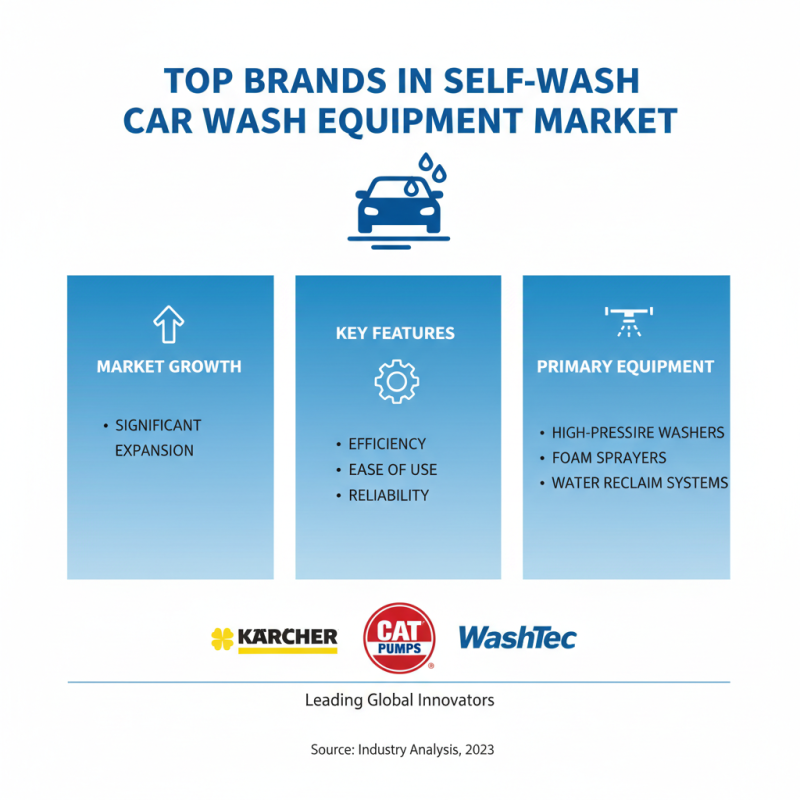
Top Brands in the Self Wash Car Wash Equipment Market
The self-wash car wash equipment market has seen significant growth. Many global brands are recognized for their innovation and reliability. Buyers often look for equipment that offers efficiency and ease of use. The brands in this sector focus on high-pressure washers, foam sprayers, and water reclaim systems.
Effective self-wash systems incorporate user-friendly designs. They simplify the washing process, making it accessible for all car enthusiasts. However, the market contains numerous options, each with its features and drawbacks. Buyers may overlook the importance of durability and maintenance needs. Evaluating the total cost of ownership is crucial before making a purchase.
Customer feedback often highlights performance inconsistencies. Some equipment may fail under heavy use or harsh conditions. When selecting a brand, it's essential to consider reliability over time. Exploring product reviews can offer insights but may also reflect biased opinions. This complexity calls for thorough research and thoughtful decisions.
Comparison of Self Wash Car Wash Equipment Prices Globally
Choosing the right self-wash car wash equipment is crucial for global buyers. The prices can vary significantly across different regions. In some countries, a basic setup can cost as low as a few thousand dollars. Meanwhile, advanced systems with automated features may reach tens of thousands. This price disparity often reflects local economic conditions and demand.
When comparing equipment prices, consider not just the upfront cost. Maintenance and operational expenses are essential. A cheaper unit might lead to high repair costs later. Look for reviews or consult professionals in the industry to gauge reliability.
Tips: Always ask for installation guidance; it can save time and prevent future issues. If you have limited experience, consider starting with simpler models. This way, you can gradually understand the equipment and its needs.
Maintenance Tips for Long-lasting Self Wash Car Wash Equipment
Maintaining self-wash car wash equipment is crucial for longevity. Evidence shows that regular care can extend the lifespan of machinery by 30%. This involves routine inspections, cleaning, and proper usage. The frequency of maintenance directly relates to machine efficiency. According to industry reports, well-maintained systems reduce water and energy consumption by up to 25%.
Monitoring wear and tear is essential. Operators should check seals and hoses for leaks regularly. Any visible damage can lead to more significant issues if left unaddressed. Lubrication of moving parts should occur at least biannually. This task can often be overlooked, resulting in decreased performance and increased repair costs. A simplistic approach here could lead to costly repairs down the line, emphasizing the need for diligence.
In addition, keep the wash area clean to avoid debris clogging. Scheduling downtime for maintenance can seem inconvenient, yet it ultimately saves time and money. Regular training for staff on proper equipment use is beneficial. Improper use often results in premature wear, negatively impacting productivity. Overall, consistent attention to detail ensures that self-wash equipment remains reliable and effective for years.
Top 10 Self Wash Car Wash Equipment for Global Buyers
| Equipment Type |
Water Pressure (psi) |
Power Source |
Average Cost (USD) |
Maintenance Tips |
| Pressure Washer |
1500 - 3000 |
Electric/Gas |
300 - 800 |
Regularly clean filters and check hoses. |
| Foam Gun |
N/A |
Manual |
50 - 150 |
Clean after each use to avoid clogging. |
| Vacuum System |
N/A |
Electric |
200 - 500 |
Check bags and replace filters regularly. |
| Spot Free Rinse |
N/A |
Water Conditioning |
1000 - 3000 |
Monitor resin levels and replace when needed. |
| Water Recycling System |
N/A |
Pump |
3000 - 10000 |
Regularly clean filters and inspect pumps. |
| Drying System |
N/A |
Electric |
500 - 2000 |
Check fan motors and clean vents regularly. |
| Wheel Wash Equipment |
N/A |
Hydraulic |
500 - 1500 |
Lubricate moving parts regularly. |
| Chemical Dispenser |
N/A |
Electric |
200 - 600 |
Flush system regularly to avoid clogging. |
| Underbody Wash System |
1000 - 2000 |
Electric |
1000 - 2500 |
Inspect for blockages periodically. |
| Automatic Brush Wash |
N/A |
Electric |
5000 - 20000 |
Ensure brushes are changed regularly for effectiveness. |