Top 2025 Car Wash Machines: Features, Prices, and Buyer’s Guide
In the rapidly evolving automotive care industry, car wash machines are becoming increasingly sophisticated, offering a blend of efficiency, durability, and customer satisfaction. According to industry expert John Smith, a prominent figure in the car wash technology sector, "The future of car wash machines lies in their ability to provide a thorough clean while minimizing water and energy consumption." As we look ahead to 2025, the advancements in car wash machines reflect a growing awareness of environmental sustainability alongside cutting-edge technology.
This guide will explore the top car wash machines expected to dominate the market in 2025, focusing on their unique features, pricing structures, and essential considerations for buyers. With an array of options available, understanding what makes a car wash machine stand out is crucial for business owners and operators looking to enhance their service offerings. From touchless systems to innovative drying solutions, the evolution of car wash machines symbolizes a shift towards smarter, more efficient cleaning solutions, catering to both the needs of consumers and the demands of the environment.
Overview of Car Wash Machines in 2025
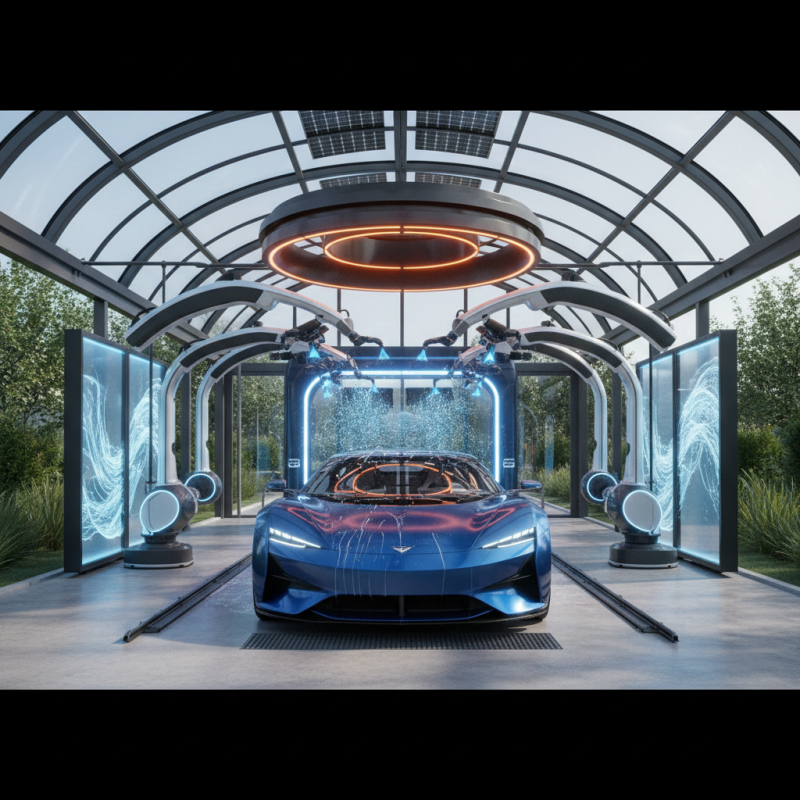
As we look towards 2025, the landscape of car wash machines is evolving rapidly, integrating cutting-edge technology and customer-centric features. One major trend is the incorporation of automation and artificial intelligence, which enhances the efficiency and effectiveness of cleaning processes. Modern car wash machines now come equipped with advanced sensors that can detect vehicle size and surface type, adapting the wash cycle accordingly to provide a customized cleaning experience. This not only saves time but also reduces water and energy consumption, aligning with sustainability goals that are becoming increasingly important in the automotive service sector.
Additionally, the versatility of car wash machines is expanding, with options for both traditional and touchless washing systems. Many of the latest models offer hybrid functionalities, allowing users to choose between a gentle touch cleaning for delicate finishes or a more intense wash for heavily soiled vehicles. Furthermore, features such as mobile app integration for payment and booking streamline the customer experience, making it more convenient than ever for car owners to maintain their vehicles. With these innovations, the car wash industry is set to meet the demands of a tech-savvy consumer base that values efficiency and eco-friendliness in their service choices.
Top 2025 Car Wash Machines: Features, Prices, and Buyer’s Guide
| Model |
Features |
Price Range |
Recommended Use |
| Model A |
Touchless wash, Eco-friendly |
$20,000 - $25,000 |
Commercial use |
| Model B |
Dual foam, High-pressure wash |
$15,000 - $20,000 |
Gas stations |
| Model C |
Exhaust systems, Fast drying |
$18,000 - $22,000 |
Retail car washes |
| Model D |
Automatic payment system, High throughput |
$30,000 - $40,000 |
High-traffic areas |
| Model E |
Soft-touch wash, LED lighting |
$12,000 - $16,000 |
Small car washes |
Key Features to Look for in Modern Car Wash Machines
When considering the latest advancements in car wash machines for 2025, there are several key features that stand out to ensure efficiency and customer satisfaction. One of the most significant attributes to look for is automation. According to the International Carwash Association, automated systems have been shown to reduce labor costs by 30% while increasing wash throughput. This makes them an attractive option for operators looking to maximize profits without compromising service quality.
Another critical feature is the use of eco-friendly cleaning solutions. Reports indicate that over 70% of consumers prefer businesses that prioritize environmentally sustainable practices. Investing in machines that utilize biodegradable soaps and water reclaim systems not only meets customer demand but also positions your business as a leader in environmentally responsible practices. Some models now offer water recycling capabilities that enable facilities to reuse up to 80% of the water used in a wash.
Tips: When selecting a car wash machine, don't overlook the importance of user-friendly interfaces. A system that is easy to operate will minimize training time for new staff and maximize efficiency. Additionally, consider the machine’s versatility; options that can handle various vehicle sizes and types expand your clientele base and improve service offerings. Lastly, invest in models that allow for customizable wash programs, enhancing the customer experience by providing tailored options.
Price Ranges for 2025 Car Wash Machines: What to Expect
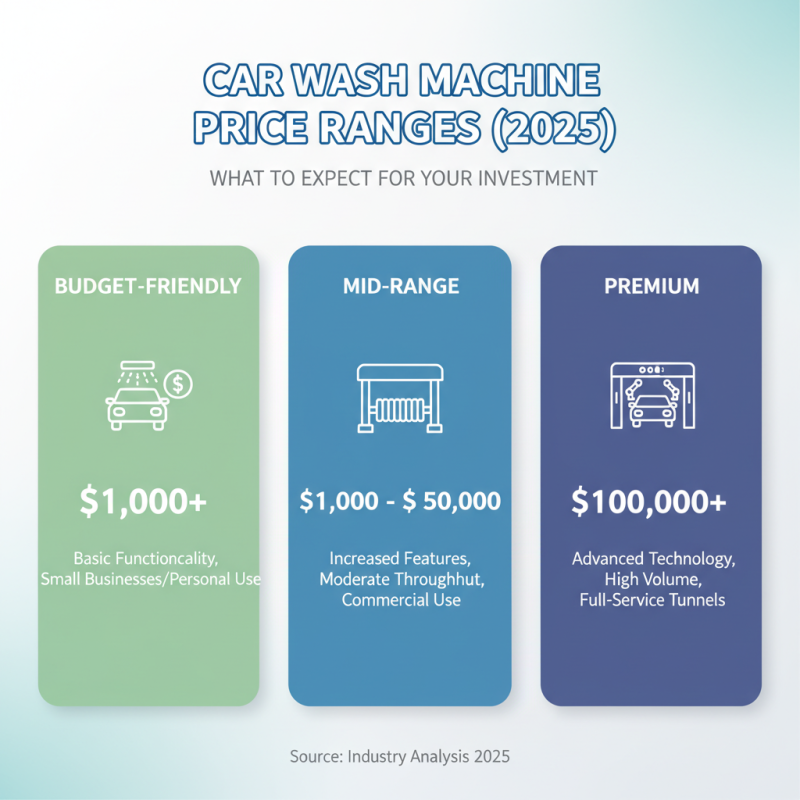
When shopping for car wash machines in 2025, understanding the price ranges will help you determine what to expect for your investment. Generally, car wash machines can be categorized into three main price brackets: budget-friendly, mid-range, and premium options. Budget models typically start at around $1,000 and can be adequate for small businesses or personal use, providing basic functionality without advanced features.
Mid-range machines, often priced between $3,000 to $10,000, strike a balance between affordability and advanced capabilities. These models often offer better durability, increased efficiency, and enhanced customer features. For those looking for state-of-the-art technology and additional features such as automated systems, these high-end machines can range from $10,000 to $50,000 or more, catering to commercial car wash businesses with high volume demands.
**Tips:** When considering a purchase, always analyze your budget and the expected return on investment. Evaluate the warranty and maintenance services offered by the manufacturer to avoid unexpected costs. Additionally, look for energy-efficient machines that can lower operating costs over time, making a more sustainable choice that benefits both your business and the environment.
Top Brands and Models in the 2025 Car Wash Market
With the car wash market evolving rapidly in 2025, several brands have emerged as leaders, each offering distinctive features that cater to a variety of customer needs. Notable among them are machines designed for efficiency and effectiveness, integrating advanced technology like automated wash cycles, sensors for detecting dirt levels, and eco-friendly cleaning solutions. Many models also prioritize user experience with touchless wash options, minimizing the risk of scratches while delivering a thorough clean.
Price points in the car wash machine market can vary widely depending on the features and capabilities of the machines. Entry-level models typically offer basic wash functions and are ideal for smaller operations, while high-end machines come equipped with multi-stage washing processes and extensive customization options. Buyers should consider not only the upfront costs but also long-term operational expenses, including maintenance and water usage, to ensure they choose a machine that aligns with their budget and service expectations. As the technology continues to advance, consumers can look forward to even more innovative solutions in the car wash industry.
Top 2025 Car Wash Machines: Features, Prices, and Buyer’s Guide
This chart illustrates the average price of different types of car wash machines in 2025, showcasing the diverse options available for car owners and businesses considering investment in car wash technologies.
Essential Buying Tips for Choosing the Right Car Wash Machine
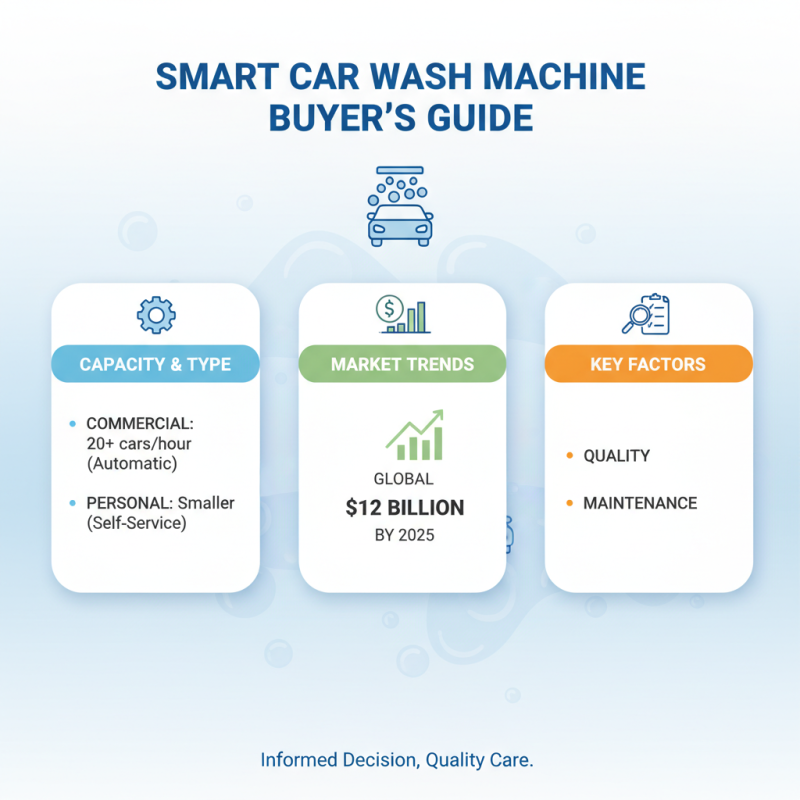
When selecting a car wash machine, potential buyers should consider several essential factors to ensure they make an informed decision. According to a recent industry report, the global car wash equipment market is projected to reach $12 billion by 2025, reflecting a growing trend among consumers seeking high-quality vehicle maintenance solutions. First and foremost, buyers must evaluate the capacity and type of machine that fits their needs—whether automatic or self-service. Typically, high-capacity machines that can accommodate at least 20 cars per hour are ideal for commercial operations, while smaller models are suitable for personal use.
Another critical aspect to consider is the technology and features of the car wash machine. Advanced systems now offer a combination of soft cloth and high-pressure cleaning options, which are proven to enhance washing efficiency while minimizing the risk of scratches on vehicle surfaces. Recent data indicates that machines equipped with digital control panels and integrated rinsing options are gaining popularity, as they provide users with real-time feedback and improved water efficiency. Assessing the durability and maintenance requirements of the equipment is equally important; opting for stainless steel components can ensure longevity and reduce long-term operating costs.
Lastly, evaluating expenses beyond the initial purchase price, such as installation, water usage, and maintenance fees, is crucial. A comprehensive cost analysis will reveal the total cost of ownership, helping buyers to avoid unexpected expenditures. Informed decisions based on these considerations will lead to better outcomes in terms of performance and customer satisfaction in car wash operations.