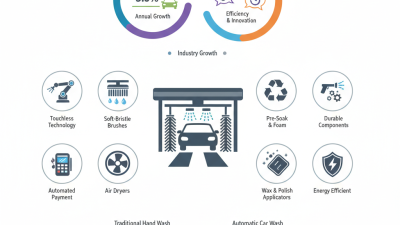
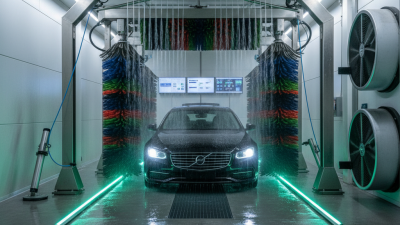
At the upcoming Canton Fair, industry experts are keen on the latest innovations in Automatic Carwash Equipment. James Zhang, a notable figure in this sector, stated, "The evolution of automatic carwashing is transforming vehicle maintenance." His insight highlights the growing importance of efficiency and technology.
The Canton Fair will showcase cutting-edge car wash technology. This year, more than ever, automation plays a critical role. Companies will present equipment that reduces water consumption and enhances cleaning quality. Guidelines and certifications, such as ISO and CE, are essential for buyers. They ensure that the equipment meets international standards.
Moreover, the introduction of AI-driven search tools at the fair will enhance the buying experience. With these advancements, buyers can find specific Automatic Carwash Equipment that fits their needs quickly. However, one must be cautious with technology’s rapid growth. Balancing innovation with sustainable practices remains a challenge. The future of the automatic carwash industry looks promising, but reflection on its impact is necessary.
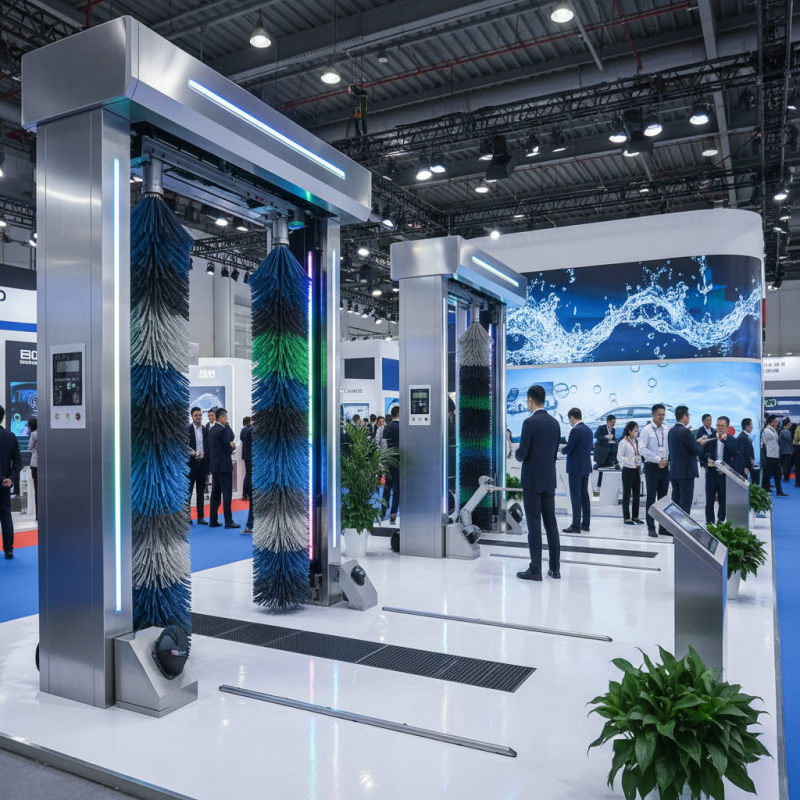
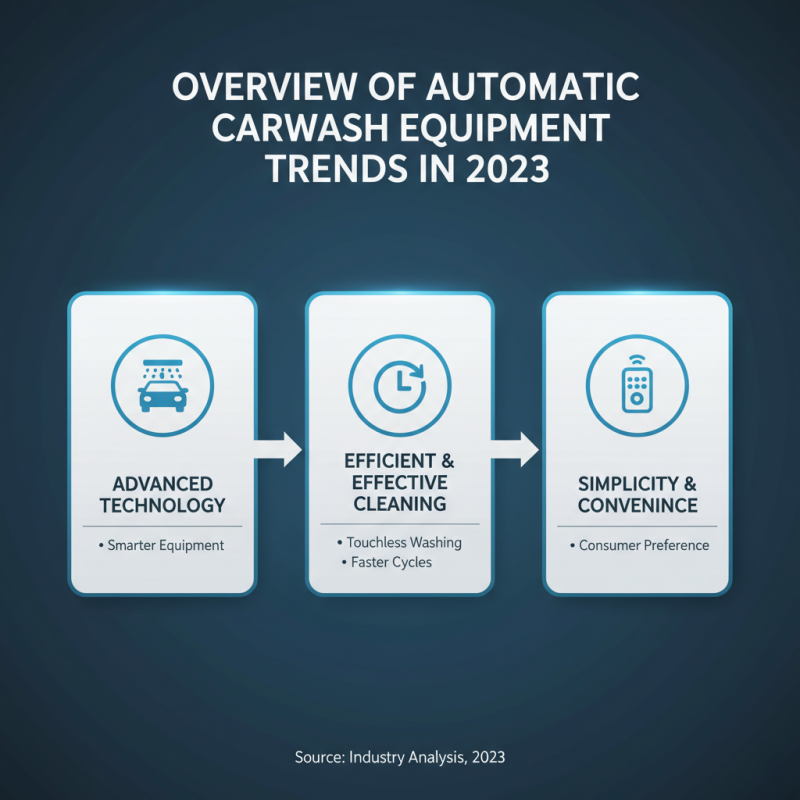
The automatic carwash equipment market is evolving rapidly in 2023. Advanced technology is driving this change. Consumers increasingly prefer efficient and effective cleaning solutions. This shift pushes manufacturers to innovate. Equipment is becoming smarter, offering features like touchless washing and faster cycles. Simplicity and convenience are key.
Developments emphasize energy efficiency and water conservation. Many systems now recycle water and use less detergent. This trend appeals to eco-conscious consumers. However, challenges exist in sourcing sustainable materials. Not all manufacturers can keep pace with these demands. Some products still fall short of expectations, highlighting areas for improvement.
Market research indicates a growing interest in mobile apps for carwash operations. These apps can streamline customer experiences. But not every location is tech-savvy enough to implement these features. It's a learning curve for many. Addressing these gaps may lead to better service quality. Adaptation is crucial in this competitive landscape.
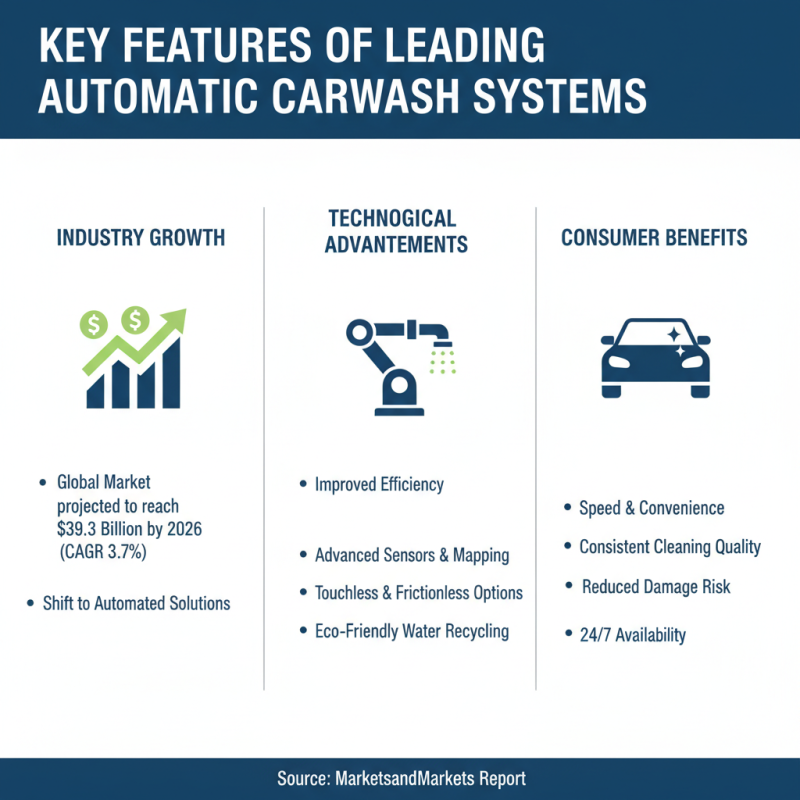
The automatic carwash industry is rapidly evolving. In recent years, advanced technology has made these systems more efficient. According to a report from MarketsandMarkets, the global car wash market is projected to reach USD 39.3 billion by 2026, growing at a CAGR of 3.7%. This reflects a significant shift in consumer behavior towards automated solutions.
Key features define leading automatic carwash systems. Speed is essential; many systems can wash a vehicle in under five minutes. Water recycling is another critical aspect, with some systems reclaiming up to 90% of water. User-friendly interfaces have improved as well, enabling customers to select wash options effortlessly. However, challenges remain. Some systems struggle with varying vehicle sizes and types. This inconsistency can affect customer satisfaction.
Moreover, the integration of live data can enhance these systems further. Many operators are still not utilizing data analytics to monitor performance. Sensors and AI can optimize efficiency but are not yet widespread across all facilities. A gap exists between available technology and its implementation in the market. This area warrants further attention from industry stakeholders, as improvements could lead to higher profitability and customer retention.
The China Import and Export Fair is a hub for showcasing cutting-edge technology. This year, the spotlight is on automatic carwash equipment. The demand for efficient car cleaning solutions has surged, reflecting an industry growth rate of 7.4% annually. Many exhibitors are stepping up to this trend.
Among the top brands, advancements in touchless technology are taking center stage. Research shows that touch-free carwashes consume 30% less water than traditional systems. This not only appeals to eco-conscious consumers but also reduces operational costs. Yet, as companies push for innovation, challenges arise. Many systems are still finding the balance between efficiency and thoroughness in cleaning. Some users report overlooked dirt even in newer models, leading to mixed reviews.
Aesthetic design is also in focus. Manufacturers understand that an appealing setup can attract more customers. However, the high costs of these advanced systems can deter smaller businesses. This creates a gap in accessibility. While the technology improves, availability and affordability must also evolve. The fair presents an opportunity for dialogue on these pressing issues.
When considering automatic carwash equipment at the China Import and Export Fair, analyzing price and performance is crucial. Many options are available, each with unique features and price points. Some machines are flashy but may lack essential functionalities. Others focus on efficiency but might be a bit more expensive.
In terms of performance, several key factors come into play. Water pressure, number of wash cycles, and drying capabilities matter significantly. Machines offering high pressure may clean effectively but consume more water. This can lead to higher operational costs over time. Additionally, lower-priced equipment often sacrifices longevity, raising concerns about sustainability.
It is not uncommon for buyers to feel overwhelmed by choices that look similar on the surface. Often vendors present impressive demonstrations. However, the true test comes after prolonged use. Performance discrepancies become evident, and maintenance requirements may differ significantly. A careful balance between cost and lasting performance is essential for making a wise investment.
This chart provides a comparative analysis of price and performance for the top 5 automatic carwash equipment showcased at the China Import and Export Fair. The data looks at both the cost and cleaning efficiency of each unit.
Automatic carwash technology is evolving rapidly. Future innovations promise enhanced efficiency and greater convenience. New designs aim to reduce water consumption significantly. This is crucial for sustainable development, as water scarcity is a growing concern.
Moreover, recent prototypes show the potential for using biodegradable cleaning agents. These alternatives are friendly to the environment. They help minimize chemical runoff into soil and water bodies. The integration of smart sensors improves operations. They allow for real-time monitoring of equipment performance. However, developing such technologies comes with challenges. Sometimes, the tech malfunctions unexpectedly, leading to service interruptions.
There is an ongoing effort to enhance user experience. Touchless systems are gaining popularity, but problems can arise. Misalignment can lead to missed spots or damage. The balance between automation and manual oversight is delicate. As these innovations unfold, the industry must focus on reliability and ease of use. The future looks promising, but it requires critical assessment and continuous improvement.