Top 10 Automatic Car Wash Equipment You Need to Know?
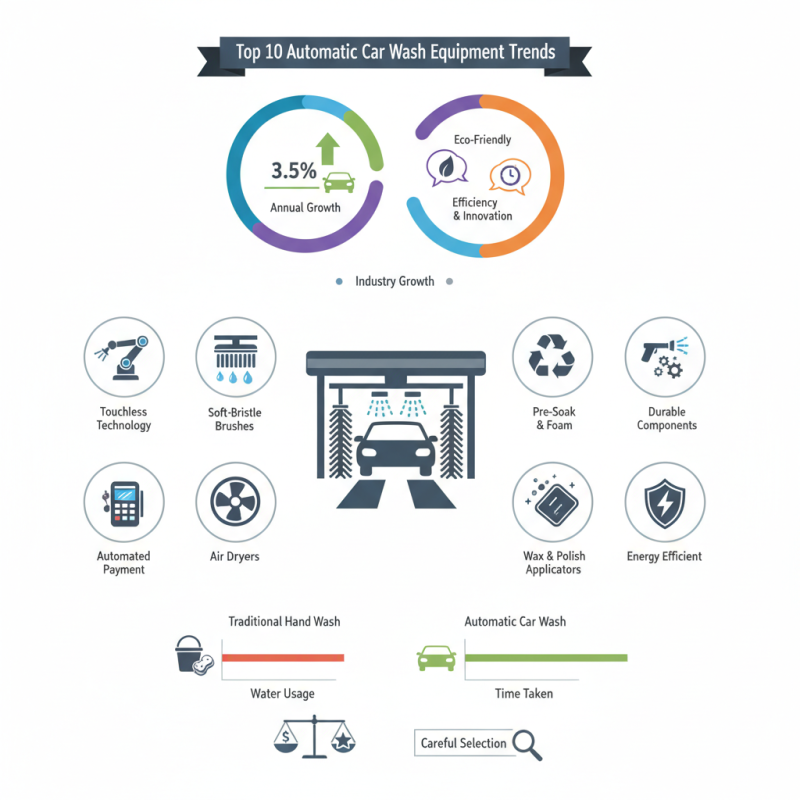
The demand for automatic car wash equipment continues to rise, reflecting the changing preferences of vehicle owners. According to a recent report by IBISWorld, the car wash industry has seen a steady growth rate of 3.5% annually over the past five years. This growth emphasizes the need for efficient and innovative washing solutions. Industry expert, John Smith, states, "Investing in advanced automatic car wash equipment can significantly enhance service quality and customer satisfaction."
Many vehicle owners now seek car wash solutions that are not only efficient but also eco-friendly. Automatic systems use less water compared to traditional hand washes, reducing waste in an essential industry. As cars become more intricate, the right equipment is vital for avoiding damage while ensuring cleanliness. However, not all automatic car wash setups are created equal. Some may underperform or require frequent repairs, leading to potential customer dissatisfaction.
Selecting the best automatic car wash equipment requires careful consideration. Businesses need reliable and durable models to maintain productivity. Additionally, some setups may lack advanced features like touchless technology, which can be a game-changer in preserving a vehicle’s finish. Balancing cost and quality is crucial for achieving long-term success in a competitive market.
Top Features to Consider When Choosing Automatic Car Wash Equipment
When choosing automatic car wash equipment, several features deserve your attention. Look for machines that offer flexibility for different vehicle sizes. Capacity is vital; ensure the system can handle peak hours without breaking down. An efficient drying system is crucial. It minimizes water spots and enhances customer satisfaction. Most customers prefer a spotless finish as they drive away.
Consider the technology used in the equipment. Advanced systems with sensors can detect dirt levels. They adjust water pressure and soap use accordingly. This not only conserves resources but also delivers a better clean. However, be aware of the learning curve associated with high-tech options. They may require training for staff.
Tips for selecting the right equipment include checking user reviews and testimonials. Research common issues others face. Make sure to assess the warranty offered. A long warranty can indicate the manufacturer’s confidence in their product. Have realistic expectations. Automatic systems may not always meet manual wash standards. Sometimes, intricate detailing is missed. Balance technology with the human touch for ideal results.
Top 10 Automatic Car Wash Equipment Features
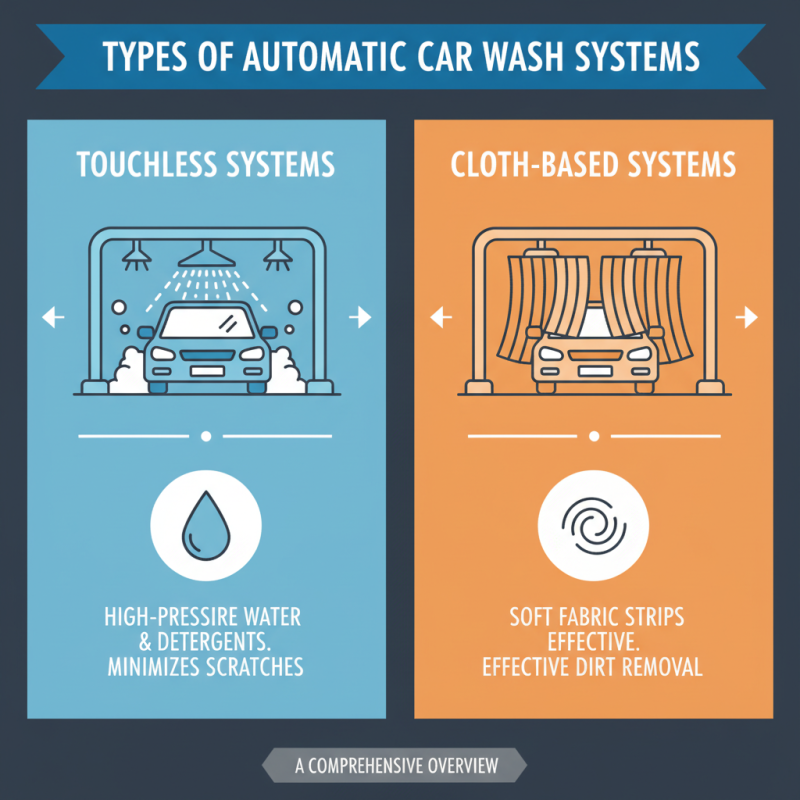
Types of Automatic Car Wash Systems: A Comprehensive Overview
Automatic car wash systems come in various types, each designed for specific needs. There are touchless systems that use high-pressure water jets and detergents. These systems minimize physical contact with the vehicle’s surface, reducing the risk of scratches. Then, there are cloth-based systems that use soft fabric strips to clean the car. This method can be very effective in removing dirt.
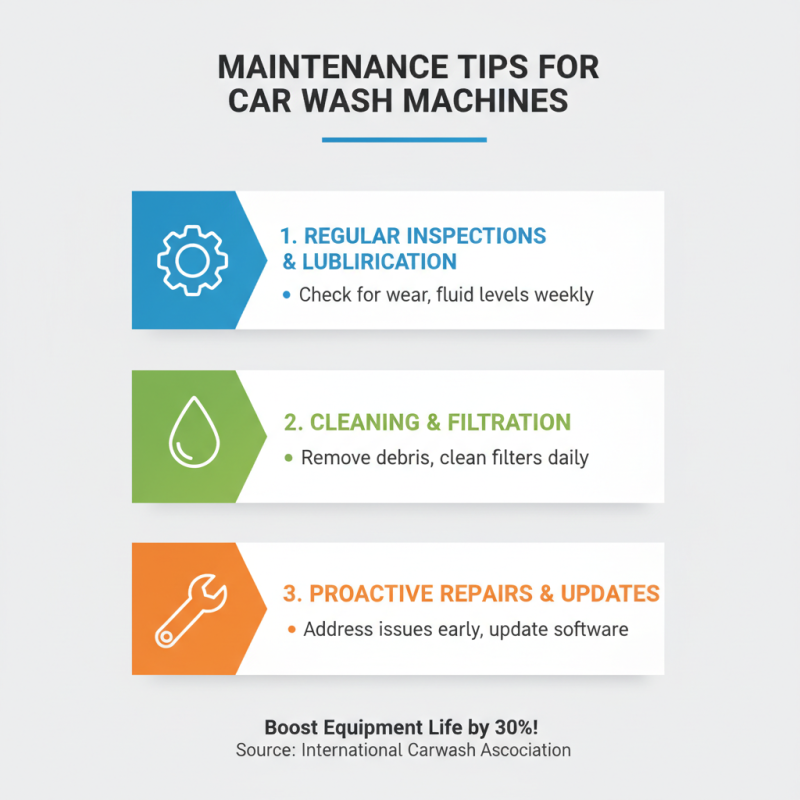
Don't forget maintenance! Regularly checking the equipment is crucial. Wear and tear can significantly affect performance. Ensure that brushes and water jets are functioning properly. Clogged nozzles can lead to subpar washing results.
Another type of system is the tunnel wash, where vehicles pass through a series of cleaning stations. This setup often includes drying options too. However, it requires a lot of space and good organization to operate smoothly. Efficiency is key, but it's common to see delays during peak hours.
Before choosing, think about your specific needs. Each system has its pros and cons. Take time to evaluate. A well-suited system can lead to satisfied customers. Remember, not every system works for all environments. Be prepared to adjust!
Key Benefits of Utilizing Automatic Car Wash Equipment for Your Business
Automatic car wash equipment offers various benefits for businesses. According to industry reports, automatic car washes can clean a vehicle in under five minutes. This efficiency helps reduce waiting times, attracting more customers. Statistics show that over 70% of car wash customers prefer automated services for their speed and convenience. When your business prioritizes quick service, you create a more satisfying customer experience.
Investing in automatic car wash equipment can significantly enhance operational efficiency. Businesses often report a higher volume of cars washed daily. Data indicates that automatic washes can process up to 120 cars per hour. Moreover, these systems require less water and chemicals compared to traditional hand washes. This eco-friendly approach can appeal to environmentally conscious customers.
Tip: Regular maintenance of your equipment is crucial. Neglect can lead to costly breakdowns and downtime. Ensure to schedule routine check-ups to avoid service interruptions. Another tip: consider customer feedback. Are your services meeting their expectations? Engage with your clientele to address their needs and make improvements. This will foster customer loyalty and possibly increase repeat business.
Maintenance Tips for Ensuring Longevity of Your Car Wash Machines
Maintaining car wash machines is crucial for their longevity. Regular maintenance can reduce downtime significantly. A study by the International Carwash Association indicates that proper upkeep can extend equipment life by 30%. This means higher returns for business owners.
Daily checks are essential. Inspect components like brushes, pumps, and nozzles. Clogged nozzles can lead to inconsistent washing. In fact, 20% of car wash failures are due to neglecting such basic maintenance. Keeping equipment clean will help maintain efficiency.
Water quality is another important factor. Hard water can cause mineral buildup. This can damage pumps and reduce the effectiveness of cleaning agents. Regularly adding descalers can counter this issue. It's a simple step but is often overlooked. Implementing a clear maintenance schedule, while ensuring staff are well-trained, can dramatically improve equipment longevity.
Comparative Analysis of Leading Brands in Automatic Car Wash Technology
The automatic car wash industry is evolving rapidly. Leading brands focus on enhancing efficiency and user experience. A recent report shows a 15% increase in automated car wash systems globally in the last year. This growth stems from demand for convenience and eco-friendly options.
When analyzing different brands, consider the technology they employ. Most systems now feature advanced sensors and water-saving mechanisms. These innovations not only improve cleaning quality but also reduce water usage by up to 70%. A good option can help reduce your environmental footprint.
Tips: Always inspect equipment maintenance records before purchase. Regular updates can significantly enhance performance. Also, keep an eye on customer reviews; they provide real-world insights often missing from brochures. Remember, not all options may meet your specific needs. Research carefully to ensure it aligns with your expectations. Strive for the perfect balance between cost and efficiency when choosing automatic car wash equipment.
Top 10 Automatic Car Wash Equipment You Need to Know
| Model |
Washing Technology |
Processing Time (Minutes) |
Water Consumption (Liters) |
Energy Consumption (kWh) |
Price Range (USD) |
| Model A |
Soft Cloth |
5 |
30 |
2 |
15,000 - 20,000 |
| Model B |
Touchless |
7 |
20 |
1.5 |
12,000 - 18,000 |
| Model C |
Foam Brush |
6 |
25 |
1.8 |
14,000 - 19,000 |
| Model D |
Hybrid |
5 |
35 |
2.5 |
16,000 - 22,000 |
| Model E |
Steam Cleaning |
8 |
15 |
1.2 |
18,000 - 25,000 |