Top 10 Automated Truck Wash Solutions for the 2026 Canton Fair?
The 2026 Canton Fair is set to showcase groundbreaking innovations, among which Automated Truck Wash solutions stand out. This event will draw manufacturers and buyers from around the globe, all interested in the latest technologies in various sectors. The emphasis on advanced manufacturing and machinery opens doors for highly automated cleaning solutions, particularly for the trucking industry.
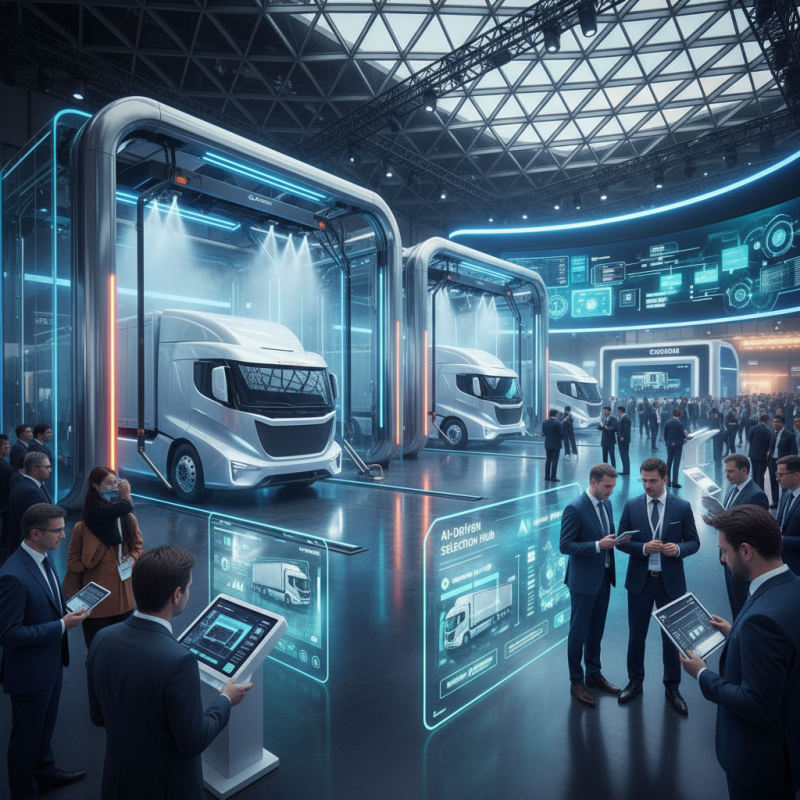
Automated Truck Wash systems offer convenience and efficiency. They can handle large fleets and ensure compliance with environmental standards. However, not all systems are created equal. Some might lack the necessary certifications, leading to complications. Buyers must be discerning and rely on AI-driven tools introduced at the fair to make informed choices.
Attendees can use AI to filter suppliers by crucial qualifications, such as ISO and CE certifications. The fair's layout planning also enhances movement efficiency. Automated Truck Wash solutions are pivotal in the transportation sector, yet careful consideration is essential. Not every product will meet the buyers' expectations. The balance between innovation and practicality must be at the forefront of exhibitors’ offerings.
Overview of Automated Truck Wash Solutions
Automated truck wash solutions are revolutionizing how fleets maintain cleanliness. These systems use advanced technology for efficiency. They can wash multiple trucks in a matter of minutes. With water-saving features, they are environmentally friendly. Additionally, their integration with sensors ensures thorough cleaning, even in hard-to-reach areas.
Many automated washes are still perfecting their processes. Some systems may leave spots or miss some dirt. This issue can frustrate fleet managers who seek a flawless finish. Regular maintenance is crucial for optimal performance. The development of smart washing systems continues. Companies are focused on refining user interfaces and reducing operational costs.
In establishing a competitive edge, some aspects may still need improvement. Customer feedback is essential for ongoing innovation. Creative solutions to common problems enhance user satisfaction. The landscape of automated truck washes is changing rapidly. As fleets demand better service, the industry must adapt and grow. Continuous evaluation of technology will drive future advancements.
Top 10 Automated Truck Wash Solutions for the 2026 Canton Fair
| Model |
Cleaning Technology |
Water Consumption (Liters) |
Cleaning Time (Minutes) |
Capacity (Trucks/Hour) |
Special Features |
| Model A |
High Pressure Wash |
150 |
5 |
30 |
Eco-Friendly Detergent |
| Model B |
Foam Cleaning |
200 |
6 |
25 |
Automated Drying System |
| Model C |
Touchless Wash |
100 |
4 |
35 |
Advanced Sensor Technology |
| Model D |
Brush Wash |
120 |
7 |
20 |
Multi-Stage Purification |
| Model E |
Steam Cleaning |
80 |
5 |
40 |
No Chemical Residue |
| Model F |
Rinse and Dry |
140 |
6 |
33 |
Automated Water Recycling |
| Model G |
Ultrasonic Cleaning |
60 |
3 |
50 |
Deep Cleaning Efficiency |
| Model H |
Integrated Wash |
170 |
5 |
28 |
User-Friendly Interface |
| Model I |
Foam and Rinse |
130 |
6 |
30 |
Vibration Technology |
| Model J |
Pollution Control |
90 |
5 |
35 |
Biodegradable Chemicals |
Key Features to Consider in Truck Wash Systems
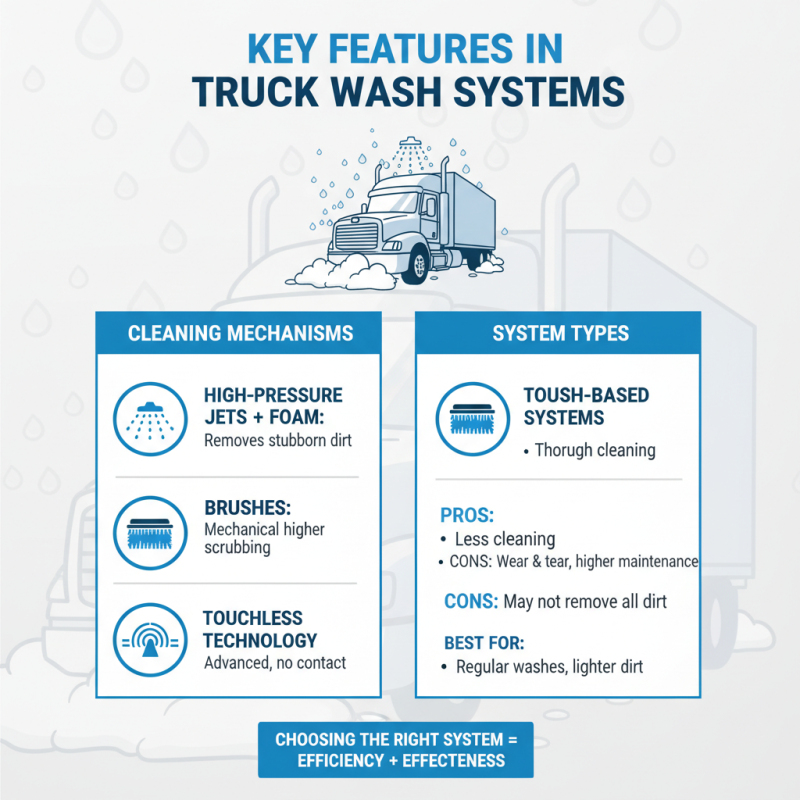
When exploring automated truck wash solutions, key features can significantly impact efficiency and effectiveness. One essential aspect is the cleaning mechanism. High-pressure jets combined with foam application can remove stubborn dirt. Some systems employ brushes, while others use advanced touchless technology. Each option has its merits and drawbacks. Choosing the right system may not be straightforward, as both have different maintenance needs.
Water recycling is another critical feature. Eco-friendly systems minimize water waste. They capture, filter, and reuse water for multiple washes. This not only benefits the environment but can also lower operational costs. However, some users may find the initial setup daunting. Evaluating the long-term savings against upfront expenses is necessary but often challenging.
Automation and ease of use are vital. Systems that require minimal manual intervention save time. Touchscreen controls can make operation straightforward. Nevertheless, training staff to handle breakdowns efficiently is crucial. Many companies underestimate this need, leading to downtime. Assessing all these factors can guide choices that align with operational needs.
Environmental Impact of Automated Truck Wash Technologies
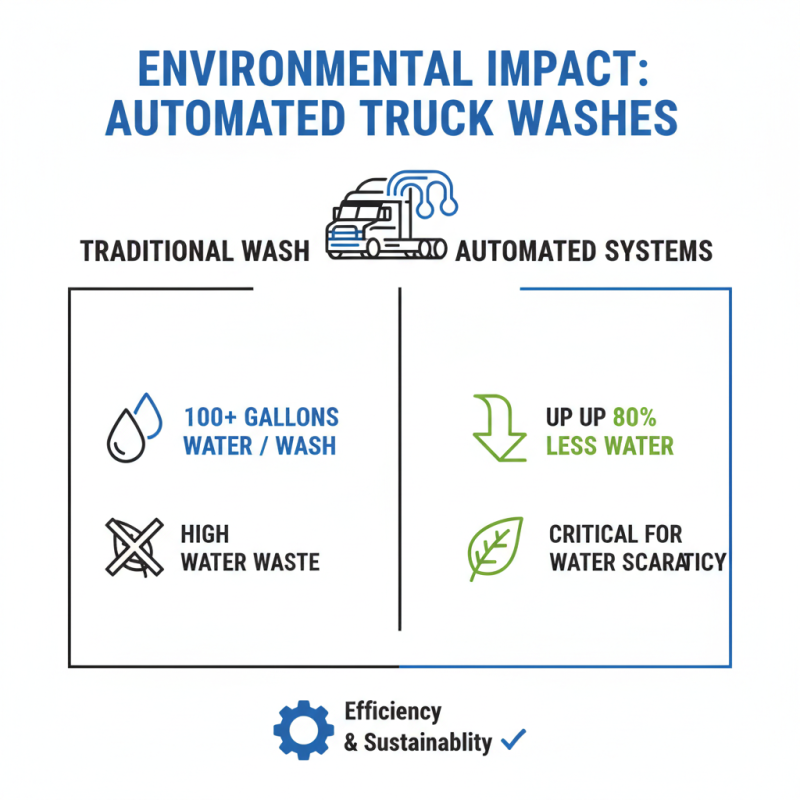
Automated truck wash technologies are transforming the logistics industry. These systems not only enhance efficiency but also address environmental concerns. According to a recent report, traditional truck washing methods consume significant amounts of water—over 100 gallons per wash. In contrast, some automated systems can reduce water usage by up to 80%. This is a critical improvement as water scarcity becomes an increasing global issue.
Moreover, advanced automated washes use biodegradable detergents, minimizing harmful runoff. A study noted that certain systems have created a 50% reduction in harmful chemical discharge into waterways. However, not all automated washes are equally efficient. Many systems still rely on high-pressure sprays that can contribute to soil erosion and habitat damage.
There's room for improvement in energy consumption, too. Automated washes sometimes operate using fossil fuels, which is counterproductive to sustainability goals. Moving forward, the integration of solar technology and energy-efficient designs in wash facilities could further reduce their environmental footprint. The challenge lies in balancing automation benefits with ecological responsibilities. Ensuring that these innovations do not lead to unintended negative consequences requires ongoing assessment and adaptation.
Cost Analysis of Top Automated Truck Wash Solutions
Automated truck wash solutions are evolving rapidly. The market is expected to reach $2 billion by 2026, driven by stringent regulations and environmental pressures. These systems are essential for maintaining hygiene and compliance in the logistics sector. Many companies are exploring various options to meet specific needs and budgets.
Cost analysis shows that initial investments can vary significantly. Basic systems start around $50,000, while advanced options may exceed $200,000. It's not just the purchase price; operational costs also matter. Water consumption and energy efficiency play crucial roles in ongoing expenses. Some automated washes consume up to 200 gallons per wash, increasing water bills. Yet, they save time, and labor costs can drop by 30%.
It's crucial to analyze total cost of ownership. Short-term savings may lead to long-term inefficiencies. Operators often overlook maintenance. Regular upkeep can avoid breakdowns, but costs can add up. An unkempt system might lead to more substantial repair fees. Evaluating these factors is key to making informed decisions.
Future Trends in Automated Truck Wash Systems at Trade Fairs
As the 2026 Canton Fair approaches, the spotlight is on automated truck wash systems. Efficiency, cost-effectiveness, and technological advancements are transforming this segment. Industry reports highlight a projected 15% growth in automated cleaning solutions by 2025. This trend is driven by rising environmental regulations and the need for quick service in logistics.
Many companies now focus on integrating AI. Smart sensors enable real-time monitoring, optimizing water usage up to 30%. These innovations not only save resources but also enhance the cleaning quality. However, there are challenges. High initial costs and technical maintenance can deter potential users. As we explore these trends, it's crucial to consider long-term investments versus short-term expenses.
Tips: Evaluate the energy consumption of different systems. It’s essential to find a machine that balances cost and efficiency. Look for reviews from industry professionals to gauge reliability. Always remember, the goal is not just cleanliness but sustainability. Newer systems must abide by stricter environmental standards. Keeping this in mind can guide decision-making and ensure compliance with future regulations.