Top Tips for Choosing the Best Electric Car Wash Machine
The demand for high-quality Electric Car Wash Machines has surged as the eco-conscious approach to vehicle maintenance gains traction. According to industry reports, the global car wash market is projected to reach $39.27 billion by 2026, a testament to the growing popularity of automated cleaning solutions. Consumers increasingly seek efficiency and effectiveness in their car care routines, making the choice of equipment crucial.
Selecting the right Electric Car Wash Machine can significantly impact both business profitability and environmental sustainability. For instance, studies suggest that electric machines use up to 70% less water compared to traditional methods. This not only reduces costs but also helps conserve vital resources. However, a myriad of options on the market can make decision-making challenging.
Potential buyers must weigh factors like operational efficiency, maintenance requirements, and energy consumption. It’s important to note that not all machines are created equal; some may promise efficiency but fail to deliver in practice. As with any investment, researching and understanding the various models on offer is essential to avoid costly mistakes. Ultimately, a well-chosen Electric Car Wash Machine is a vital asset in both personal and commercial car care.
Understanding Electric Car Wash Machines: Key Features to Consider
When selecting an electric car wash machine, understanding key features is essential. Look for durability in the construction. A sturdy machine can withstand regular use without compromising performance. The design should facilitate easy maintenance; machines that are hard to clean will often suffer from performance issues over time.
Consider the water and energy efficiency of the machine. Efficient models save money while being environmentally friendly. Features like adjustable pressure can help customize the cleaning experience. Some users prefer models that come with various attachments, enhancing versatility. Pay attention to user reviews. They often highlight long-term reliability and any recurring issues.
Another important aspect is noise level. Quieter machines are often more pleasant to use, especially in residential areas. Counterintuitively, some models may be praised for performance but suffer in silence levels. Identifying this discrepancy can help you avoid unpleasant surprises. Lastly, consider the size and weight. A compact model might fit your needs better than a large, cumbersome option, especially if space is limited.
Evaluating Power and Performance: Importance of Water Pressure and Flow
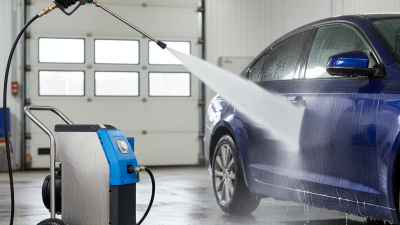
When choosing an electric car wash machine, water pressure and flow are crucial factors. High water pressure ensures dirt and grime are effectively removed from surfaces. A machine with at least 1500 PSI is often recommended. This level effectively cleans tough residues without damaging the car's finish. However, too much pressure can potentially harm delicate components. Finding a balance is essential.
Flow rate also plays an important role. A flow rate of 1.5 to 2.5 gallons per minute (GPM) is typically ideal. This ensures adequate water distribution for a thorough wash. Machines with higher flow rates may use more water, which can be wasteful and less eco-friendly. Reflecting on water usage can lead to better choices.
It's important to consider your specific needs when evaluating pressure and flow. Customizing settings for different car types may enhance the washing experience. Not every vehicle requires the same intensity. Understanding these parameters can refine your selection process, leading to a washing solution that meets your standards. Reflection on how a machine's attributes align with personal usage is vital. Each choice contributes to overall performance and satisfaction.
Power and Performance of Electric Car Wash Machines
Assessing Size and Portability: Finding the Right Fit for Your Space
When choosing an electric car wash machine, size and portability are crucial factors. Consider your storage space carefully. If you have a small garage or limited outdoor area, a compact unit may be your best option. Measure your available space to avoid frustration later. A machine that’s too large can be cumbersome, impacting your cleaning experience.
Portability is essential, especially if you wash cars at different locations. Look for features like wheels or a lightweight design. These can make transportation easier. However, be cautious; lightweight doesn’t always mean less durable. Balance is key. A smaller, portable machine should still deliver powerful cleaning performance.
Don’t overlook power supply requirements. Ensure your chosen machine can connect to your available outlets. It's disappointing to find that your ideal unit isn't compatible. Research customer experiences, as they often reveal hidden issues. Take your time to reflect on what fits your lifestyle. A well-considered choice can lead to better satisfaction in the long run.
Exploring Different Water Sources: Tap Water vs. Onboard Tanks
When selecting an electric car wash machine, the choice of water source plays a crucial role. Tap water is convenient and readily available for most car wash setups. It's easy to connect and often provides a consistent pressure, making it efficient for quick washes. However, this option may vary in quality depending on your local supply. Hard water can leave mineral deposits, which could impact the vehicle's finish over time.
Onboard tanks offer a different experience. They let you control the water quality, ensuring a cleaner wash. This is especially beneficial in areas with hard water. Having a dedicated supply also allows for flexibility in where you can operate the machine. But, understanding the tank capacity is essential. A smaller tank may limit your washing time and require frequent refills. It's a balance between convenience and reliance on available resources.
Choosing between these options might require some testing. You may find that your car looks better when washed with tank water rather than tap. This small detail could change your overall washing experience. Each water source has pros and cons, and evaluating them based on your specific needs is key.
Top Tips for Choosing the Best Electric Car Wash Machine - Exploring Different Water Sources: Tap Water vs. Onboard Tanks
| Criteria |
Tap Water |
Onboard Tanks |
| Initial Cost |
Lower initial setup cost |
Higher initial setup due to tank installation |
| Water Quality |
Dependent on municipal supply |
Consistent quality, can filter before use |
| Water Availability |
Always available in urban areas |
Limited by tank capacity |
| Convenience |
Requires hose connection |
Portable, can wash anywhere |
| Maintenance |
Low maintenance |
Requires regular cleaning and monitoring |
| Environmental Impact |
Potential water waste |
More efficient water usage |
Budgeting for Your Purchase: Cost Considerations and Maintenance Tips
When budgeting for an electric car wash machine, consider both upfront costs and long-term maintenance. The initial investment ranges widely, starting around $5,000 for basic models to upwards of $25,000 for more advanced systems. According to a report from the International Car Wash Association, keeping track of these costs is essential for profitability. This investment should also factor in potential financing options available that can ease the burden of upfront payments.
Maintaining an electric car wash machine is as crucial as the acquisition cost. Regular maintenance can prevent costly repairs down the road. It is advisable to allocate 2%-5% of the purchase price annually for maintenance. This includes inspections, parts, and cleaning. A neglected machine can lead to inefficiency, ultimately affecting the service quality offered to customers. The National Association of Automated Merchandising Services suggests that preventive maintenance extends the life of car wash equipment, reducing the overall cost.
Many novices overlook the importance of energy consumption when evaluating cost. According to energy consumption data, electric car wash machines typically use 2-4 kWh of energy per wash cycle. This can add up significantly over time. Understanding these nuances can offer a clearer picture of long-term expenses. So, while eyeing the latest technology, be mindful of hidden costs that could impact your budget and profitability.