In the world of automotive maintenance, the effective use of a Pressure Car Wash Machine stands as a crucial element for both professionals and car enthusiasts alike. John Smith, a leading expert in car detailing technology, emphasizes the significance of proper technique: "Mastering the art of pressure washing not only enhances the vehicle's appearance but also ensures its longevity." His insight underscores the importance of understanding the capabilities and functions of a Pressure Car Wash Machine to achieve optimal results.
As car owners increasingly seek efficient and thorough cleaning solutions, mastering the nuances of a Pressure Car Wash Machine becomes paramount. From the type of nozzle used to the correct distance from the surface being cleaned, each detail plays a vital role in preventing damage while delivering a showroom shine. By integrating expert tips and best practices, users can maximize their experience and investment in these powerful cleaning machines.
Moreover, understanding how to leverage the full potential of a Pressure Car Wash Machine can transform the mundane task of washing into a rewarding and satisfying procedure. Whether you're tackling stubborn grime or simply maintaining your vehicle's aesthetic appeal, these essential tips will guide you towards achieving stellar results with ease and efficiency.
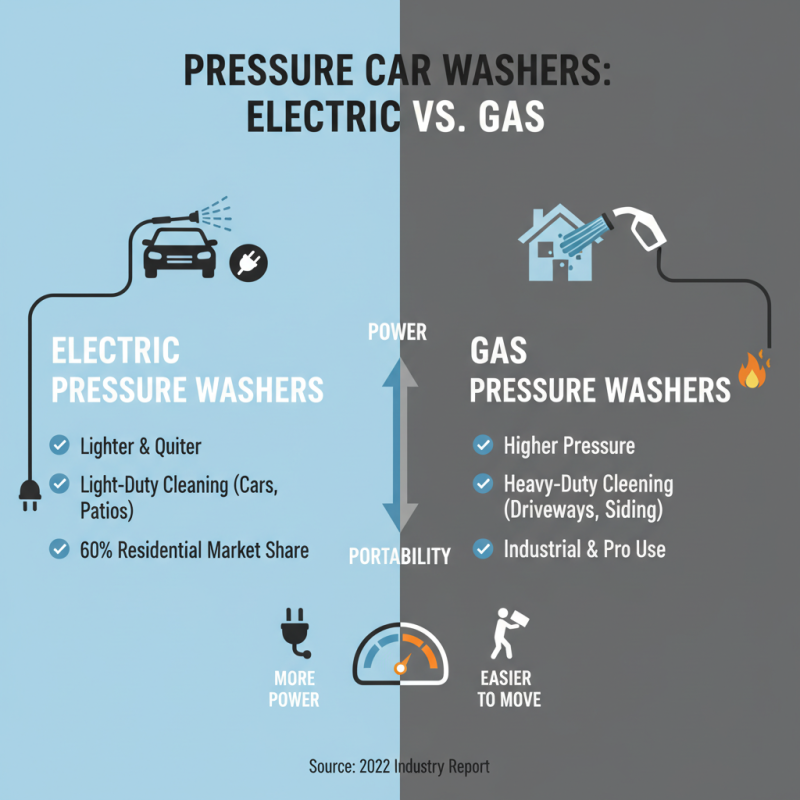
When it comes to pressure car wash machines, understanding the various types available and their specific uses can significantly enhance both efficiency and effectiveness. Broadly categorized, pressure washers can be classified into electric and gas models. Electric pressure washers are typically lighter, quieter, and better suited for light-duty cleaning tasks, such as washing cars and patios. According to a 2022 industry report, electric units account for approximately 60% of the residential pressure washer market, indicating a strong preference among consumers for convenience and ease of use. In contrast, gas-powered pressure washers deliver higher pressure levels, making them ideal for more demanding jobs, such as heavy-duty cleaning of driveways and siding.
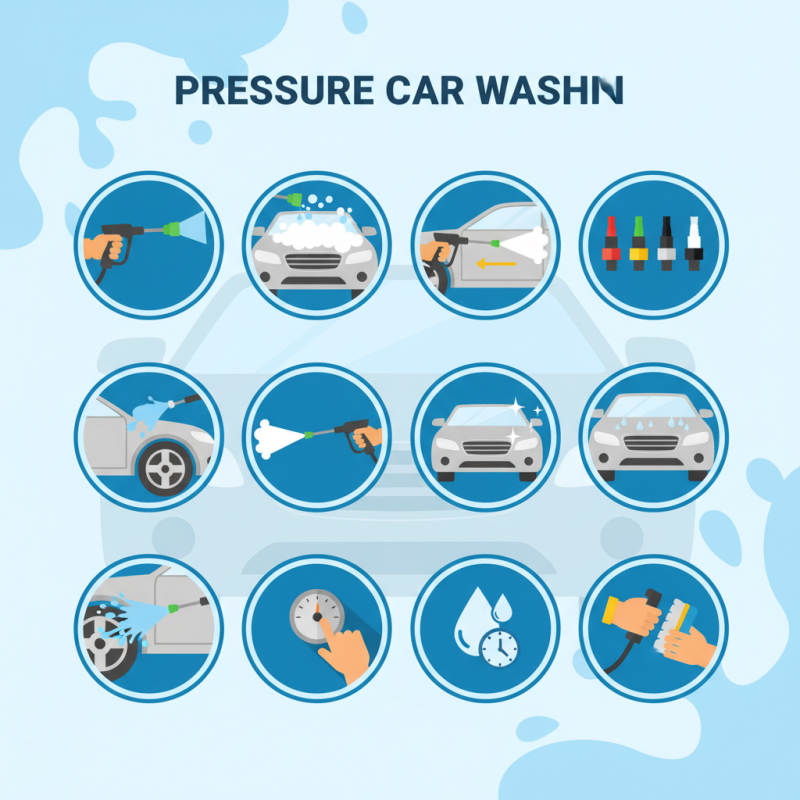
In addition to understanding the power source, knowing the pressure ratings is crucial. Measured in pounds per square inch (PSI), this figure determines the washer's cleaning capability. For car washing, a machine with a PSI ranging from 1500 to 3000 is generally recommended to effectively remove dirt residues without damaging the vehicle’s surface. A recent survey highlighted that using a pressure washer within this range can reduce cleaning time by up to 50%, compared to traditional methods. Furthermore, the choice of nozzle, often color-coded for differing spray angles and purposes, can significantly affect cleaning performance. For instance, a wide spray fan is ideal for rinsing, while a targeted nozzle is more effective at spot cleaning stubborn grime. Understanding these distinctions will lead to more informed decision-making in selecting the right pressure washer for your specific needs.
Before using a pressure car wash machine, it's crucial to prioritize safety to prevent accidents and damage. First, always wear appropriate protective gear, including safety goggles and gloves, to shield yourself from flying debris and high-pressure water. Ensure that the area around the washing site is clear of obstacles, and never operate the machine in wet conditions to avoid slipping.
Additionally, familiarize yourself with the equipment's manual and safety features prior to operation. This knowledge can help you understand how to properly handle the machine and identify potential hazards. Always check the pressure settings before starting; using excessive pressure can not only damage the vehicle's finish but also pose a risk of injury.
When you are ready to begin, remember these essential tips: maintain a safe distance from the surface being washed and use sweeping motions to minimize concentrated pressure on any spot. Also, be cautious of sharp angles and edges on the car; these areas can be particularly vulnerable. Following these precautions ensures that you can enjoy the efficiency of a pressure car wash machine while keeping yourself and your vehicle safe.
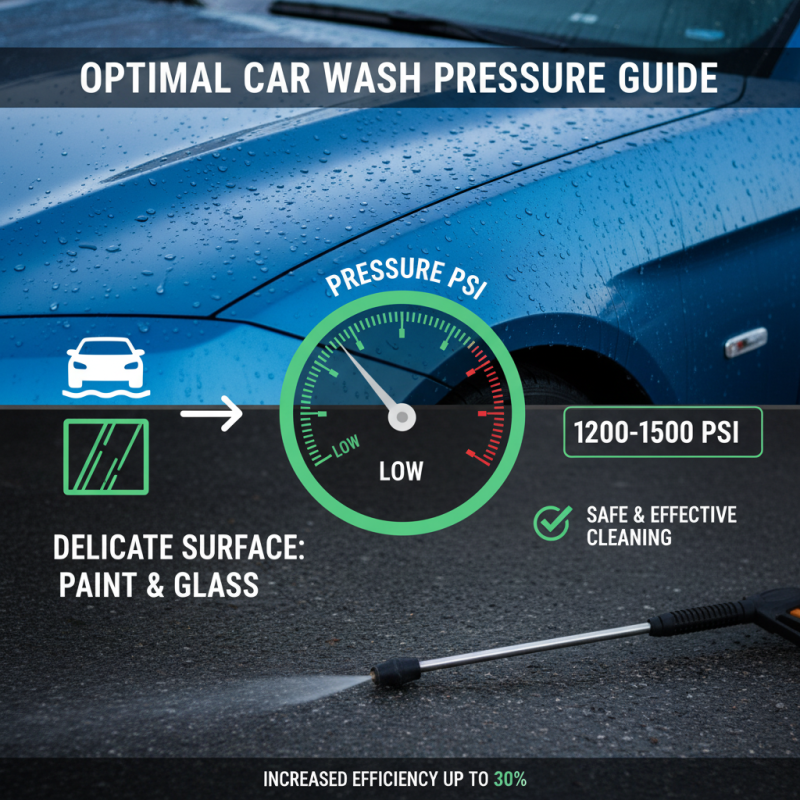
When using a pressure car wash machine, selecting the optimal pressure settings for different vehicle surfaces and cleaning tasks is crucial to achieving effective results without causing damage. According to industry research from the International Car Wash Association, adjusting the pressure based on the surface type can increase cleaning efficiency by up to 30%. For delicate surfaces like painted finishes and glass, a low pressure setting of around 1200 to 1500 PSI is recommended. This gentle approach helps to lift dirt and grime without risking scratches or damage to protective coatings.
Conversely, for tougher surfaces such as wheels and undercarriages, pressures can be increased to between 1500 and 2200 PSI. This higher setting is effective in removing stubborn brake dust, road grime, and grease that tend to accumulate in these areas. Additionally, for tasks like degreasing engines, a high-pressure wash should be directed at an angle rather than directly on components to avoid water intrusion into critical areas. It's important to complement pressure adjustments with appropriate nozzles; a 25-degree nozzle works well for most cleaning jobs, while a 0-degree nozzle can be reserved for focused cleaning tasks on hard surfaces. By tailoring pressure settings to the specific vehicle surfaces and cleaning jobs, users can ensure a professional-quality clean without compromising the integrity of the vehicle.
Achieving thorough cleanliness with a pressure car wash machine often requires more than just a blast of water. Understanding the most effective techniques for removing stubborn dirt and stains is crucial. According to a report by the American Cleaning Institute, over 70% of consumers struggle with stubborn grime, underscoring the importance of effective pressure washing techniques. One such technique involves using the right nozzle for the specific task; a wide-angle nozzle is ideal for general cleaning, while a concentrated nozzle can help tackle more ingrained stains like bird droppings, tree sap, or road tar.
Additionally, pre-treating surfaces with a suitable cleaning solution can significantly enhance the effectiveness of a pressure washer. The National Association of Pressure Washers recommends using biodegradable detergents that are compatible with pressure washing to loosen heavy dirt and grime. Allowing the cleaning solution to dwell for 5-10 minutes before rinsing can yield better results, as the chemicals work to break down the stubborn stains.
Furthermore, employing proper pressure settings — generally between 1,200 to 2,200 PSI for vehicle cleaning — will minimize the risk of damaging surfaces while ensuring thorough removal of dirt. This balanced approach can transform your car cleaning regimen and extend the lifespan of your vehicle's exterior.
When using a pressure car wash machine, proper maintenance is crucial for both longevity and optimal performance. One essential tip is to regularly check and clean the filters to prevent clogs and ensure efficient operation. Dirty filters can restrict water flow, leading to reduced pressure and ineffective cleaning. Cleaning the filters after every few uses can save time and enhance the machine's lifespan.
Another valuable tip is to store the machine in a sheltered area when not in use. Extreme weather conditions, such as freezing temperatures or heavy rain, can damage the internal components. If outdoor storage is unavoidable, consider using a protective cover to shield the machine from the elements. Additionally, always drain the water and disconnect all attachments before storage to prevent any corrosion or damage to the parts.
Routine inspections of the hose and nozzles are also essential. Look for any signs of wear or tears that could lead to leaks. Replacing damaged parts promptly not only enhances performance but also prevents further damage to the machine. By following these maintenance tips, you can ensure that your pressure car wash machine remains effective and reliable for years to come.