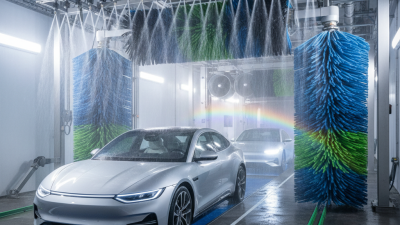
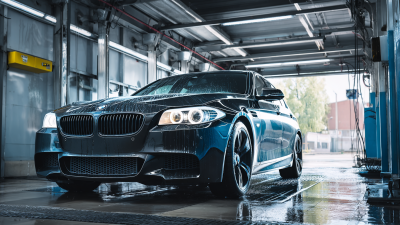
When it comes to running an automatic car wash, understanding the essential automatic car wash parts is crucial. Each component plays a vital role in ensuring efficiency and effectiveness. From brushes to pumps, these parts work together seamlessly. A lack of familiarity with these elements can lead to operational issues.
Automatic car wash parts include water sprayers, cleaning agents, and drying systems. Each part contributes to the overall performance of the wash. For instance, insufficient water pressure can leave dirt behind. The right brushes are essential; worn-out brushes can scratch car surfaces.
Regular maintenance of these parts is necessary. Neglecting them can result in costly repairs. Knowing when to replace or clean these components can make all the difference. While understanding automatic car wash parts may seem straightforward, many owners overlook the intricacies involved. It's vital to stay informed to keep operations running smoothly.
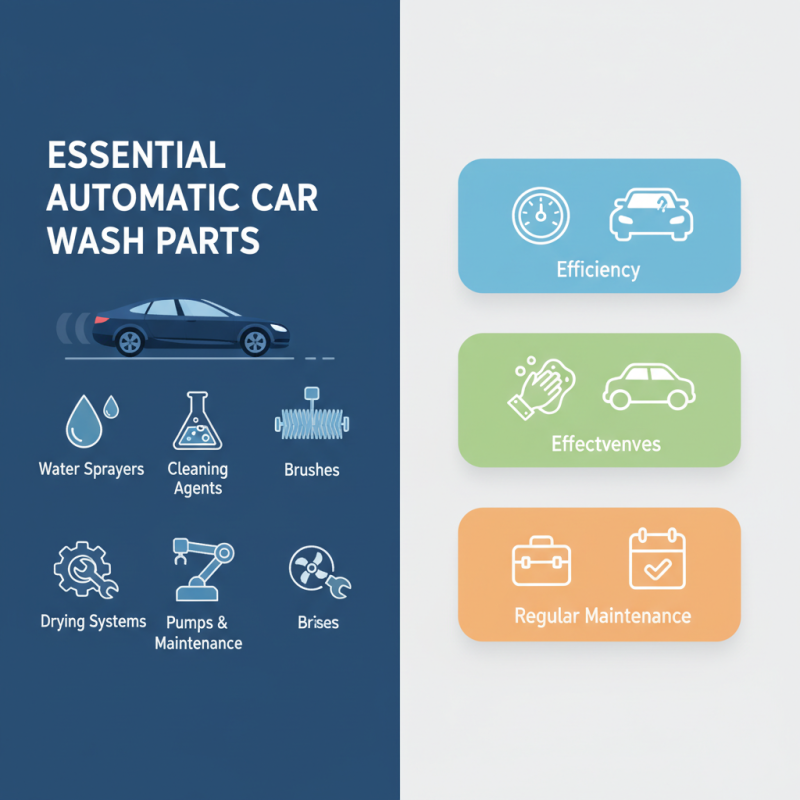
An automatic car wash system consists of several essential components that work together smoothly. The main parts include the wash tunnel, wash brushes, water spray systems, and drying equipment. According to industry reports, 70% of car washes worldwide employ some form of automation. This reflects a significant trend toward efficiency and convenience.
The wash tunnel is the heart of the operation. It guides vehicles through cleaning stages. Wash brushes, made from soft materials, prevent scratches while providing a thorough clean. The water spray system uses high-pressure jets, deploying about 45 gallons of water per vehicle, emphasizing the need for effective water management.
**Tip:** Regular maintenance of brushes and water systems can extend the lifespan of your equipment. A neglected brush can cause damage to vehicles over time.
Drying equipment, often using high-speed air dryers, is crucial for completing the wash process. Not all systems have effective drying solutions. Some consumers report they still notice water spots post-wash, indicating a gap in service.
**Tip:** Consider evaluating the drying performance regularly to enhance customer satisfaction. This small change can have a big impact.
| Part Name | Description | Function | Maintenance Tips |
|---|---|---|---|
| High-Pressure Pump | Delivers high-pressure water to clean vehicles. | Ensures effective dirt removal. | Check for leaks and clean filters regularly. |
| Brush System | Rotating brushes that scrub the vehicle’s surface. | Provides a thorough clean without scratching. | Inspect for bristle wear and replace when needed. |
| Conveyor System | Moves vehicles through the wash process. | Ensures consistent and efficient movement. | Lubricate tracks and inspect for blockages. |
| Water Softener | Removes minerals from water that can cause spotting. | Improves rinsing quality and shine. | Regularly check salt levels and replace as necessary. |
| Chemical Dispensing System | Dispenses cleaning agents during wash cycles. | Enhances cleaning power and protects surfaces. | Check for blockages and calibrate dosage regularly. |
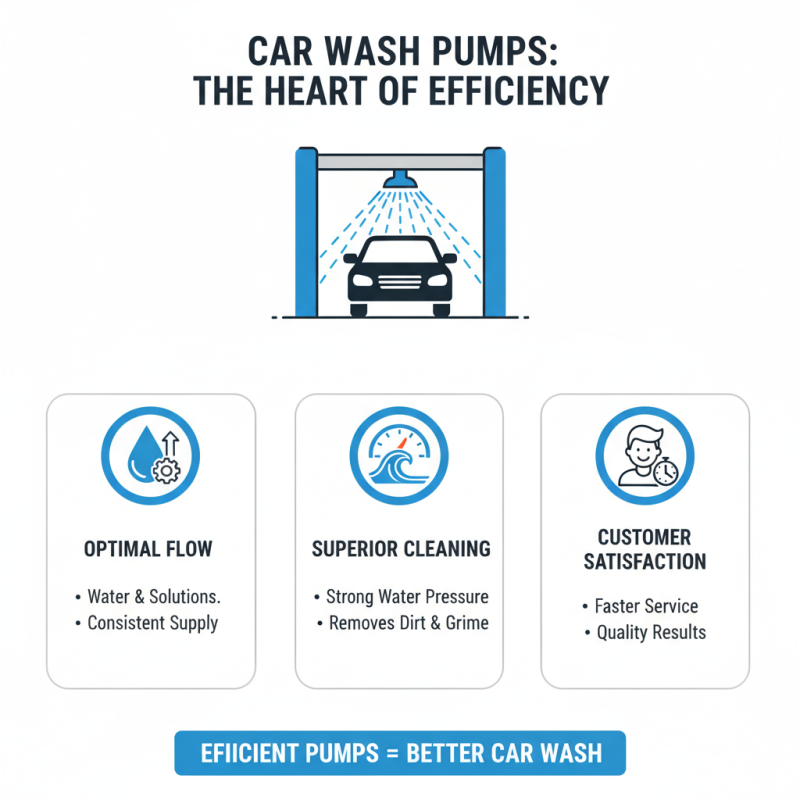
In a car wash, pumps play a crucial role. They facilitate the flow of water and cleaning solutions. Without efficient pumps, the washing process can slow down. This inefficiency can lead to customer dissatisfaction. A strong water pressure is vital. It ensures that dirt and grime are thoroughly removed.
Tips: Regular maintenance of pumps is key. Check for leaks and clogs regularly. A small leak can waste water and increase costs. Understanding the pump's capacity is also essential. Overloading it may cause premature wear.
The type of pump you choose impacts performance. Submersible pumps work well for deep applications. On the other hand, diaphragm pumps handle abrasive materials better. Each has pros and cons. Evaluating these options requires careful thought. Not all situations are straightforward. Take time to analyze your specific needs.
The conveyor system plays a vital role in automatic car wash efficiency. It allows vehicles to move smoothly through multiple cleaning stations. This seamless movement minimizes waiting time for customers. An efficient conveyor system ensures that each vehicle receives equal attention during the wash cycle. It can reduce labor costs and improve overall workflow.
However, not all conveyor systems are created equal. Some may fail to maintain a steady flow, leading to bottlenecks. Regular maintenance is crucial for these systems to avoid breakdowns. Every part must work in harmony to ensure peak performance. If one component falters, the entire operation may suffer delays.
Investing in quality conveyor technology is essential, but it also requires reflection on current practices. Are employees properly trained to deal with minor issues? Are there frequent inspections? These practices ensure that the conveyor system contributes positively to the car wash's efficiency. Observing how well the system performs can reveal areas that need improvement.
This bar chart illustrates the contribution percentage of essential automatic car wash parts to overall efficiency. The conveyor system plays the most crucial role, followed by water recycling systems, foaming brushes, drying systems, and control systems.
Brushes and cleaning agents play a vital role in automatic car washes. They are essential for maintaining vehicle cleanliness and appearance. Brushes remove dirt and grime effectively, while cleaning agents break down tough stains. According to a recent industry report, over 70% of car wash operators believe that high-quality brushes increase customer satisfaction.
The type of brush used matters greatly. Foam brushes are gentle and prevent scratches on the car’s surface. Meanwhile, soft cloth brushes offer a balance between effective cleaning and safety. Cleaning agents need to be environmentally friendly. They should be powerful yet safe for paint and chrome surfaces. Data shows that 80% of customers prefer car washes that use eco-friendly products.
Tip: Choose brushes based on your vehicle type. A sedan might need different care than an SUV. Regularly inspect and change brushes as wear affects their cleaning ability. Proper maintenance of cleaning agents is essential too. Store them in cool, dry places to preserve their effectiveness.
Remember, not all brushes are created equal. There is always room for improvement. Consider customer feedback on the cleanliness of their vehicles post-wash. Adjustments based on their insights can enhance overall service quality.
Water recycling systems are crucial in modern car washes. They reduce water consumption significantly, which is vital given the increasing water scarcity issues. Research indicates that these systems can save up to 80% of water, allowing businesses to operate more sustainably. In an industry where water costs can represent a large portion of operational expenses, this is a game-changer.
However, implementing these systems is not without challenges. Some operators may find the initial investment daunting. Maintenance and technical knowledge are also required to keep the systems efficient. Flaws in the recycling process can lead to performance issues, risking customer satisfaction. Reports suggest that facilities without proper training experience a 30% decrease in efficiency over time.
Using advanced filtration and reverse osmosis can enhance water quality. Still, many car washes do not invest in these technologies. Inadequate knowledge can lead to wastefulness instead of sustainability. Incomplete systems may not filter out dirt and chemicals effectively, leading to water reusage that could harm vehicles. The potential for improvement remains considerable. Prioritizing staff training and system upgrades can yield better results moving forward.