Complete Guide to Essential Automatic Car Wash Parts for 2025
As the car wash industry continues to evolve, understanding the essential automatic car wash parts that contribute to operational efficiency and customer satisfaction is more crucial than ever. According to recent market research, the global automatic car wash systems market is projected to reach USD 6.45 billion by 2025, growing at a CAGR of 4.5%. This rapid expansion highlights the increasing adoption of automated car washing technologies, which rely heavily on sophisticated components and parts.
In the modern landscape of car washes, various automatic car wash parts play a pivotal role in ensuring the cleanliness, safety, and satisfaction of end-users. From high-pressure nozzles to advanced control systems, each component is designed to work seamlessly together to enhance the overall washing experience. As car owners become more conscious of vehicle maintenance, the demand for efficient and reliable automatic car wash systems is surging, thus emphasizing the need for industry stakeholders to stay informed about the critical parts that comprise these systems.
This comprehensive guide aims to shed light on the essential automatic car wash parts that not only meet the demands of today’s consumers but also enhance operational effectiveness. By delving into the specific functionalities, benefits, and innovations of these components, we hope to equip car wash operators and investors with the knowledge necessary to navigate this growing market successfully.
Overview of Automatic Car Wash Systems and Their Components
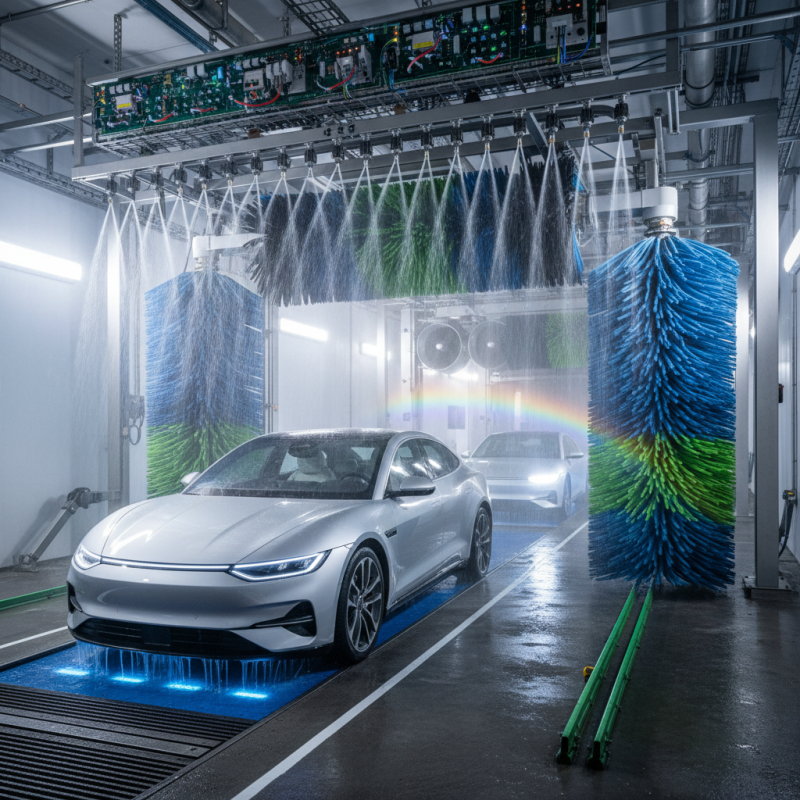
Automatic car wash systems have evolved significantly over the years, incorporating a variety of essential components to enhance efficiency and customer satisfaction. A comprehensive understanding of these systems reveals that they consist of several core parts including mechanical brushes, high-pressure wash nozzles, chemical dispensers, and drying mechanisms. According to the International Carwash Association, automatic car washes in the United States saw a revenue increase of 3.7% in the last year, highlighting the growing demand for effective and reliable washing systems.
Mechanical brushes serve as the first line of contact with the vehicle, utilizing soft materials combined with advanced brush technologies to prevent damage while effectively removing dirt and grime. Meanwhile, high-pressure wash nozzles play a crucial role in enhancing the rinsing process by delivering water at optimized pressure levels, which can improve cleaning efficiency by up to 30%. As for chemical dispensers, they ensure the right amount of detergent is applied, tailor-made for various types of vehicles and levels of dirt, leading to consistent wash quality. With an estimated 70% of customers preferring automatic over traditional hand washes, understanding these components becomes essential for car wash operators looking to stay competitive in the industry.
Key Parts and Technologies in 2025 Automatic Car Wash Machines
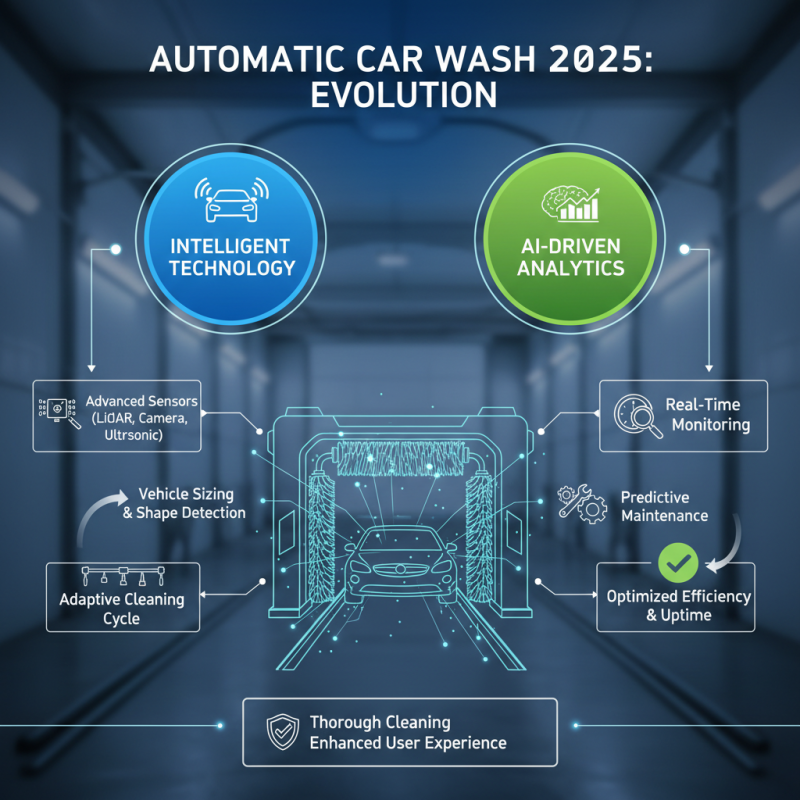
The evolution of automatic car wash machines in 2025 features advanced technologies and key components that enhance efficiency and user experience. One of the critical parts of these systems is the intelligent sensing technology, which utilizes advanced sensors to determine the size and shape of the vehicle. This capability allows the car wash to adjust its operation accordingly, ensuring thorough cleaning without damage to the vehicle. Additionally, the integration of AI-driven analytics enables real-time monitoring and predictive maintenance, minimizing downtime and optimizing operational efficiency.
Another significant aspect of 2025's automatic car wash technology is the incorporation of eco-friendly materials and water recycling systems. These machines now utilize biodegradable detergents and smart water management systems that recycle water, significantly reducing overall water consumption. Furthermore, the introduction of modular components facilitates easy upgrades and repairs, allowing operators to maintain their systems with minimal disruption. Together, these innovations reflect a commitment to sustainability while enhancing the effectiveness of automatic car wash services.
Maintenance and Troubleshooting of Automatic Car Wash Parts
When it comes to maintaining an automatic car wash, understanding each component's function is essential for optimal performance. Regular maintenance ensures that parts such as pumps, brushes, and dryers operate efficiently. Keeping an eye on wear and tear can help you replace parts before they fail, minimizing downtime. For example, regularly check the brushes for fraying and clean them to prevent debris accumulation that can lead to scratches on vehicles.
**Tips:** Schedule routine inspections every month to catch minor issues before they escalate, ensuring that all moving parts are lubricated properly and free of obstructions. Also, pay attention to the pressure of the water jets; it significantly impacts the cleaning efficiency of your system.
Troubleshooting can often be approached systematically. If you notice a decline in wash quality, check for clogs in the spray nozzles or ensure that the detergent dispenser is functioning correctly. Malfunctions such as unusual noises or inconsistent water flow can suggest problems with the pumps or connections. Always refer to the manufacturer's guidelines for specific troubleshooting strategies, but basic fixes can often be conducted in-house with minimal tools.
**Tips:** Keep spare parts on hand for commonly replaced items, such as belts and nozzles. This proactive approach can save time and keep your operation running smoothly when unexpected issues arise.
Future Trends in Automatic Car Wash Equipment Design
As we look toward 2025, the design of automatic car wash equipment is poised to undergo significant transformation driven by technological advancements and changing consumer expectations. One of the primary trends is the integration of artificial intelligence and machine learning into car wash systems. These technologies will enable equipment to analyze vehicle conditions more accurately, optimize wash cycles, and enhance water efficiency, resulting in a more tailored and eco-friendly service for customers.
Additionally, the push for sustainability will heavily influence future designs. Manufacturers are expected to prioritize the use of biodegradable soaps and recyclable materials within equipment construction. Furthermore, innovations such as water reclamation systems and energy-efficient operation modes will ensure that automatic car washes not only meet consumer demand for cleanliness but also align with environmental standards. As a result, the automatic car wash industry will likely see a surge in eco-conscious designs that appeal to an increasingly environmentally aware customer base.
Choosing the Right Automatic Car Wash Parts for Your Business
When choosing the right automatic car wash parts for your business, it is crucial to consider the specific needs of your operation. Different car wash systems require different components, and understanding these requirements will help you make informed decisions. Key factors to analyze include the type of car wash you are running—whether it's a touchless, soft cloth, or hybrid system—as each has distinct parts that optimize performance and efficiency.
Additionally, compatibility and quality of parts play a significant role in maintaining smooth operation. It's essential to select parts that fit seamlessly with your existing machinery to avoid costly downtimes and repairs. Look for durable materials and innovative designs that can withstand the rigors of daily use. Consulting with industry experts or conducting thorough research can guide you in sourcing reliable components that will ultimately enhance the customer experience and improve operational effectiveness for your car wash business.