How to Use an Automated Car Wash Effectively?
In the world of car maintenance, the Automated Car Wash has gained popularity for its convenience. Expert John Smith, a leading figure in the car wash industry, once said, “An effective car wash has the power to refresh a vehicle’s appearance in minutes.” To maximize the benefits, knowing how to use these services is crucial.
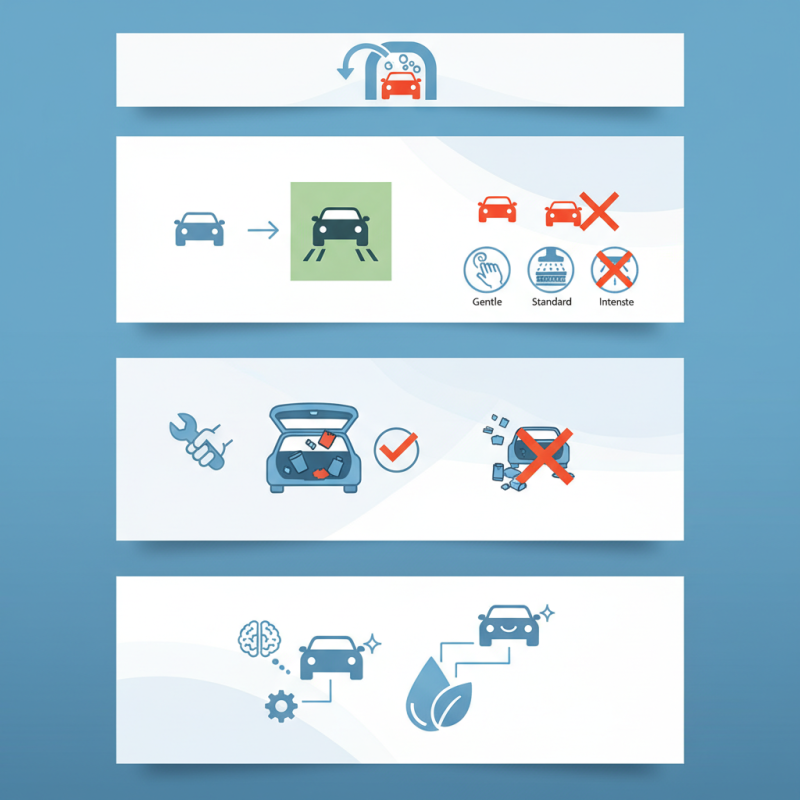
Parking correctly is the first step to a successful wash. If your vehicle is misaligned, the wash won’t clean as effectively. Many people underestimate the importance of selecting the right wash cycle. Using a gentle cycle on a new car preserves its finish, while a more aggressive approach may be needed for older vehicles.
Moreover, preparing your car beforehand can make a difference. Clearing out any personal items prevents damage during the wash. It’s easy to overlook these details, yet they significantly impact the result. Reflecting on what works best for your car is essential for a truly effective experience at the Automated Car Wash.
Understanding the Different Types of Automated Car Washes
Automated car washes come in various types, each with distinct features. The most common ones include touchless, soft cloth, and tunnel washes. Touchless systems rely on high-pressure water and detergents. They are ideal for avoiding scratches on the paintwork. However, they may not remove heavy dirt effectively. According to industry statistics, about 30% of car owners opt for touchless washes for their gentle approach.
Soft cloth washes use gentle cloth materials to clean vehicles. They provide thorough cleaning while minimizing risk to the car's finish. These systems often use specialized detergents that lift grime without harming paint. A recent report from the International Carwash Association suggests that around 40% of car washes in the U.S. are soft cloth types. This popularity indicates their effectiveness, although there are concerns about the potential for brush wear over time.
Tunnel washes are a staple in many areas. They can process many cars quickly and efficiently. However, they may not give the same attention as other types. Some car owners worry about the cleaning agents used. Reports indicate mixed feelings about chemical safety among users. This highlights the necessity for car owners to choose a wash that aligns with their priorities. Each type has its pros and cons; thus, understanding these differences is crucial for effective use.
How to Use an Automated Car Wash Effectively? - Understanding the Different Types of Automated Car Washes
| Type of Automated Car Wash |
Features |
Average Cost |
Time Required |
Recommended Frequency |
| Touchless Car Wash |
Uses high-pressure water jets and cleaning agents |
$10 - $20 |
5 - 10 minutes |
Every 2-4 weeks |
| Soft Cloth Car Wash |
Utilizes soft cloths for gentle washing |
$15 - $25 |
10 - 15 minutes |
Every 2-3 weeks |
| Drive-Through Car Wash |
Automated tunnel wash with multiple stages |
$20 - $30 |
10 - 20 minutes |
Every month |
| Self-Service Car Wash |
User-operated wash bays |
$5 - $15 |
15 - 30 minutes |
As needed |
Preparing Your Vehicle Before Using an Automated Car Wash
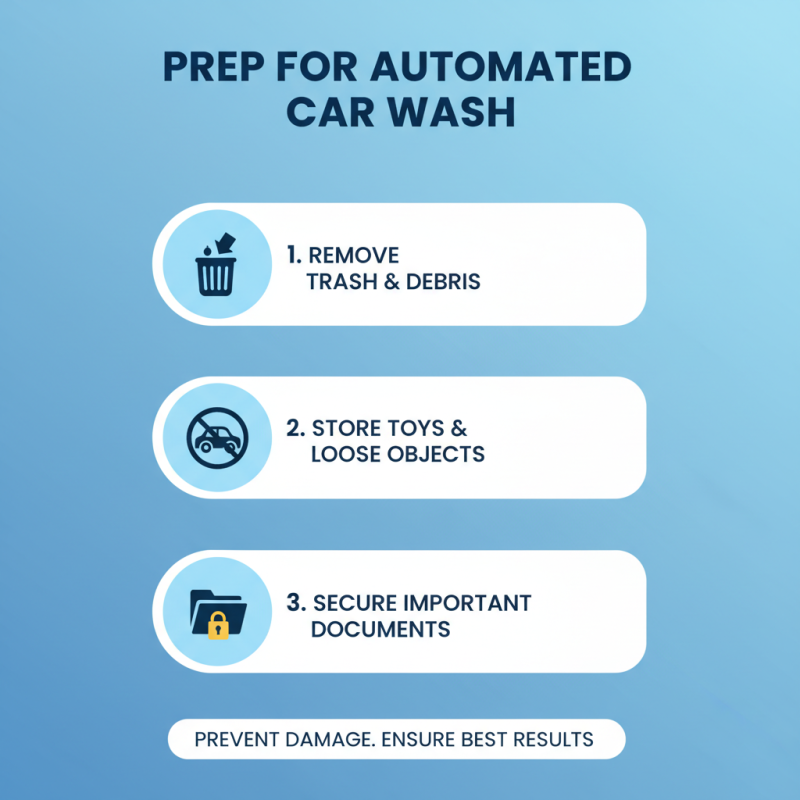
Preparing your vehicle before using an automated car wash is essential for the best results. Start by removing any personal items from your car. This includes trash, toys, and important documents. Leaving items inside can lead to potential damage.
Check your vehicle for loose parts. Items like antennas or mud flaps can get damaged during the wash. If your car has any specific areas of concern, consider hand-washing those spots first. This way, you avoid potential scratches or chips.
Tips: Ensure windows are fully closed. A gust of water could lead to a soggy interior. Also, check for any wax coatings. If you recently applied a wax, the wash may not clean as effectively. If your car has heavy dirt or mud, a rinse before the wash can make a big difference. Using an automated car wash does not mean skipping preparation. Take these small steps to avoid bigger issues later.
Step-by-Step Guide to Using an Automated Car Wash
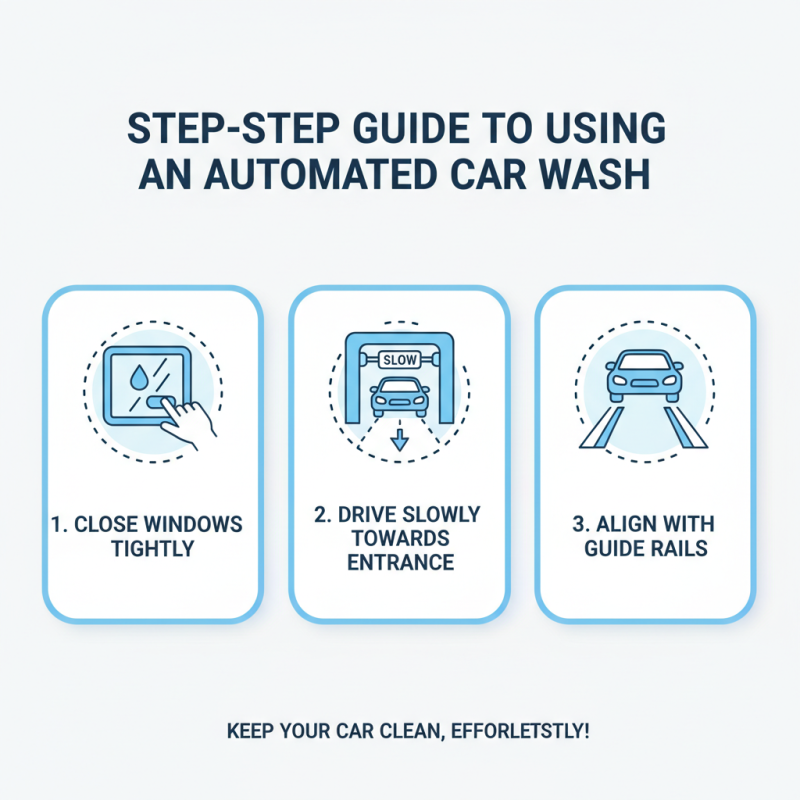
Using an automated car wash can be an efficient way to keep your vehicle clean. Before you enter, make sure your windows are closed tightly. This simple step can prevent water from entering your car. Drive slowly towards the entrance. Align your vehicle with the guide rails to avoid any mishaps.
Once inside, stay in your vehicle and follow the instructions displayed. Some washes have a timer, so don’t rush. If you have an antenna, check if it needs to be removed. It's easy to forget and suffer broken parts. Pay attention to the soap and rinse cycles. Sometimes, you might notice uneven coverage. If that happens, don’t hesitate to drive through again for a better clean.
After the wash, consider inspecting your car. Check for spots missed or residual soap. It’s important to reflect on the cleaning outcome. Look for areas where the wash didn't reach effectively. This might prompt a need for a manual touch-up later. Sometimes, an automated wash may not provide the thorough clean we expect. Embrace these imperfections as part of maintaining your vehicle.
Post-Wash Care Tips for Maintaining Your Vehicle's Shine
Maintaining your vehicle's shine after an automated car wash requires some attention. After the wash, the paint may still have water spots or residue. These can dull the glossy finish. Taking a soft microfiber towel to gently dry the surfaces will help prevent these issues. According to a recent industry report, a proper drying technique reduces water spots by more than 70%.
Regular waxing is another essential step. Wax can protect the paint from UV damage and contaminants. The American Automobile Association emphasizes that waxing every three months can keep your car looking new for more extended periods. Properly applied wax acts as a barrier against pollutants that may otherwise create scratches.
Consider routine checks for damage after the wash. Automatic washes sometimes miss areas or cause minor scratches. Inspecting for these can prevent rust and paint deterioration. A survey indicated that 40% of vehicle owners reported scratches post-wash but were unaware of their sources. Taking the time to look can save you from costly repairs in the long run.
Effectiveness of Different Car Wash Methods
This chart illustrates the effectiveness rating of various car wash methods. Understanding the effectiveness can help in choosing the best option for maintaining your vehicle's shine after an automated car wash.
Common Mistakes to Avoid When Using an Automated Car Wash
Using an automated car wash can save time and deliver impressive results. However, many people make mistakes that affect the cleanliness of their vehicles. One common pitfall is forgetting to remove items from the car. Personal belongings can get soaked or damaged. It's best practice to take out loose items before entering the wash.
Another frequent mistake involves choosing the wrong wash setting. Many automated washes have different options. Selecting the wrong one can lead to subpar cleaning. Some might think that a quick wash is sufficient, but it often leaves dirt behind. Understanding the specific needs of your vehicle helps to achieve the best results.
Additionally, skipping the pre-wash can be detrimental. Automated systems may struggle with heavy grime. A quick rinse or spray can loosen stubborn dirt. Another overlooked detail is not properly positioning the vehicle. Allowing the car to drift out of alignment can impact the wash's effectiveness. Small adjustments can make a big difference.