Why Choose Self Wash Car Wash Equipment for Your Business?
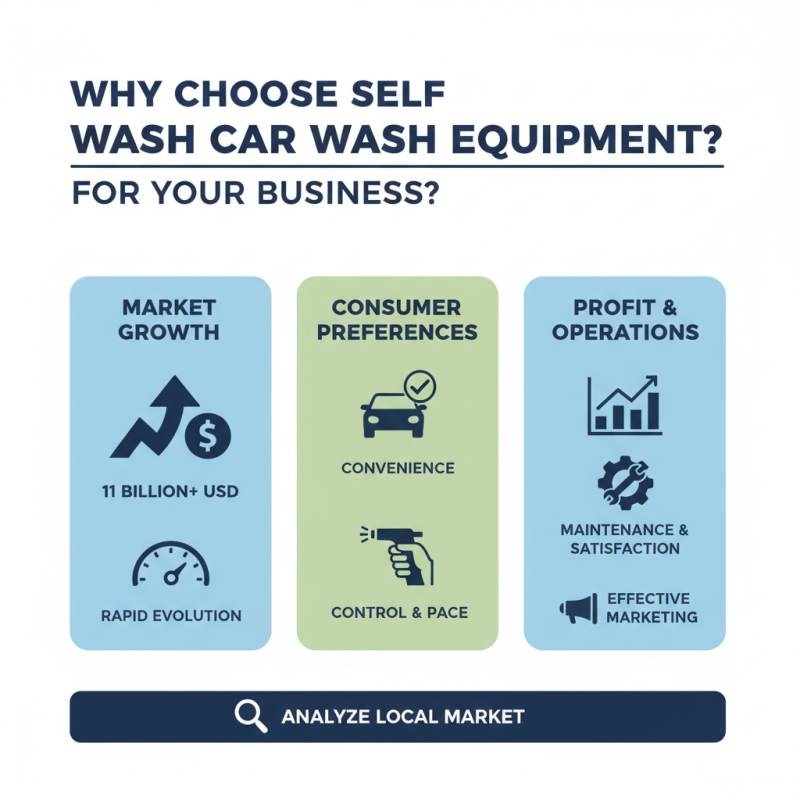
The car wash industry is rapidly evolving. According to IBISWorld, the car wash sector generates over $11 billion annually in the U.S. alone. Consumers increasingly prefer convenience over traditional hand washes. Self Wash Car Wash Equipment caters to this demand, allowing customers to take control.
Customers enjoy the freedom to wash their cars at their own pace. This equipment often features user-friendly interfaces and eco-friendly cleaning solutions. Reports indicate that self-service washes can generate higher profit margins compared to full-service options. However, managing these facilities requires attention to maintenance and customer satisfaction.
Investing in Self Wash Car Wash Equipment can be rewarding, yet it presents challenges. Ensuring cleanliness and providing adequate supplies is crucial. Additionally, marketing strategies must effectively highlight these services. Potential investors should critically analyze their local market to determine viability and make informed decisions.
Benefits of Self Wash Car Wash Equipment for Business Owners
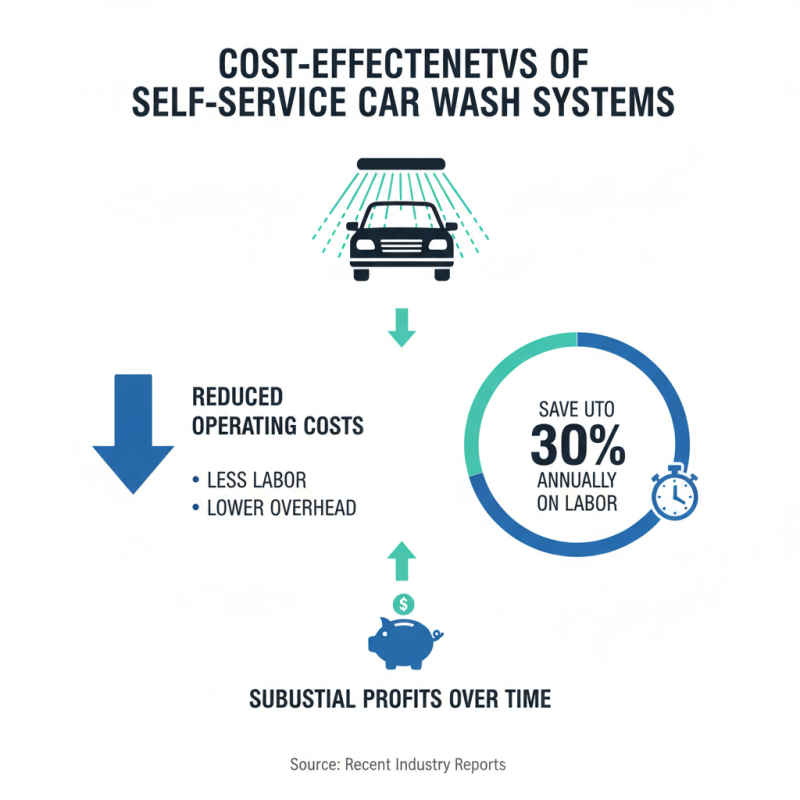
Self wash car wash equipment offers significant advantages for business owners. One major benefit is the lower operating costs. Unlike full-service washes, self wash systems do not require a large staff. This means you can save on labor expenses while still attracting customers. Many people enjoy the hands-on experience of washing their own cars.
Customer satisfaction also improves with self wash options. Clients appreciate the ability to clean their vehicles at their own pace. This flexibility can enhance their overall experience. Additionally, when customers actively engage in washing their cars, they tend to take better care of their vehicles. There’s a customer connection that is hard to replicate in automated systems.
However, it’s important to consider the initial setup costs. Investing in self wash equipment can be daunting for some owners. There’s also the challenge of maintenance. Ensuring that all equipment functions properly requires diligence. Owners must remain proactive to avoid customer dissatisfaction. While self wash car equipment has clear benefits, success often requires ongoing effort and reflection on service quality.
Customization Options for Self Wash Car Wash Equipment
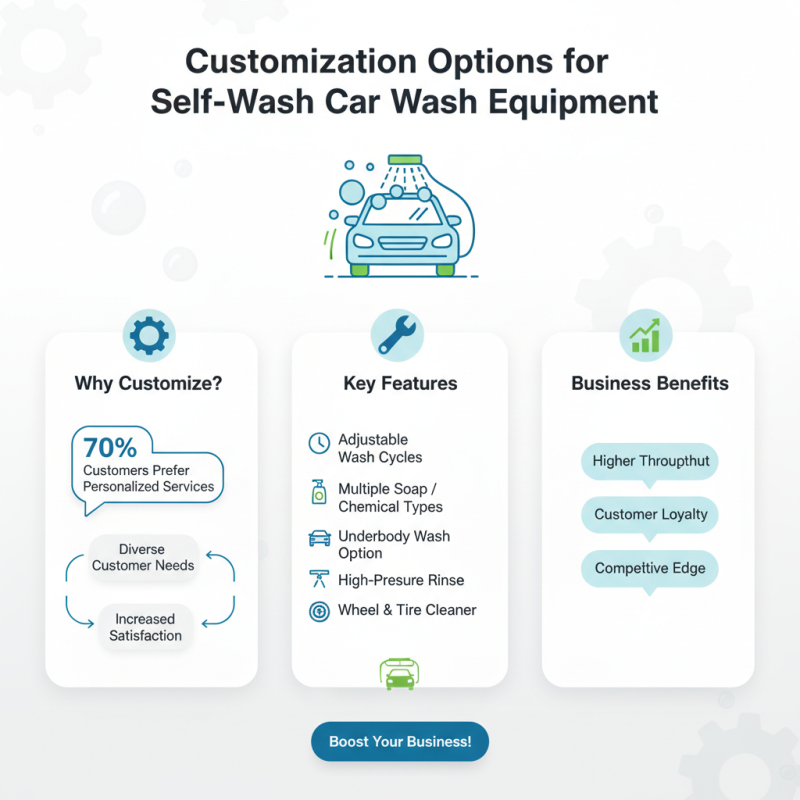
Customization options for self wash car wash equipment are essential for catering to diverse customer needs. A recent industry report indicates that nearly 70% of car wash customers prefer personalized services. This trend highlights the necessity for equipment that can adapt to various vehicle types and washing preferences. Offering adjustable wash cycles or multiple soap types could enhance customer satisfaction significantly.
Moreover, providing customization capabilities allows business owners to differentiate themselves from competitors. Innovative features, such as programmable wash settings, can attract more clients. According to a study from the International Carwash Association, businesses that adapted their equipment to include customer feedback saw a 25% increase in repeat visits. However, it is important to balance customization with operational efficiency. Over-customizing can complicate maintenance and training, leading to potential service delays.
Evaluating the pros and cons of customization is crucial. While tailored options can enhance user experience, they may require extensive initial investment. This is where careful planning comes in. Delving deep into customer preferences through surveys could refine equipment choices. Without comprehensive research, businesses risk investing in features that do not resonate with their target audience.
Maintenance and Durability of Self Wash Car Wash Equipment
Self wash car wash equipment offers significant advantages in terms of maintenance and durability. Industry reports indicate that a well-maintained self wash system can significantly reduce operating costs by up to 30%. Regular maintenance checks ensure that critical components like pumps and nozzles are functioning optimally, preventing costly repairs later. Daily inspections help catch small issues before they evolve into major problems.
Durability is another critical factor. Quality self wash equipment is designed to withstand harsh weather and frequent usage. Research shows that systems with corrosion-resistant materials can last up to 15 years or more. However, neglecting routine maintenance can lead to faster wear and tear. It’s important to note that while self wash systems are built for longevity, inconsistent upkeep can negate their durability.
Environmental considerations also play a role in equipment choices. Self wash systems typically use less water compared to traditional washes. Some reports highlight that such systems can save up to 50% more water. Yet, without proper maintenance, the efficiency gains diminish. Regular upkeep not only ensures the equipment works effectively but also aligns with eco-friendly practices in the car wash industry.
Customer Satisfaction and Engagement in Self-Service Car Washes
Self-service car washes offer a unique opportunity to enhance customer satisfaction. Customers enjoy the freedom to clean their vehicles at their own pace. This autonomy fosters a sense of ownership, making the car wash experience more engaging. In turn, satisfied customers are likely to return frequently.
Tips for improving customer engagement:
- Provide clear instructions at each station.
- Use visuals to guide customers.
- Ensure that equipment is user-friendly.
Maintaining the equipment is critical. Breakdowns can frustrate customers and deter them from returning. Regular checks and maintenance keep the equipment in top shape. However, some facilities overlook the importance of this routine. A proactive approach pays off in customer loyalty.
Another way to increase satisfaction is to create a welcoming environment. Clean, well-lit areas make customers feel comfortable. Consider adding shade or seating for waiting customers. This can help create a more inviting atmosphere. Remember, small details can make a big difference.
Customer Satisfaction in Self-Service Car Washes
This chart represents customer satisfaction levels across various dimensions in self-service car washes, highlighting key factors influencing customer engagement and loyalty.