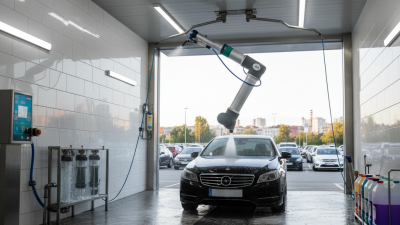
Automatic car wash parts determine whether daily cycles run smoothly or become a string of interruptions. A worn conveyor roller can cause vibration, while a damaged seal may let water reach places it should not. Small components matter. Choosing quality parts is not simply about buying the most expensive option. It means matching each component to the machine, its workload, and the chemicals used onsite.
Before ordering, operators should check dimensions, materials, load ratings, and compatibility with existing equipment. Stainless steel, reinforced polymers, and properly rated bearings can help withstand moisture and repeated movement, but no material lasts forever. Fit matters. A part that looks similar may still create uneven brush contact or put extra strain on a motor. Clear specifications and traceable product information make comparisons easier. Advice from a qualified technician can help, too.
Reliable Automatic Car Wash Parts can support consistent cleaning, reduce avoidable downtime, and make maintenance planning more predictable. They do not eliminate the need for regular inspection. Check for cracks, loose fasteners, unusual noise, and leaks. Keep records. Note replacement dates and operating conditions, since the same part may wear differently across sites. It is tempting to assume a premium label guarantees longer life. That assumption deserves a second look. Real performance depends on installation, water quality, maintenance habits, and daily traffic. A careful choice starts with evidence, not promises.
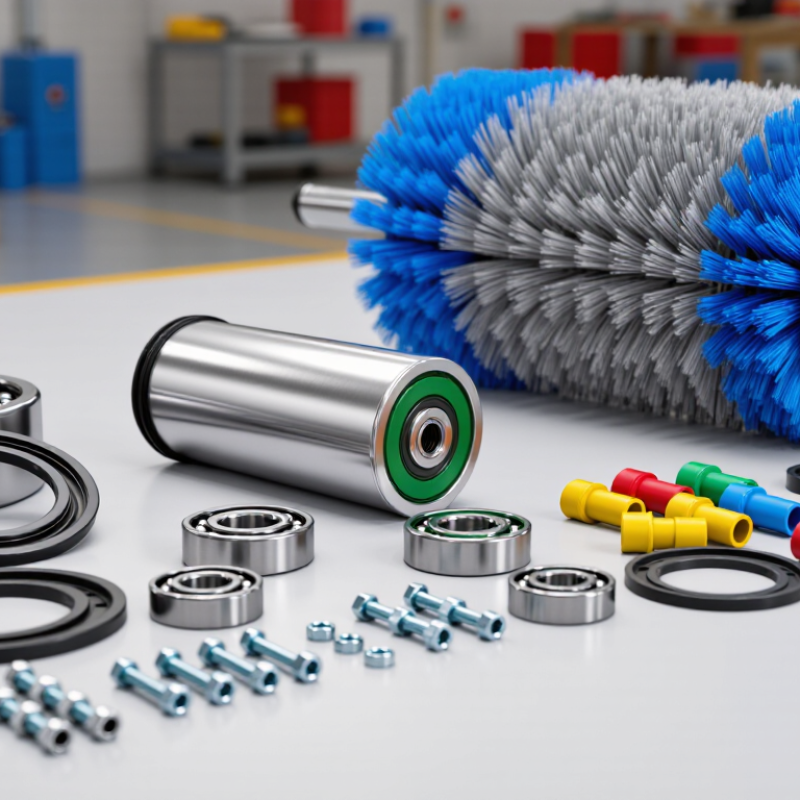
An automatic wash is a coordinated line of pumps, valves, sensors, motors, and cleaning tools. Each part controls a small step. Together, they move a vehicle through a repeatable wash cycle. Entry sensors detect its position, while a controller signals the conveyor or gantry to begin.
High-pressure pumps send water through pipes and spray nozzles. Chemical injectors meter detergent into the flow, and rotating brushes or cloth materials loosen dirt from the paint. Rinse arches then remove residue. Drying fans push air across glass, mirrors, and body panels. Timing matters: a clogged nozzle can leave a narrow, dirty stripe.
Water recovery is another working part of many systems. Filters and settling tanks remove grit before water is reused. The International Carwash Association’s water-use guidance says reclaim systems can reduce fresh-water demand by roughly 50–80%, depending on equipment and wash design. That range is useful, but not a promise for every site. Reclaim water still needs monitoring, and filters need regular cleaning.
Quality parts help maintain consistent pressure, chemical dosing, and sensor readings. A worn seal may cause a slow leak; a misaligned sensor can disrupt vehicle positioning. Small faults matter. Operators should inspect spray patterns and listen for unusual pump noise, not just wait for a shutdown. Even careful maintenance misses things sometimes.
Automatic car washes face repeated motion, water, detergent, and grit throughout the day. During peak hours, a conveyor may move vehicle after vehicle with little pause. Quality parts help keep these cycles predictable and reduce avoidable interruptions. They do not eliminate wear, though. Even sturdy components need inspection and timely replacement.
Well-made bearings, rollers, seals, and spray nozzles can support smoother operation under frequent use. A worn bearing may add noise and heat; a damaged seal can let moisture reach nearby components. Consistent nozzle flow also helps maintain even coverage across a vehicle’s surfaces. Small differences matter. Operators should match replacement parts to equipment specifications and check alignment after installation. In practice, maintenance records are not always complete, so a careful visual check can catch issues that paperwork misses.
Tips: Inspect belts, hoses, and connections before busy periods. Listen for new vibration or unusual noise. Clean filters and nozzles on a regular schedule, following equipment guidance. Replace parts showing cracks, leaks, or uneven wear. Keep a few commonly used components on hand, but review inventory often; stored parts can age, too.
Professional car washes are designed to use water carefully, not simply spray more of it. The International Carwash Association (ICA) cites about 40 gallons per vehicle for a professional wash. Actual use varies with the wash design, water-recovery setup, and maintenance. Quality parts help keep those systems working as intended.
A well-calibrated pump delivers steady pressure, while clean nozzles spread water across the vehicle instead of leaving dry streaks. Valves and sensors also matter: a sticking valve can waste water between wash stages, and a poorly adjusted sensor may trigger an unnecessary rinse. In reclaim systems, effective filters help remove grit before recovered water returns to selected wash steps. Small parts matter. They do not guarantee a specific water total, but reliable operation can help a wash avoid needless flow and downtime. Even experienced operators can miss a worn seal until a small leak becomes obvious.
Tips: Inspect nozzle patterns for uneven spray, check hoses and fittings for drips, and follow the equipment maker’s maintenance schedule. Record water use per vehicle over time; a sudden change can point to a leak, clogged filter, or misadjusted control.
Check the basics. A quick visual check is useful, but it cannot replace measured flow or a qualified service inspection.
Why Choose Quality Automatic Car Wash Parts?
Why Properly Rated Pumps and Sensors Improve Performance and Safety
A pump should match the wash system’s required flow and pressure, not just its highest advertised rating. An undersized unit may leave side jets weak and uneven. An oversized pump can strain seals, waste energy, and disrupt spray patterns. The difference shows up on a busy day: water pressure dips, rinse coverage becomes patchy, and staff must pause to check the equipment. Correct sizing starts with the system specifications and expected workload. It is a detail that can be easy to rush.
Sensors matter just as much. Vehicle-position sensors help equipment respond to where a car actually sits, while level or pressure sensors can flag conditions that need attention. If a sensor is dirty or poorly calibrated, it may send unreliable readings. A brush could then move at the wrong moment, or a pump could run without enough water. Small errors count. Routine checks, secure wiring, and cleaning sensor lenses help maintain dependable readings. Even well-rated components need inspection; a good specification cannot compensate for a loose connector or neglected maintenance.
| Component or Rating | What to Check | How Correct Selection Helps | Practical Safety and Maintenance Note |
|---|---|---|---|
| High-pressure pump | Confirm the required flow and pressure at the pump’s operating point, using the pump performance curve. | A pump selected for the actual duty point can deliver the required wash flow without being routinely operated outside its rated range. | Check the pump, hoses, fittings, and other wetted components against the system’s maximum possible pressure, including pressure surges. |
| Hydraulic power requirement | For water, hydraulic power in kW can be estimated as: pressure in bar × flow in L/min ÷ 600. | For example, 10 bar at 20 L/min requires about 0.33 kW of hydraulic power. The motor input must be higher because the pump and drive are not 100% efficient. | Treat this as a sizing estimate, not a motor selection by itself. Allow for pump efficiency, drive losses, starting conditions, and the manufacturer’s guidance. |
| Pump pressure rating | Distinguish the pump’s maximum allowable pressure from its normal operating pressure and required flow. | Matching the pressure rating to the system helps avoid inadequate cleaning performance and unnecessary operation at excessive pressure. | Set pressure controls and relief protection so system pressure does not exceed the lowest applicable pressure limit of connected components. |
| Motor duty and overload protection | Verify the motor’s rated voltage, current, operating duty, and compatibility with the intended pump load. | A correctly matched motor and protection device help reduce nuisance trips, overheating, and unexpected downtime. | Motor protection should be selected and installed in accordance with the motor documentation and applicable electrical requirements. |
| Pressure sensor range | Select a measurement range that covers expected operating pressure and foreseeable peaks, while providing useful resolution in the normal operating range. | A suitable range helps the controller detect pressure changes reliably and can support consistent pump control. | Check the sensor’s pressure limit, connection, electrical output, and compatibility with the measured fluid; do not use measurement range as a substitute for a pressure safety device. |
| Sensor accuracy | Review the stated accuracy and whether it is expressed as a percentage of full scale, span, or reading. | Understanding the accuracy basis helps determine whether a sensor can support the control thresholds the system requires. | For example, an accuracy specification of ±1% of full scale means the possible error is based on the sensor’s full measurement range, not necessarily the current reading. |
| Electrical enclosure protection | Choose an ingress-protection rating appropriate to the sensor’s location and exposure to water, spray, dust, and cleaning procedures. | IEC 60529 defines IP code classifications. An IP65 enclosure is dust-tight and protected against water jets under the specified test conditions; it is not an immersion rating. | IP67 includes protection against temporary immersion under specified test conditions. The rating does not automatically establish chemical resistance or suitability for every wash-bay installation. |
| Chemical and material compatibility | Check that seals, pump materials, sensor diaphragms, and connectors are suitable for the detergents and water treatment chemicals used. | Compatible materials help reduce leakage, corrosion, premature wear, and measurement problems. | Compatibility depends on the chemical, concentration, temperature, and exposure time. Confirm suitability with component documentation rather than relying on appearance alone. |
| Control and fault response | Define what the system should do if pressure is too high or low, a sensor signal is lost, or a pump overload occurs. | Clear fault handling helps prevent uncontrolled operation and makes troubleshooting more predictable. | Use appropriately designed safeguards and verify their operation during commissioning and scheduled maintenance. |
| Inspection and maintenance | Follow the component manufacturer’s inspection, service, and replacement guidance; record recurring faults and leaks. | Routine checks can reveal wear, blockage, loose connections, or sensor drift before they cause a service interruption. | Isolate electrical and pressure sources before servicing, and verify that the equipment is safe to work on. |
Why Choose Quality Automatic Car Wash Parts?
How Preventive Maintenance Extends Parts Life and Reduces Downtime
A wash system works through repeated cycles of water, detergent, vibration, and motion. Small wear can become a costly stop. A cracked hose may drip behind a panel, while a dry conveyor bearing can grow noisy before it fails. Inspecting seals, rollers, pumps, and fasteners on a set schedule helps catch these signs early. Use parts built for the machine’s operating conditions, and follow the service intervals in its maintenance manual.
Preventive maintenance is practical, but it does not make every failure predictable. The U.S. Department of Energy’s Operations & Maintenance Best Practices Guide reports that predictive maintenance programs can reduce downtime by 35–45% in industrial settings. That is a broad industry benchmark, not a car-wash-specific promise. Still, it shows the value of checking equipment condition instead of waiting for a breakdown. Keep simple records: date, part, observed wear, and action taken. Small details matter.
A useful inspection takes minutes. Look for water around pump fittings, uneven brush wear, belt fraying, and grit near moving joints. Replace worn components before they damage connected parts, but avoid changing sound parts on guesswork alone. Maintenance logs can be imperfect; staff may miss a shift or describe the same noise differently. Review them alongside direct checks, and adjust intervals when actual wear differs from the schedule.