How to Choose the Best Auto Car Wash System for Optimal Efficiency and Cost Savings
In today's fast-paced world, maintaining the appearance of vehicles is more important than ever, leading to a growing demand for efficient and cost-effective Auto Car Wash Systems. According to a recent report by IBISWorld, the car wash industry has shown a steady growth trend, with revenues expected to reach $11 billion in 2023. This substantial market growth underscores the necessity for car wash businesses to adopt the best technologies and practices in order to remain competitive.
Choosing the right Auto Car Wash System is crucial not only for ensuring optimal vehicle cleanliness but also for maximizing operational efficiency and achieving significant cost savings. Environmental considerations also play a role; a study by the International Carwash Association highlights that modern car wash systems can use up to 90% less water compared to home washing, thereby reducing both water utility costs and environmental impact.
By understanding the various available systems and their respective benefits, car wash operators can make informed decisions that enhance their service offerings and bottom line. This article will explore the top 10 considerations when selecting an Auto Car Wash System, enabling businesses to thrive in a competitive landscape while prioritizing efficiency and sustainability.
Understanding Different Types of Auto Car Wash Systems for Efficient Cleaning
When selecting an auto car wash system, understanding the different types available is crucial for achieving efficient cleaning and maximizing cost savings. The key categories include touchless, friction, and hybrid systems. According to a report by the International Carwash Association, touchless systems, which operate using high-pressure water and chemical application without physical contact, can reduce water consumption by up to 40% compared to traditional methods. This makes them an eco-friendly option for car wash operators looking to minimize their environmental footprint while maintaining cleanliness.
Friction systems, on the other hand, utilize soft cloth or foam materials to cleanse vehicle surfaces. They are particularly effective in removing dirt and grime, with studies indicating they can provide a superior shine and cleanliness when compared to touchless alternatives. However, they may require more water and chemicals, which can affect long-term operational costs. Hybrid systems aim to combine the benefits of both methods, offering customizable washing options that optimize efficiency. As an industry report predicts, embracing a hybrid approach can lead to a 30% increase in customer satisfaction, translating to higher repeat business and ultimately significant cost savings for car wash operators.
Auto Car Wash System Efficiency Comparison
Key Features to Look for in a High-Performance Car Wash System
When selecting a high-performance car wash system, several key features are essential for ensuring both optimal efficiency and cost savings. According to a report by the International Carwash Association, a well-designed car wash system can save up to 80% more water compared to traditional methods, making water efficiency a critical factor to consider. Look for systems that incorporate advanced reclaim systems which allow water to be filtered and reused multiple times, significantly reducing water and sewer costs while promoting sustainability.
Additionally, the type of cleaning technology used is crucial. Systems featuring foam brushes and high-pressure rinsing are known to provide superior cleaning while being gentle on vehicle surfaces. Research indicates that touchless systems can effectively clean vehicles without physical contact, reducing the risk of scratches and swirls. Furthermore, incorporating features such as variable speed motors and automated chemical dispensers can enhance the overall performance and decrease operating costs. A study by the Carwash Association noted that facilities with automation reported a 30% increase in revenue, reinforcing the value of investing in cutting-edge technology for your car wash operations.
How to Choose the Best Auto Car Wash System for Optimal Efficiency and Cost Savings - Key Features to Look for in a High-Performance Car Wash System
| Feature |
Description |
Importance |
Average Cost |
| Automated Wash Techniques |
Utilizes advanced robotics for improved wash efficiency |
High |
$15,000 - $30,000 |
| Water Recycling System |
Recirculates water for multiple washes, reducing consumption |
High |
$5,000 - $12,000 |
| Chemical Efficiency |
Uses less chemical while maintaining cleaning quality |
Medium |
$1,000 - $3,000 |
| Drying Technology |
Incorporates high-speed air dryers for faster drying |
High |
$4,000 - $8,000 |
| User Control Interface |
Intuitive user interface for better customer experience |
Medium |
$2,000 - $5,000 |
Cost Analysis: Evaluating Initial Investment vs. Long-Term Savings
When considering the purchase of an auto car wash system, it is crucial to conduct a thorough cost analysis that weighs the initial investment against potential long-term savings. The initial costs often include the price of the equipment, installation fees, and any necessary infrastructure upgrades. These upfront expenses can be substantial, but they must be measured against the operational efficiency and capabilities the system brings. An efficient car wash system can significantly reduce water and energy consumption, leading to lower utility bills over time.
In addition to operational savings, it's essential to factor in the potential revenue increase that an effective car wash system can generate. Systems that offer faster, high-quality washes can attract more customers, leading to improved profitability. Furthermore, the longevity and reliability of the system can result in less frequent maintenance and replacement costs. A well-chosen auto car wash system not only serves as a valuable initial investment but also enhances overall business performance through enhanced customer satisfaction and reduced operational costs, making it an essential consideration for any car wash operator.
Comparing Labor Efficiency: Automation vs. Manual Car Wash Solutions
When considering labor efficiency in car wash systems, the debate between
automation and manual labor becomes crucial.
Automated car wash systems offer remarkable efficiency through streamlined operations, reducing the time and effort required to wash vehicles.
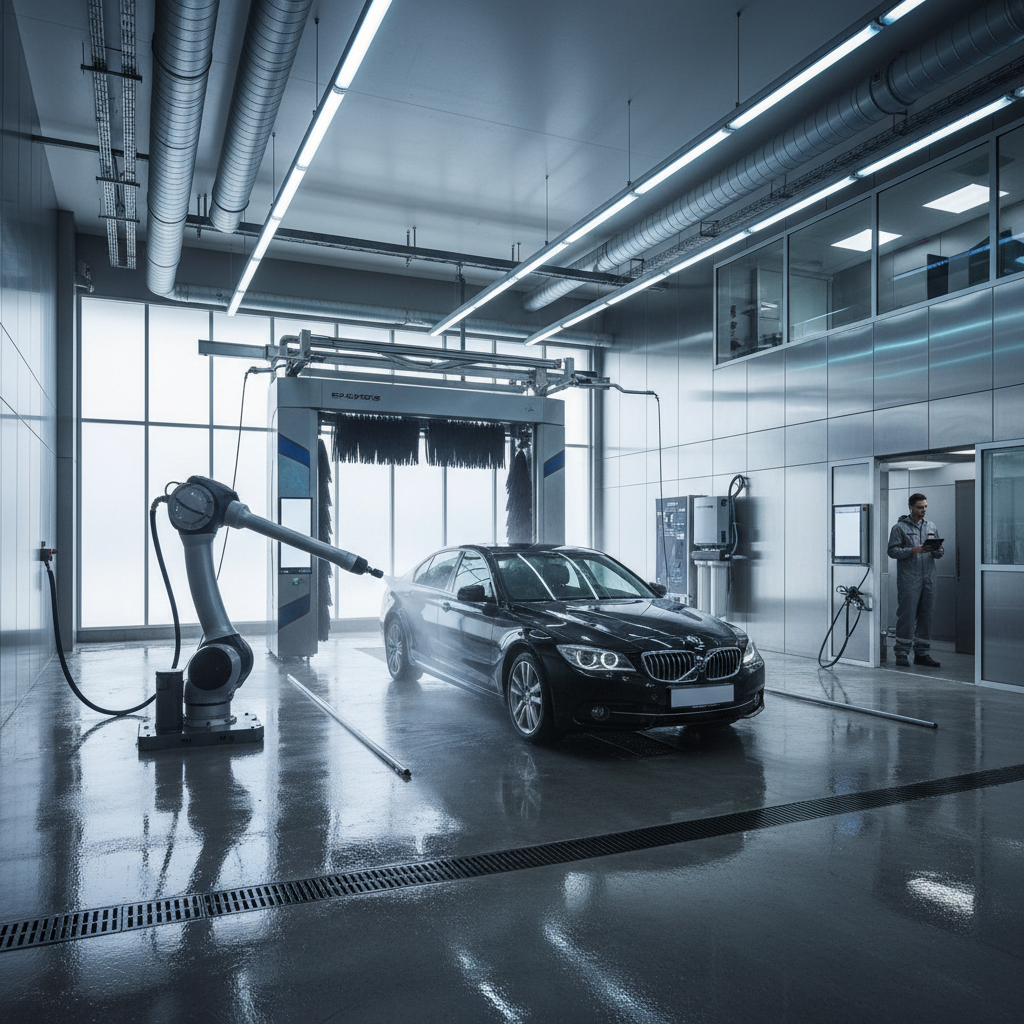
These systems utilize advanced technology, such as conveyor belts and robotic arms, which can significantly decrease the number of workers needed.
As a result, businesses can reallocate human resources to other areas, enhancing
overall productivity. Moreover, automated washes often maintain a consistent quality of service, leading to higher customer satisfaction.
In contrast, manual car wash solutions excel in areas where personalized service
and attention to detail are paramount. Workers can address specific customer requests and offer services tailored to unique vehicle needs.
However, this approach can be labor-intensive, potentially leading to higher operational costs and variability in service quality. By comparing
these two methods, it's essential for car wash operators to assess their specific context. Factors such as customer expectations, budget
constraints, and available workforce will play a significant role in determining whether automation or manual labor offers the best path
to efficiency and cost savings.
Customer Preferences: How User Experience Affects Car Wash System Choices
When selecting an auto car wash system, understanding customer preferences is paramount. Research from the International Carwash Association indicates that
70% of customers prioritize convenience and user-friendly features when choosing a car wash service. This insight reveals that user experience plays a critical role in system selection.
Systems that offer easy payment options, fast service times, and intuitive interfaces tend to attract more users and result in higher customer retention rates.
Furthermore, according to a recent report by IBISWorld, businesses that incorporate customer feedback into their car wash system design see an estimated
15% increase in efficiency and a significant boost in customer satisfaction. Features like mobile apps for scheduling washes or loyalty programs are now expected by a majority of car wash customers.
An investment in these enhancements not only improves the overall user experience but also leads to greater cost savings in the long run by reducing operational hiccups and increasing repeat business.