Best Car Wash Machines for Commercial Use in 2025?
In the competitive world of commercial car washes, efficiency and reliability are vital. Industry expert John Miller, a leading voice in the Car Wash Machine Commercial sector, states, "The right machine can transform a business." His insight underscores the importance of selecting quality equipment for operational success.
As we explore the best car wash machines for commercial use in 2025, it's essential to consider various factors, including technology and ease of use. A profound understanding of the equipment can significantly impact customer satisfaction. Still, not all machines meet expectations. Some may underperform or require more maintenance than anticipated.
Investing in a Car Wash Machine Commercial is not only about initial costs. Long-term reliability and service quality are critical. A poor choice can lead to dissatisfaction and lost customers. Each machine must be evaluated based on real-world performance, not just flashy ads. The balance between cost and quality is often tricky. However, making informed decisions can lead to greater success in this bustling industry.
Best Car Wash Machines: Overview of 2025 Commercial Options
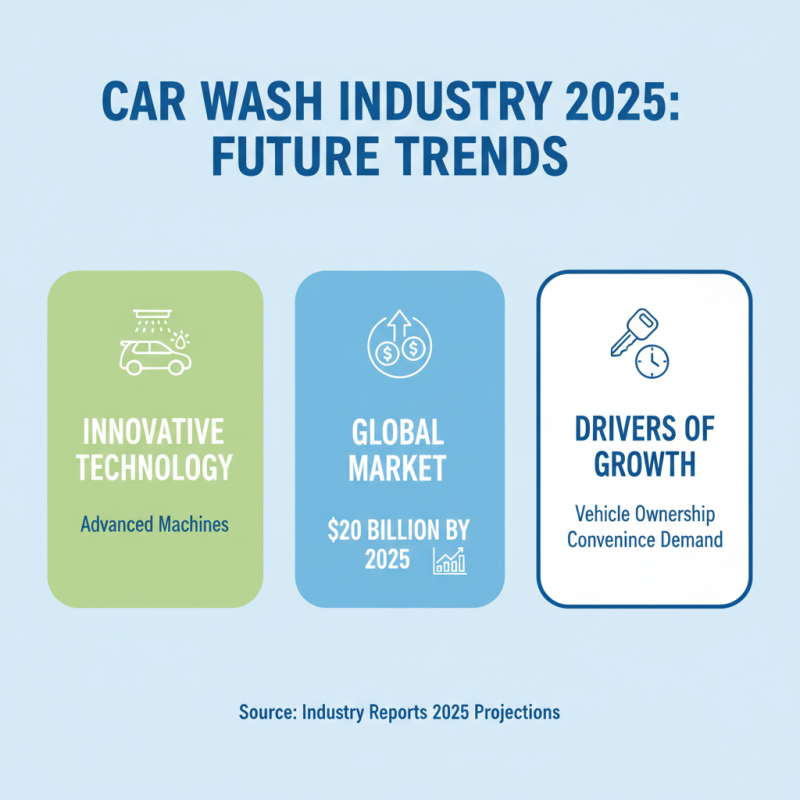
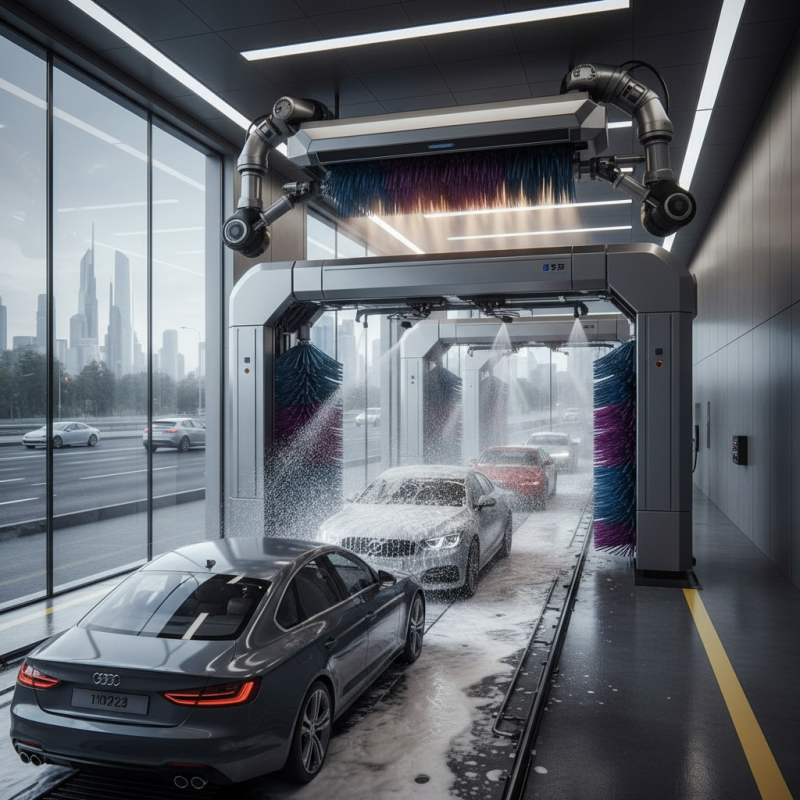
In 2025, the car wash industry is set to embrace innovative technology. Commercial car wash machines are becoming more efficient. Statistics indicate that the global car wash market is projected to reach $20 billion by 2025. This growth is driven by rising vehicle ownership and demand for convenience.
Newer models focus on eco-friendliness. Many machines now use less water and biodegradable detergents. Reports show that these machines can save up to 50% more water compared to traditional methods. However, operators must be mindful; not all machines perform optimally in diverse environments. Maintenance issues can arise, impacting profitability.
User experience is evolving, too. Touchless car wash systems are gaining popularity, providing a gentler wash. Yet, some users report unsatisfactory results, especially with heavily soiled vehicles. Operators must find a balance between technology and client satisfaction. Investing in upgrades without understanding customer needs can lead to missed opportunities. Different models have differing wash cycles. Some may take longer, affecting throughput during peak hours. It's crucial for businesses to assess their specific location and customer preferences.
Market Trends: Growth of the Commercial Car Wash Industry in 2025
The commercial car wash industry is poised for significant growth in 2025. Drivers are increasingly seeking convenient and efficient cleaning solutions for their vehicles. More consumers are embracing services that save them time. This trend reflects a shift in consumer behavior, emphasizing fast service and high quality.
Investments in advanced technology play a crucial role. Innovations in car wash machines are enhancing cleaning capabilities while ensuring eco-friendliness. Many businesses face challenges adapting to these new technologies. Training staff and upgrading equipment can be costly. This uncertainty might lead some to hesitate before making big changes.
Societal trends also fuel this growth. Urban living increases the demand for quick, reliable car wash options. Customers appreciate services that offer subscription models for regular cleaning. However, meeting customer needs consistently can be tough. Businesses must balance efficiency with personalized service, which is no easy task.
Key Features: What to Look for in Car Wash Machines for Businesses
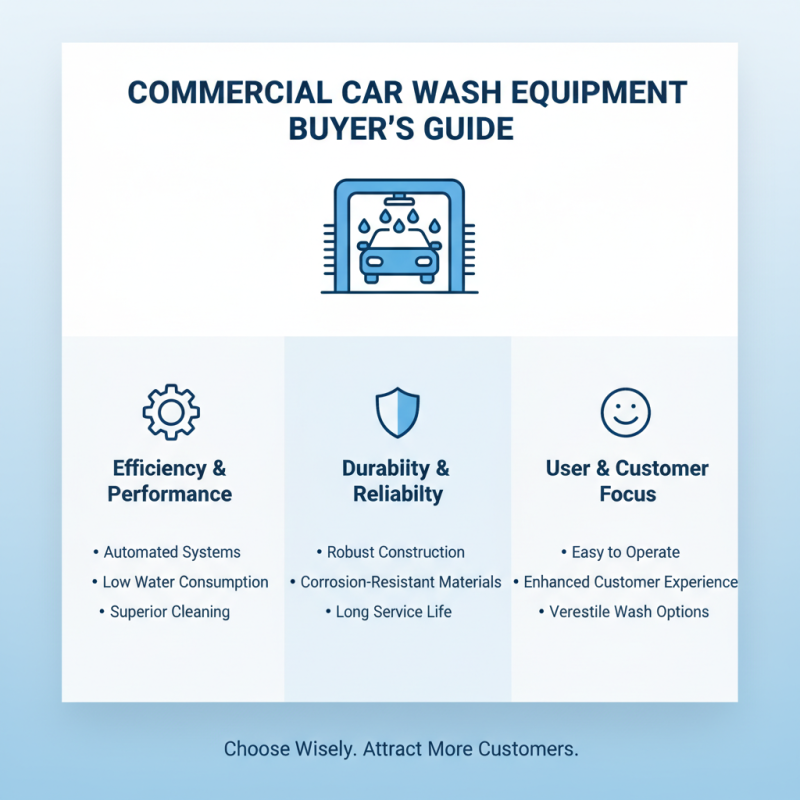
When choosing car wash machines for businesses, key features are essential. Look for efficiency and speed of operation. Machines should clean vehicles quickly to keep customer wait times low. Consider systems that offer multiple wash options. Variety can attract more customers and cater to different vehicle types.
Durability is crucial for any commercial equipment. Machines must withstand heavy usage and harsh conditions. They should require minimal maintenance. This saves time and costs for the business. Also, user-friendly design is important. Employees should easily operate machines without extensive training. Complicated systems can lead to mistakes and inefficiencies.
Don’t overlook water and detergent consumption. Eco-friendly options are gaining popularity. Using less water can appeal to environmentally conscious consumers. Noise levels also matter; quieter machines enhance the customer experience. Lastly, be aware of the location's power supply capacity. A mismatched machine can cause frequent breakdowns and frustration. Selecting the right features can be challenging. Some business owners may feel overwhelmed, but careful consideration leads to better choices.
Top Brands: Leading Manufacturers of Commercial Car Wash Machines
In the competitive world of car wash services, choosing the right equipment is crucial. Many commercial car wash machines stand out for their efficiency. Manufacturers focus on enhancing machine durability and user experience. They aim to provide high-quality wash solutions that appeal to various customer needs. When shopping for these machines, performance is key. Consider factors like water consumption and cleaning effectiveness.
Top brands in the industry understand the importance of innovation. They invest in research to develop machines that perform well under steady use. Some models offer customizable wash packages. Yet, this variety can make the selection process overwhelming. Operators might feel pressured to find the "best" option, but not every machine suits every business.
Many manufacturers also emphasize maintenance and support. Regular upkeep is essential for optimal performance. Sometimes, operators overlook this aspect, leading to costly repairs. Reflecting on this, one can see the importance of balancing quality and practical needs. A well-informed choice can enhance service efficiency and customer satisfaction.
Performance Metrics: Efficiency and Cost Analysis of Car Wash Machines
The evolution of car wash machines has been significant. By 2025, efficiency and cost-effectiveness will drive choices for commercial operations. A recent industry report highlighted that small to mid-sized car wash facilities often see labor costs consuming about 50% of their operational budget. Therefore, investing in automated machines could streamline operations and reduce these costs substantially.
Performance metrics suggest that newer models require 30% less water and power. This translates to lower utility bills and a positive environmental impact. In a tight market, every penny counts. Less water usage also appeals to eco-conscious consumers. However, not all machines deliver on these promises. Operators must research thoroughly to avoid costly mistakes.
Maintenance is a significant consideration. Many machines in the market require frequent servicing. This can disrupt operations and lead to revenue loss. While initial costs for high-efficiency machines may seem daunting, the long-term savings often justify the expense. A clear analysis is essential to weigh the total cost of ownership against potential savings over time. It’s a balancing act that could require patience and strategic planning.
Best Car Wash Machines for Commercial Use in 2025
| Model |
Washing Capacity (Cars/Hour) |
Water Usage (Gallons/Wash) |
Average Cost ($) |
Energy Efficiency (kWh/Car) |
| Model A |
30 |
15 |
25,000 |
0.5 |
| Model B |
50 |
12 |
30,000 |
0.4 |
| Model C |
25 |
18 |
22,000 |
0.6 |
| Model D |
40 |
14 |
28,000 |
0.5 |