What are the Benefits of Automated Car Wash Systems?
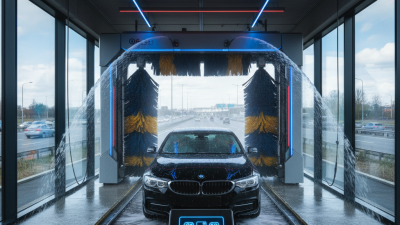
In recent years, the rise of Automated Car Wash systems has transformed vehicle maintenance. Industry reports suggest that around 70% of car owners prefer automated services for their convenience and efficiency. These systems not only save time but also ensure a thorough clean. Advanced technologies in automated washing offer better quality with less water usage.
Automated Car Wash facilities typically reduce water consumption by approximately 30% compared to traditional methods. This is significant in an era where water conservation is crucial. Moreover, expert analyses highlight a trend: customers enjoy the enhanced experience that automated options provide. However, challenges remain. Not all locations are equipped to meet high demand consistently, leading to potential gaps in service quality.
The evolution of car wash technology shows promise, yet raises questions. Will the market continue to expand? Can these systems guarantee quality while scaling? Potential users might wonder about the impact on their vehicles. Attention to detail in maintenance could be compromised if not managed properly. Automated Car Wash systems definitely hold advantages, but reflection on overall service is essential.
Advantages of Automated Car Wash Systems for Vehicle Maintenance
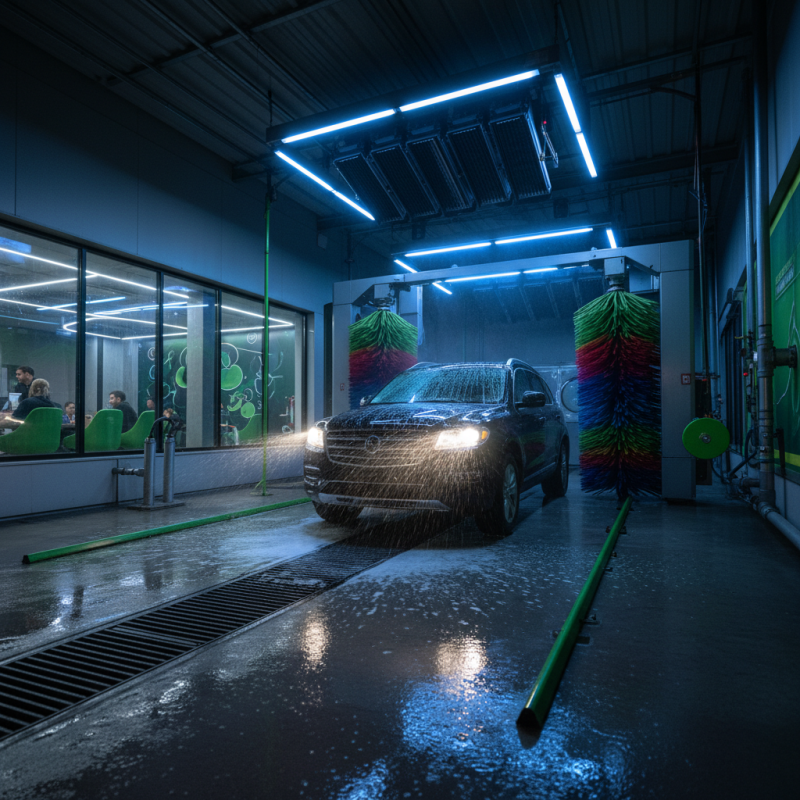
Automated car wash systems offer significant advantages for vehicle maintenance. They effectively remove dirt and grime, which helps protect paint and finish. Reports indicate that regular washing can extend a vehicle's lifespan by preventing rust and corrosion. In fact, experts suggest that a clean car has a higher resale value.
Efficient water use is another critical benefit. Modern automated systems recycle water, reducing waste. According to industry studies, automated washes use about 60% less water than manual washes. This sustainability aspect appeals to eco-conscious consumers.
Tip: Maintain a regular washing schedule to safeguard your vehicle’s exterior. Once every two weeks is a good start.
Despite their advantages, no system is flawless. Some automated washes can miss spots or may not provide a thorough clean for heavily soiled vehicles. It's essential to choose a car wash that aligns with your specific needs.
Tip: Always inspect your vehicle after washing. Look for areas that may need additional attention.
Time Efficiency: How Automated Car Washes Save You Valuable Time
Automated car wash systems are revolutionizing the way we think about vehicle maintenance. With an average car wash taking just 3 to 5 minutes, these systems provide unmatched time efficiency. According to the International Carwash Association, a traditional hand wash may take over 30 minutes, not including the time spent waiting in line. This time savings is critical for today's busy individuals.
The convenience of automated systems is reflected in their growing popularity. Reports indicate that over 70% of car owners prefer automated washes due to their speed and efficiency. Additionally, studies show that automated washes can clean at least twice as many cars per hour compared to manual washes. This impressive rate allows car wash operators to maximize revenue and minimize customer wait times.
However, reliance on automated systems can lead to overlooking thorough inspection of the vehicle’s condition. While they excel in speed, they may miss some areas needing attention. It's essential for car owners to remain proactive. Regular manual checks can complement the speed of automated systems, ensuring your vehicle remains in top shape.
Benefits of Automated Car Wash Systems
| Benefit |
Description |
Time Saved (Minutes) |
| Quick Service |
Automated systems typically take under 10 minutes to complete a wash. |
10 |
| Less Waiting Time |
Multiple cars can be washed simultaneously, reducing overall wait time. |
5 |
| Consistent Quality |
Standardized washing processes ensure a consistent wash quality every time. |
N/A |
| Less Manual Labor |
Reduced need for staff to perform manual washing, allowing staff to focus on customer service. |
N/A |
| Environmentally Friendly |
Many automated systems use less water and biodegradable chemicals compared to traditional washing. |
N/A |
Cost-Effectiveness: Long-Term Savings with Automated Washing Solutions
Automated car wash systems offer significant cost-effectiveness over time. The initial investment may seem high, but the long-term savings can outweigh this. Operating an automated system reduces labor costs. Fewer staff are required to manage the washing process. Additionally, these systems often use less water than traditional methods. This is not just environmentally friendly; it's cost-effective too.
Regular usage of automated washes can enhance vehicle longevity. They provide consistent cleaning without harsh manual scrubbing. However, relying solely on automation may neglect specific problem areas on a vehicle. Certain spots may require manual attention. Striking a balance between automated and manual washes can ensure thorough care.
Maintenance of the automated system itself is crucial. Regular checks can prevent costly breakdowns. If neglected, repairs can become expensive. Investing in training for staff can also enhance efficiency. Understanding how to operate and troubleshoot the machine preserves reliability. In the long run, a well-maintained automated wash system can bring substantial savings and convenience.
Environmental Benefits of Using Automated Car Wash Systems
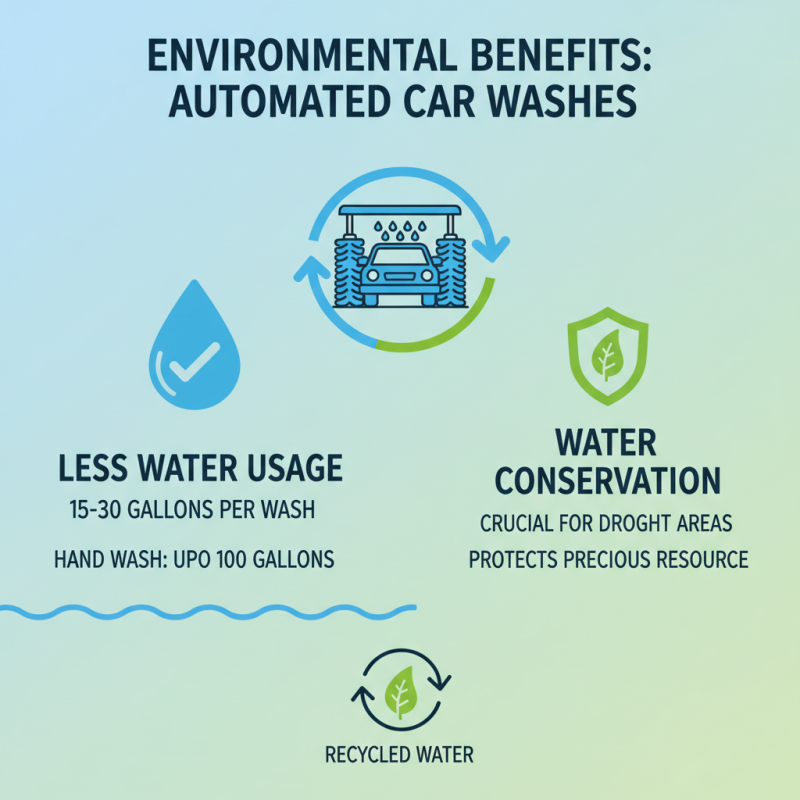
Automated car wash systems offer significant environmental benefits. They generally use less water than traditional washing methods. A typical automated wash can use around 15 to 30 gallons of water, while hand washing may consume up to 100 gallons. This efficiency helps conserve water, a precious resource, especially in drought-prone areas.
These systems often utilize advanced technologies to recycle water. The ability to filter and reuse water minimizes waste. Many setups capture runoff, preventing pollutants from entering local waterways. Additionally, automated car washes tend to use eco-friendly cleaning agents. These soaps are designed to be biodegradable, reducing chemical harm to the environment.
However, not all automated car washes are created equal. Some may not implement proper recycling methods. This disparity raises concerns about the overall impact on local ecosystems. Consumers should research and choose facilities that prioritize sustainable practices. Awareness is key to ensuring that a desired convenience does not come at an environmental cost.
Enhanced Cleaning Quality Compared to Traditional Hand Washing Methods
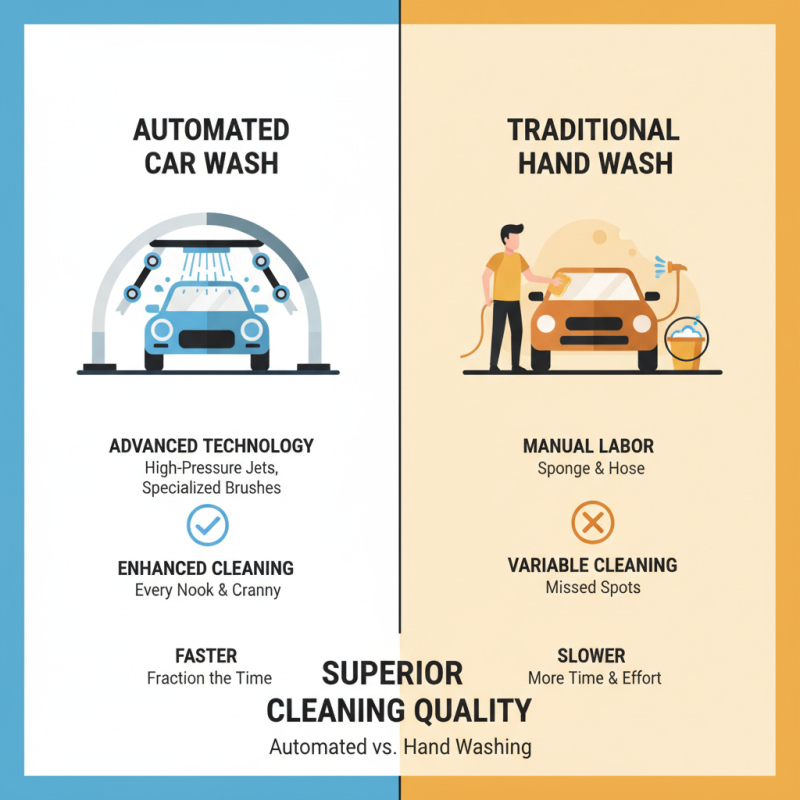
Automated car wash systems are transforming the way vehicles are cleaned. One key advantage is enhanced cleaning quality. Unlike traditional hand washing, automated systems use advanced technology to ensure every nook and cranny is addressed. High-pressure jets and specialized brushes help remove dirt and grime more effectively. They can deliver a thorough wash in a fraction of the time.
While the automated process is efficient, it's essential to note that not all systems are the same. Some may not reach areas that a human would. Therefore, it's important to seek out newer models with advanced features. Look for those that offer customizable settings to address different vehicle types.
Tip: Regular maintenance helps maximize your car’s shine. Wax your vehicle every few months to protect it from the elements. Keep an eye on the wheels, as dirt often accumulates there. You might find that automated washes miss these spots. Lastly, consider alternating between automated and hand washes for the best results. This way, you can combine efficiency with a thorough cleaning.