2026 Best Automatic Carwash Equipment Reviews and Tips?
In the rapidly evolving world of automotive care, the importance of Automatic Carwash Equipment cannot be overstated. Industry expert John Smith notes, “The right equipment can transform the carwash experience, but not all systems are created equal.” As technology advances, carwash owners face crucial decisions about which equipment best meets their needs.
When considering Automatic Carwash Equipment, one must look beyond just the price tags. Features such as efficiency, durability, and ease of use are vital. Many owners have invested heavily only to find their choices lacked reliability. This isn’t just about washing cars; it's about building a trustworthy brand.
Potential pitfalls also exist. Some equipment promises the world but delivers only frustration. Research is essential. With a myriad of options available, making an informed decision can often feel overwhelming. Reflecting on experiences can lead to better choices in the future. Balancing innovation with practical needs can ensure long-term success in this dynamic industry.
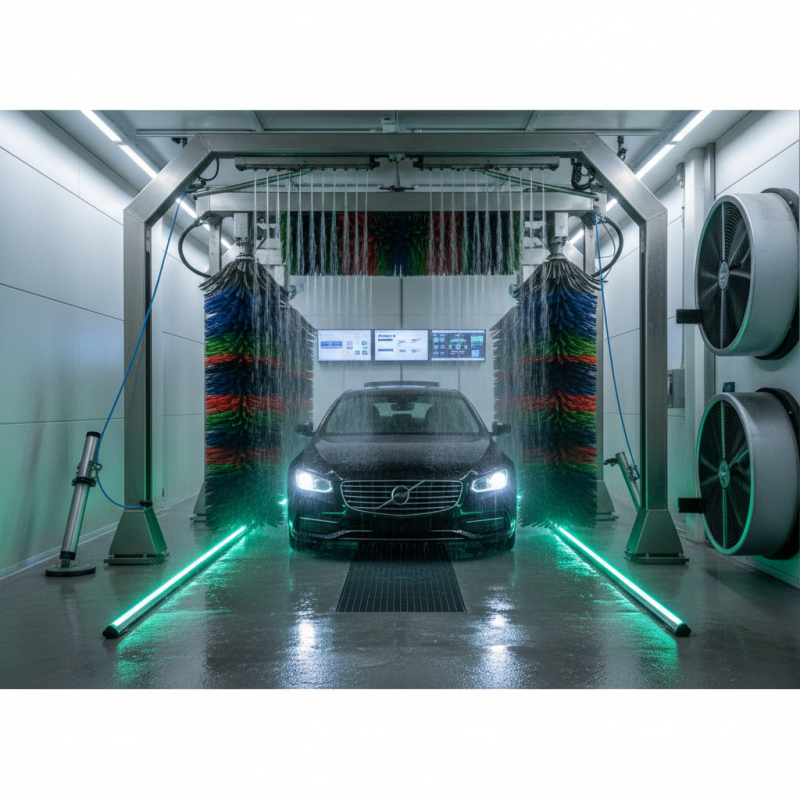
2026 Best Automatic Carwash Equipment Overview
When considering automatic carwash equipment, there are key features to evaluate. Efficiency is paramount. The best machines can clean vehicles quickly while ensuring a thorough wash. Many models include multiple wash cycles. These cycles cater to different needs, from a quick rinse to extensive detailing. You want equipment that offers flexibility.
Look closely at the technology used in these machines. Sensor-based systems can navigate around the vehicle with ease. This prevents damage and ensures a spotless finish. Additionally, water recycling systems are becoming more common. They conserve water and reduce operating costs. However, some users find these systems complex to maintain.
Maintenance is another critical factor. Automatic carwash equipment demands regular checks and cleaning. Failure to do so may result in subpar performance and increased repairs. Some parts may wear out quickly under heavy use. It's crucial to train staff on proper upkeep. Otherwise, efficiency will decline. An effective system still requires attention and care from operators.
Key Features to Consider When Choosing Automatic Carwash Equipment
When selecting automatic carwash equipment, key features play a vital role. The capacity of the machine is crucial. It should match your business volume. Many reports suggest that a machine with a 60-car capacity per hour is efficient for high-demand locations. Look for systems that offer flexible wash options. These can attract diverse customers, enhancing revenue.
Durability is another important factor. Equipment should withstand varying weather conditions. Materials like stainless steel are often preferred. They resist corrosion and last longer. On average, equipment lifespan can range up to 10 years with proper maintenance.
Tips: Regular servicing is essential to avoid breakdowns. Neglected equipment can lead to a loss of customers. Track your maintenance schedule consistently.
Finally, consider the technology used. Automation can optimize workflow. Systems equipped with smart diagnostics help identify issues early. This reduces downtime. However, continuously updating technology can be costly. Weigh the immediate benefits against long-term investments carefully.
2026 Best Automatic Carwash Equipment Reviews and Tips
| Model |
Type |
Wash Cycle Time |
Water Usage (gallons) |
Key Features |
| Model A |
Touchless |
5 minutes |
20 |
Foam Cannon, Underbody Wash |
| Model B |
Contact |
7 minutes |
30 |
High Pressure Rinse, Wheel Cleaning |
| Model C |
Hybrid |
6 minutes |
25 |
Soft Cloth Brushes, Wax Application |
| Model D |
Touchless |
4 minutes |
18 |
Spot-Free Rinse, Quick Dry |
Top Brands and Models of Automatic Carwash Equipment in 2026
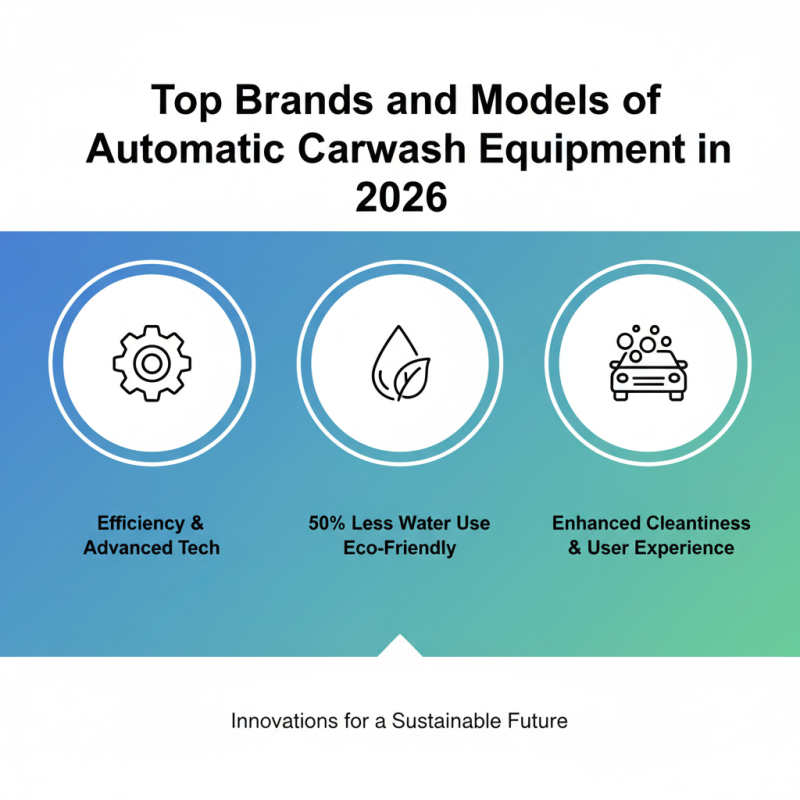
In 2026, the automatic carwash equipment industry continues to evolve, focusing on efficiency and sustainability. Modern models now feature advanced technology, enhancing both user experience and car cleanliness. Reports show that automated systems can reduce water usage by up to 50%, making them more eco-friendly. These innovations cater to the growing demand for sustainable practices among consumers.
Leading models emphasize speed and effectiveness. Equipment often utilizes touchless systems to minimize surface damage while delivering a thorough clean. Metrics indicate that cars washed with these methods maintain their paint better over time. However, not all systems are created equal. Some may have limitations in certain climates, like ice or extreme heat, and that's worth considering.
When choosing automatic carwash equipment, consider user reviews and maintenance costs. Look for systems with easy-to-access components to simplify upkeep. Pay attention to warranties, as they reflect the manufacturer's confidence. Some may ignore this in favor of initial price but can end up with higher long-term costs. Always ask about energy consumption; energy-efficient models may save money in the long run.
Maintenance and Care Tips for Automatic Carwash Systems
Maintaining automatic carwash systems is crucial for their longevity and effectiveness. Regular maintenance can prevent issues. A thorough inspection every month is essential. Look for worn-out brushes and hoses. Scratched metal parts can also affect performance. Always keep the cleaning solution levels adequate. An empty tank can lead to subpar washes.
Tips for care include checking the water supply frequently. Fluctuations in pressure can disrupt operations. Use a soft cloth to clean sensors and cameras. Dirty sensors may miss areas on vehicles. Inspect electrical connections for corrosion. This simple step can save you from major repair costs.
Consider scheduling professional maintenance annually. Technicians can identify problems that might go unnoticed. They offer insights that may not be clear to the owner. Additionally, keep a log of maintenance tasks. This can help you track recurring issues. It’s a proactive approach that can sometimes feel overwhelming, but it will pay off in the long run.
Cost Analysis: Budgeting for Automatic Carwash Equipment Purchase
When budgeting for automatic carwash equipment, it's essential to consider both initial costs and long-term expenses. The upfront investment can be considerable. The total cost often involves machinery, installation, and additional features like water recycling systems. These elements can improve efficiency but add to the overall expense.
Many buyers overlook maintenance costs. Regular upkeep is necessary for smooth operation. Parts wear out over time. Some issues may arise unexpectedly, leading to additional repairs. Setting aside a budget for these unexpected costs is wise. This ensures your equipment stays operational and avoids sudden financial strain.
It’s also vital to factor in operational costs. Water, electricity, and detergents contribute significantly to monthly expenses. These costs vary by location and service demand. Evaluating your target market helps in calculating realistic operation costs. Balancing quality and affordability can be a challenge. Doing thorough research is crucial. It can reveal areas where you might have overspent or underbudgeted in the past.
2026 Best Automatic Carwash Equipment Cost Analysis