2025 Trends: The Rise of Fully Automated Car Wash Systems You Need to Know
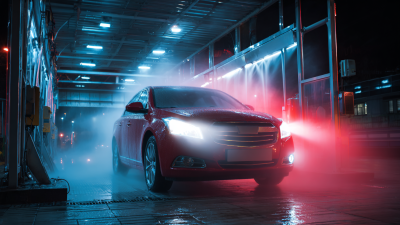
As we approach 2025, the automotive industry is witnessing a transformative shift with the emergence of Fully Automated Car Wash systems. Experts suggest that these high-tech wash solutions not only enhance efficiency but also ensure superior cleaning standards—factors critical to today's fast-paced lifestyle. John Smith, an industry veteran and leading expert on automated services, emphasizes, “The rise of Fully Automated Car Wash systems is reshaping consumer expectations and setting new benchmarks in convenience and cleanliness.”
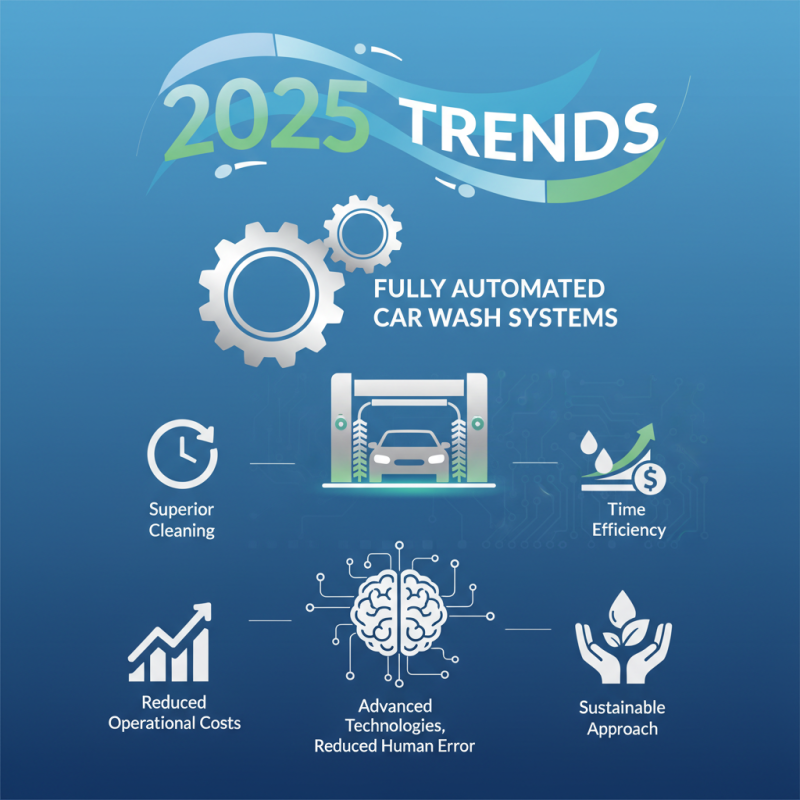
In a world where time is of the essence, the integration of advanced technologies into car wash services is becoming increasingly appealing. These systems offer streamlined operations, reducing human error and operational costs while providing a consistent and thorough wash experience. As urban landscapes evolve and the demand for quick, efficient services grows, Fully Automated Car Wash solutions are primed to capture a significant share of the market.
The future of car maintenance is undoubtedly leaning towards automation, with these systems promising not just convenience but also a sustainable approach to vehicle care. As we explore the trends influencing the industry, it becomes evident that Fully Automated Car Wash systems are not just a fleeting novelty but a necessary evolution in our approach to car care in the coming years.
The Evolution of Car Wash Technology Leading to Automation
The evolution of car wash technology has been a remarkable journey, transitioning from manual washing methods to sophisticated automated systems. According to a recent report by IBISWorld, the car wash industry is projected to reach $12 billion in revenue by 2025, largely driven by advancements in automation. Fully automated car wash systems use cutting-edge technologies such as sensors, high-pressure water jets, and environmentally friendly detergents to deliver an efficient and consistent wash. These systems not only improve the customer experience by minimizing wait times but also enhance operational efficiency, allowing businesses to serve more customers in less time.
A pivotal aspect of this transformation is the integration of smart technology into car wash systems. These automated systems are increasingly equipped with Internet of Things (IoT) capabilities, enabling real-time monitoring and maintenance. A study by MarketsandMarkets estimates that the global smart car wash market is expected to grow at a compound annual growth rate (CAGR) of 7.3% from 2020 to 2025. This growth is influenced by a rising demand for convenience and sustainable practices, as automated washes typically utilize less water compared to traditional methods. As technology continues to evolve, such systems are becoming more adaptable, allowing for customization based on specific vehicle types and customer preferences.
2025 Trends: The Rise of Fully Automated Car Wash Systems You Need to Know
| Year |
Automation Level |
Average Wash Time (minutes) |
Water Usage (liters) |
User Satisfaction Rate (%) |
| 2021 |
Semi-Automated |
10 |
50 |
80 |
| 2022 |
Fully Automated |
8 |
45 |
85 |
| 2023 |
Fully Automated |
7 |
40 |
88 |
| 2024 |
Advanced Automated |
5 |
35 |
90 |
| 2025 |
Fully Automated |
4 |
30 |
92 |
Key Features of Fully Automated Car Wash Systems
The evolution of fully automated car wash systems is reshaping the way we maintain vehicle cleanliness, introducing a new era of convenience and efficiency. One of the key features of these systems is their advanced sensor technology, which ensures a precise wash tailored to the specific contours and materials of each vehicle. These systems utilize high-resolution cameras and motion detectors to assess the car's size and delicate surfaces, allowing for a customized wash that minimizes the risk of damage while maximizing cleanliness.
Another significant aspect of fully automated car wash solutions is their integration with smart technologies, which enhances user experience. From mobile apps that allow users to schedule wash times and track their vehicle's cleaning status to payment systems that streamline the transaction process, these innovations are designed to cater to the modern, tech-savvy consumer. Additionally, features such as eco-friendly water recycling systems and biodegradable soaps are increasingly common, reflecting a growing awareness of environmental issues while delivering high-quality cleaning results.
Advantages of Fully Automated Car Wash Systems for Consumers and Businesses
The rise of fully automated car wash systems brings numerous advantages for both consumers and businesses in 2025. For consumers, the convenience of these systems cannot be overstated. They offer a quick and efficient way to keep vehicles clean without the need for manual intervention. Customers can simply drive in, select their preferred wash option, and relax while the system takes care of the rest. This ease of use saves time for busy individuals and ensures a consistent level of cleanliness for their cars.
From a business perspective, fully automated car wash systems can significantly reduce operating costs and improve efficiency. These systems require minimal staffing, allowing businesses to allocate resources to other areas, such as maintenance or customer service. Additionally, advanced technology and machinery used in automated washes often lead to more thorough cleaning processes compared to traditional hand washes. This not only enhances customer satisfaction but also increases the potential for repeat business, as customers appreciate the high-quality results and the swift service these systems provide.
Environmental Impact of Automated Car Wash Solutions
As the trend towards fully automated car wash systems gains momentum, it's essential to consider their environmental impact. These systems are designed to use water more efficiently than traditional car washes by recycling and treating water, significantly reducing wastage. Advanced technologies employed in these automated solutions enable them to utilize biodegradable soaps and detergents, which are not only effective in cleaning but also safer for the environment. The closed-loop water systems help minimize runoff and pollution, making automated car washes a more sustainable option for maintaining vehicle cleanliness.
Moreover, the growing adoption of electric and solar-powered car wash systems further enhances their eco-friendliness. By harnessing renewable energy sources, these automated stations can operate with a lower carbon footprint compared to conventional car washes. This shift not only contributes to reduced greenhouse gas emissions but also promotes the use of innovative technologies in everyday services. As awareness of environmental issues rises, these automated systems stand out as a responsible choice for consumers looking to balance convenience with ecological preservation.
Future Innovations in the Automated Car Wash Industry by 2025
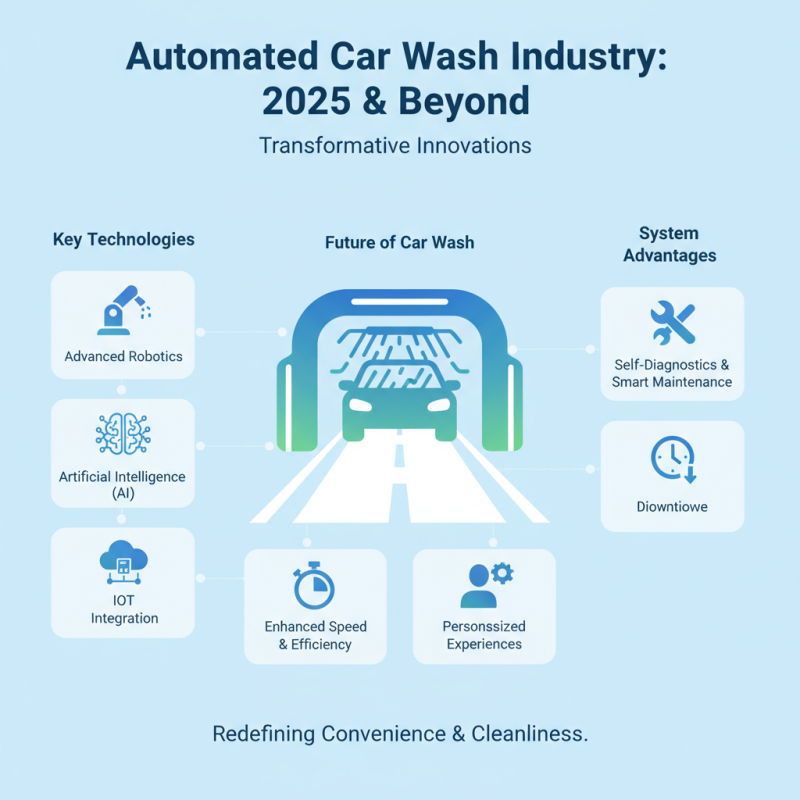
As we look toward 2025, the automated car wash industry is poised for transformative innovations that will redefine convenience and efficiency for car owners. Emerging technologies such as advanced robotics, artificial intelligence, and IoT (Internet of Things) integration are leading this revolution. Fully automated car wash systems will not only enhance the speed of service, but they will also provide personalized washing experiences based on vehicle type and specific customer preferences. The future of these systems will include self-diagnostics and smart maintenance features that ensure optimal performance while minimizing downtime.
Tips for utilizing fully automated car wash systems include scheduling visits during off-peak hours to avoid long waits, and taking advantage of any loyalty programs or subscription services offered. It's also wise to ensure that any delicate accessories on your vehicle are removed before entering, as automated systems are designed to accommodate a variety of vehicles, but certain features may not be compatible with all aftermarket installations. Additionally, keeping your vehicle's surfaces clean prior to a wash can improve the overall effectiveness of the automated system.
As the technology continues to evolve, we can expect innovations such as eco-friendly washing solutions and advanced drying techniques that significantly reduce water and energy consumption. Upgrading to these state-of-the-art automated systems can result in a more sustainable approach to vehicle care while delivering a superior wash experience. Embracing these trends will not only save you time but also contribute to a cleaner environment.